
 Language
  English
 Español
Where Is Anti-Static PTFE High-Temperature Fabric Actually Used?
News-What Makes This Fabric Both Anti-Static and Heat Resistant
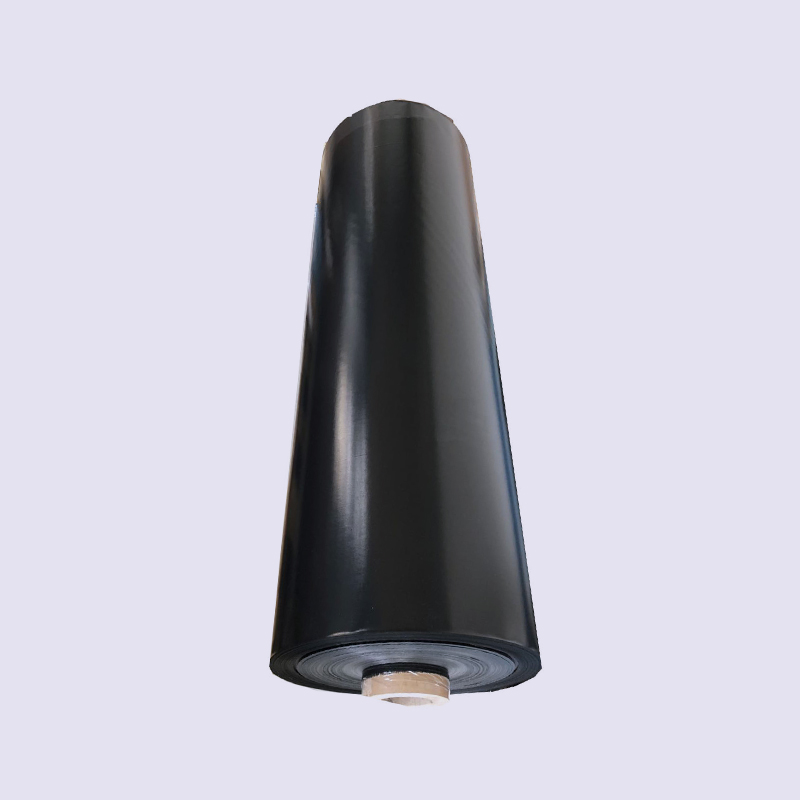
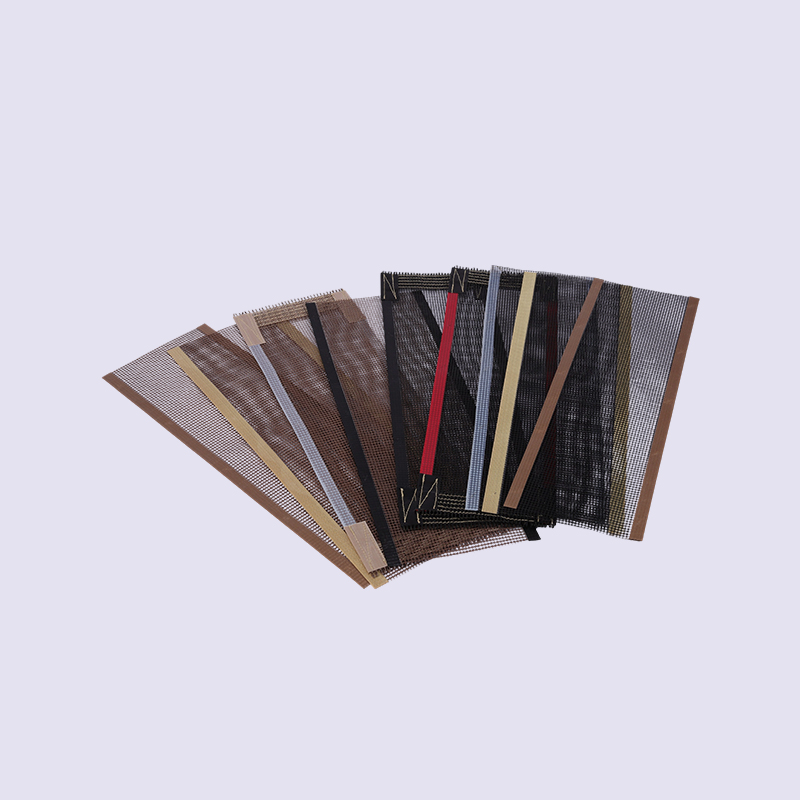
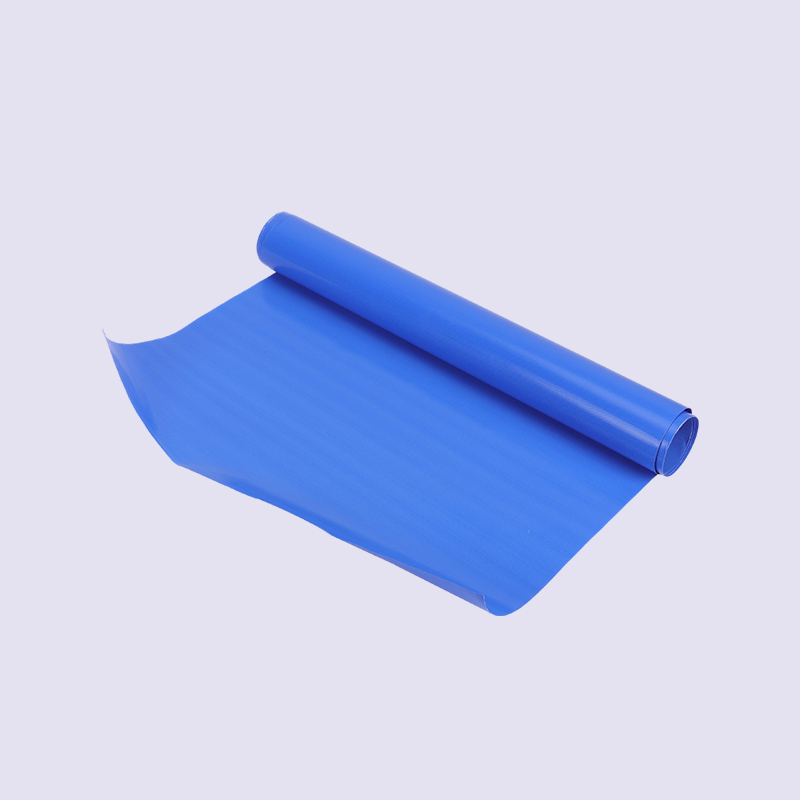
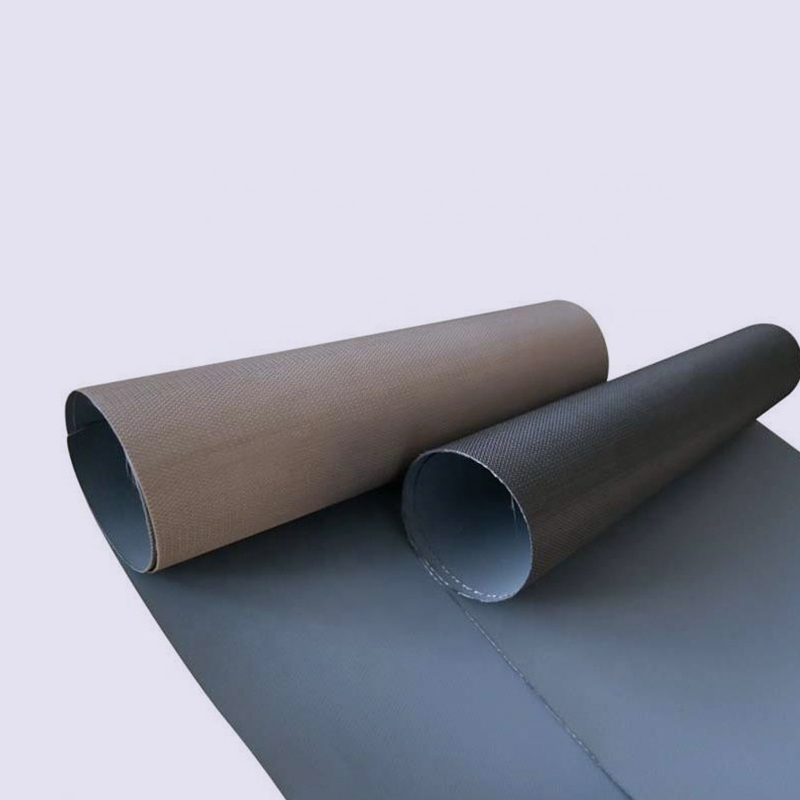
Anti-static PTFE high-temperature fabric is a woven glass fiber or aramid base coated with polytetrafluoroethylene resin, then embedded with conductive carbon fiber or stainless steel filaments running through the weave at fixed intervals. The PTFE coating gives the fabric its signature heat resistance, typically holding up between minus 70°C and 260°C without melting, sticking, or releasing fumes, while its naturally low surface friction keeps materials from adhering during processing. The conductive thread grid is what sets this fabric apart from standard PTFE textiles: it dissipates static charge safely to ground instead of letting it build up on the surface, which matters anywhere fine powders, flammable vapors, or sensitive electronics are present. This combination of properties explains why the fabric shows up across such a wide range of industries rather than staying confined to one niche.
Electronics and Semiconductor Manufacturing
Cleanroom environments used for chip fabrication and circuit board assembly cannot tolerate static discharge near sensitive components, since even a small spark can destroy a microchip instantly. Anti-static PTFE fabric is used to line workstation surfaces, conveyor belts, and curtain partitions within these facilities. Because the material also withstands the heat generated during soldering, reflow ovens, and laminating presses, it serves double duty as both a static-safe barrier and a thermal shield in the same production line.
Powder Coating and Paint Spray Booths
Spray booths handle airborne powder particles and solvent vapors that can ignite from a single static spark, making grounding a safety requirement rather than an option. Anti-static PTFE fabric is commonly used for booth curtains, filter media, and conveyor belt covers in powder coating lines. Its non-stick surface also reduces paint buildup, which cuts down on cleaning time and keeps the booth running closer to its intended airflow specifications.
Chemical Processing and Filtration
Bag Filters and Dust Collection
In chemical plants where fine dry powders move through pipework and collection systems, friction between particles and the duct walls generates static charge constantly. Anti-static PTFE fabric formed into filter bags lets plants safely capture combustible dust such as flour, metal powder, or pharmaceutical compounds without the risk of a dust explosion. The PTFE layer also resists acid and solvent exposure, so the same filter bag can be used across a range of chemical processes without degrading.
Conveyor and Belt Applications
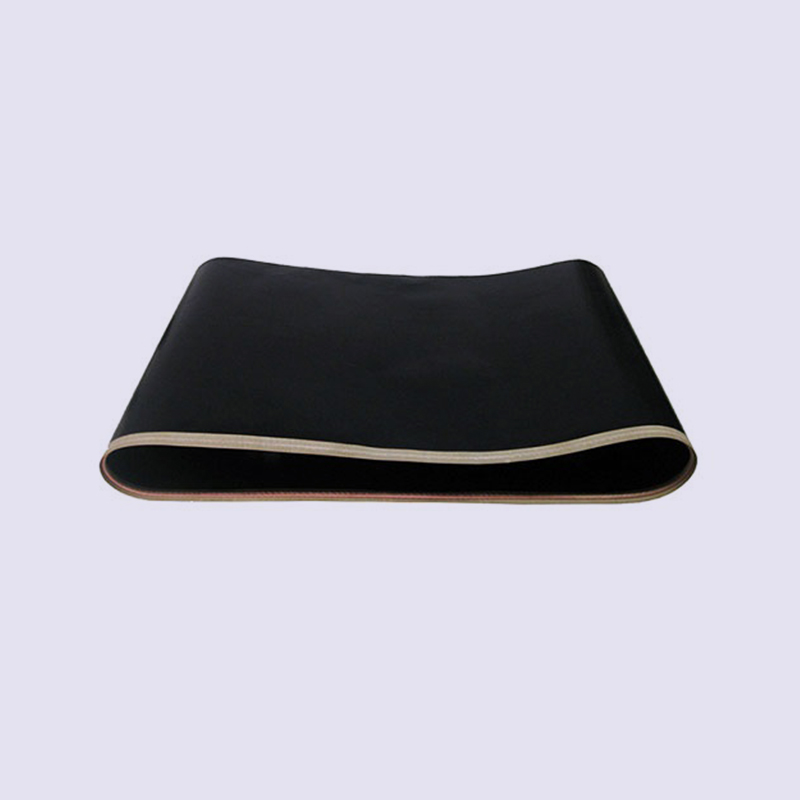
Beyond filtration, this fabric is used as a conveyor belt surface for transporting reactive or heat-sensitive chemical materials between processing stages, where both static buildup and thermal exposure would otherwise damage standard rubber or PVC belting.
Food Processing and Packaging Lines
Bakeries, snack food lines, and packaging facilities use anti-static PTFE fabric on conveyor belts that pass through ovens, freezers, and sealing stations. The non-stick coating prevents dough, batter, or sticky fillings from clinging to the belt surface, while the anti-static thread keeps fine ingredients like flour or sugar from clumping due to charge buildup during high-speed packaging. Because the fabric meets food-contact safety standards in its FDA-compliant grades, it can be used directly against products without contamination concerns.
Pharmaceutical Manufacturing
Tablet coating drums, drying ovens, and powder handling equipment in pharmaceutical plants rely on anti-static PTFE fabric for the same reasons as chemical processing: fine active ingredients are highly prone to static charge and can be combustible in concentrated form. The fabric's chemical inertness also means it will not react with or contaminate active pharmaceutical ingredients, which is a strict requirement in this sector. Many facilities specify this fabric for cleanroom partitions and tray liners where both sterility and static control are needed simultaneously.
Textile and Nonwoven Production
Heat sealing, laminating, and bonding processes used in nonwoven fabric production, including the manufacture of medical gowns, filters, and hygiene products, generate both heat and friction-based static at the same time. Anti-static PTFE fabric is used as a release sheet or conveyor surface in these machines, allowing synthetic fibers to pass through hot rollers without sticking while preventing static cling that would otherwise misalign the material during high-speed runs.
Aerospace and Industrial Insulation
Aerospace manufacturing uses anti-static PTFE fabric for thermal insulation blankets, wire harness wrapping, and composite curing processes, where both fire resistance and static dissipation are safety-critical near fuel systems and avionics. In broader industrial settings, the same fabric insulates pipework, furnace linings, and welding curtains, protecting workers from radiant heat while keeping any nearby flammable atmosphere free from static ignition risk.
Matching Fabric Specifications to Each Field
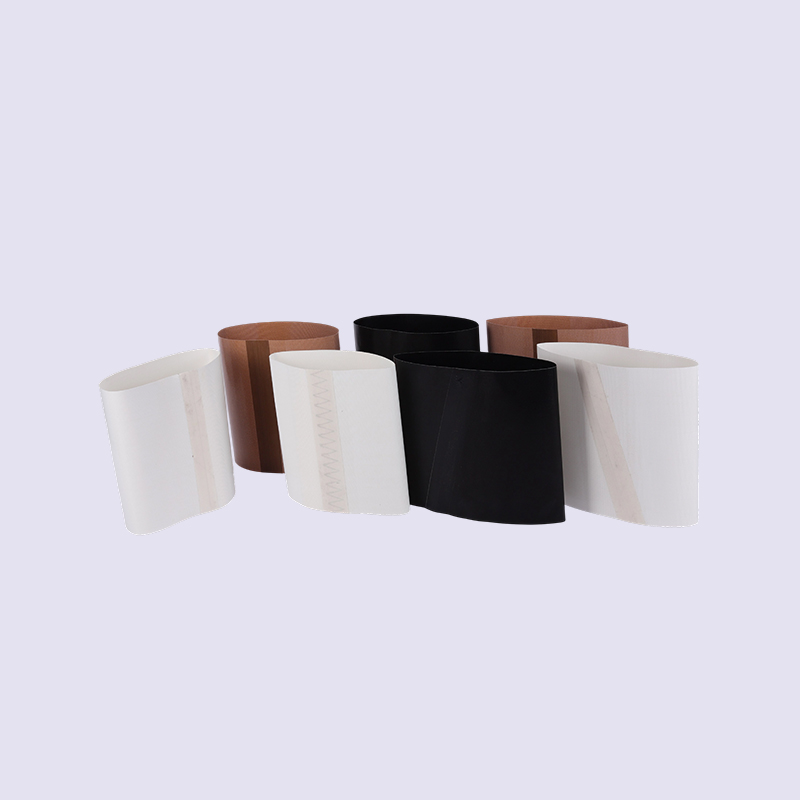
Not every application needs the same grade of anti-static PTFE fabric. Thickness, conductive thread spacing, and temperature rating should be matched to the specific demands of the environment, as summarized below.
| Field | Priority Property | Typical Fabric Form |
| Electronics manufacturing | Static dissipation | Sheeting, curtains |
| Powder coating booths | Non-stick surface | Belts, booth curtains |
| Chemical filtration | Chemical resistance | Filter bags |
| Food processing | Food-contact safety | Conveyor belts |
| Pharmaceutical plants | Chemical inertness | Tray liners, drums |
| Nonwoven production | Release performance | Release sheets, belts |
| Aerospace and insulation | High heat tolerance | Blankets, wraps |
Buyers should also confirm the fabric's surface resistivity rating, usually expressed in ohms per square, since different industries set their own thresholds for acceptable static dissipation. Requesting test data alongside a physical sample is the most reliable way to confirm a fabric will perform correctly before it is installed on production equipment.


Copyright © Jiangsu Bocheng New Tech Materials Co., Ltd. All Rights Reserved. Silicone PTFE Composite Material Solutions
