
 Language
  English
 Español
Why Is PTFE Anti-Static Fabric the Material of Choice for High-Performance UPVC Window Manufacturing?
News-What Is PTFE Anti-Static Fabric and Why Does It Exist?
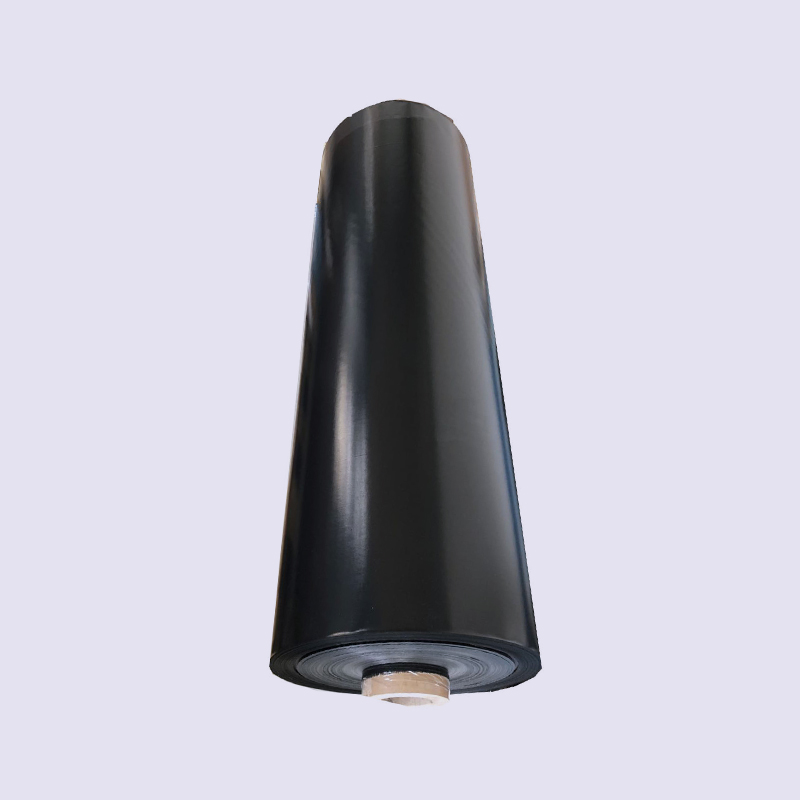
PTFE anti-static fabric is a technical textile produced by coating or impregnating a woven fiberglass substrate with polytetrafluoroethylene (PTFE) and integrating conductive carbon fibers or metallic threads into the weave structure to dissipate electrostatic charge. The result is a composite material that combines PTFE's legendary chemical inertness, thermal stability, and non-stick surface with the ability to safely ground and neutralize static electricity that accumulates during high-speed industrial processing operations.
Static electricity is an underappreciated hazard and quality problem in many manufacturing environments, including UPVC window profile production. As PVC profiles pass over conveyor surfaces, welding pads, and protective covers at speed, friction generates electrostatic charge that attracts dust and particulate contamination, causes surface marking on the finished profile, disrupts sensor operation, and in environments where cleaning solvents are used, creates ignition risk. PTFE anti-static fabric addresses this problem at the material level rather than through add-on grounding devices, making it an integrated and reliable solution for production line operators.
The UPVC Processing Environment and Why Standard Materials Fail
UPVC (unplasticized polyvinyl chloride) window manufacturing involves a sequence of thermally and mechanically demanding processes: extrusion of profiles at temperatures up to 200°C, cutting, drilling, milling, corner welding using heated plates that reach 230–260°C, and mechanical assembly. Throughout these stages, the production equipment — particularly conveyor systems, welding machine platen covers, and profile support surfaces — is subjected to continuous heat exposure, abrasion from rigid PVC profiles, and the chemical environment of PVC processing including residual stabilizers and lubricants.
Standard materials used in industrial conveyor and protective covering applications — PTFE-free fabrics, rubber belting, silicone sheets, or plain fiberglass cloth — degrade rapidly in this environment. Rubber and silicone lose dimensional stability at sustained temperatures above 150°C. Untreated fiberglass weaves abrade the PVC profile surface and absorb lubricant residues that cause sticking and profile marking. Plain PTFE fabric without anti-static treatment generates and retains static charge, particularly as profile throughput and line speed increase. None of these materials delivers the combination of properties that a UPVC welding and conveying application demands simultaneously.
Key Technical Properties of PTFE Anti-Static Fabric
The material performance of PTFE anti-static fabric is defined by a set of properties that collectively make it uniquely suited to UPVC window production environments. Understanding each property in the context of the application helps production engineers and procurement specialists justify the material specification and predict service life accurately.
Thermal Resistance
PTFE is stable across a continuous operating temperature range of -70°C to +260°C, with short-term peak exposure tolerance up to 300°C in some formulations. In the context of UPVC corner welding, where heated plates press against profile ends at 240–260°C for several seconds per cycle across thousands of daily production cycles, this thermal stability is non-negotiable. The PTFE coating prevents the fabric from degrading, deforming, or transferring material onto the weld face — a critical requirement since any contamination of the weld zone compromises joint strength and appearance.
Anti-Static Dissipation
The anti-static component of the fabric — typically carbon-loaded PTFE or interwoven conductive metallic threads — provides a surface resistivity in the range of 10⁶ to 10⁹ ohms per square, placing it in the static dissipative category as defined by IEC 61340. This range is specifically designed to drain electrostatic charge slowly and safely without creating a conductive path that could interfere with electronic control systems or create a shock hazard for operators. Effective charge dissipation at this resistivity level prevents dust attraction, profile surface marking, and the static-related jamming of profile sensors that can disrupt automated line synchronization.
Dimensional Stability and Low Elongation
The woven fiberglass core of PTFE anti-static fabric provides extremely low thermal elongation — typically less than 0.5% across the full operating temperature range. This dimensional stability is essential for conveyor belt applications, where any stretch or elongation under tension causes tracking problems, edge wander, and uneven profile support that leads to surface marking or dimensional inaccuracy in the finished window frame. Standard polymer-based belting materials can elongate by 2–5% under thermal and tensile load, creating ongoing tension adjustment requirements that PTFE fiberglass belting eliminates.
Non-Stick Release Surface
PTFE's coefficient of friction against PVC is among the lowest of any industrial material — typically 0.04 to 0.10 depending on surface finish and contact pressure. For welding platen covers, this means molten PVC at the weld face does not adhere to the fabric surface, producing clean weld joints without the tearing or surface deformation that occurs when PVC sticks to an inadequately coated platen. For conveyor applications, the low-friction surface allows smooth profile transport without surface scratching, while still maintaining enough contact to convey profiles reliably without slippage.
Primary Applications in UPVC Window Manufacturing Lines
PTFE anti-static fabric serves three distinct functional roles within a typical UPVC window production line, each exploiting a different combination of its technical properties.
Welding Machine Platen Covers
Corner welding machines use heated steel platens to melt and fuse the ends of UPVC profiles to form window frame corners. PTFE anti-static fabric is applied as a replaceable cover over these heated platens, providing the non-stick surface that prevents molten PVC adhesion and the thermal barrier that controls heat transfer to the profile face during the welding cycle. The anti-static property prevents residual static charge from accumulating on the fabric surface between cycles, which would otherwise attract PVC dust and particulate from the cutting and milling stations into the weld zone, causing contamination-related joint defects. A properly specified platen cover typically lasts 3 to 6 months under two-shift production before surface wear requires replacement — significantly longer than silicone or PTFE-free alternatives.
Conveyor Belt Material
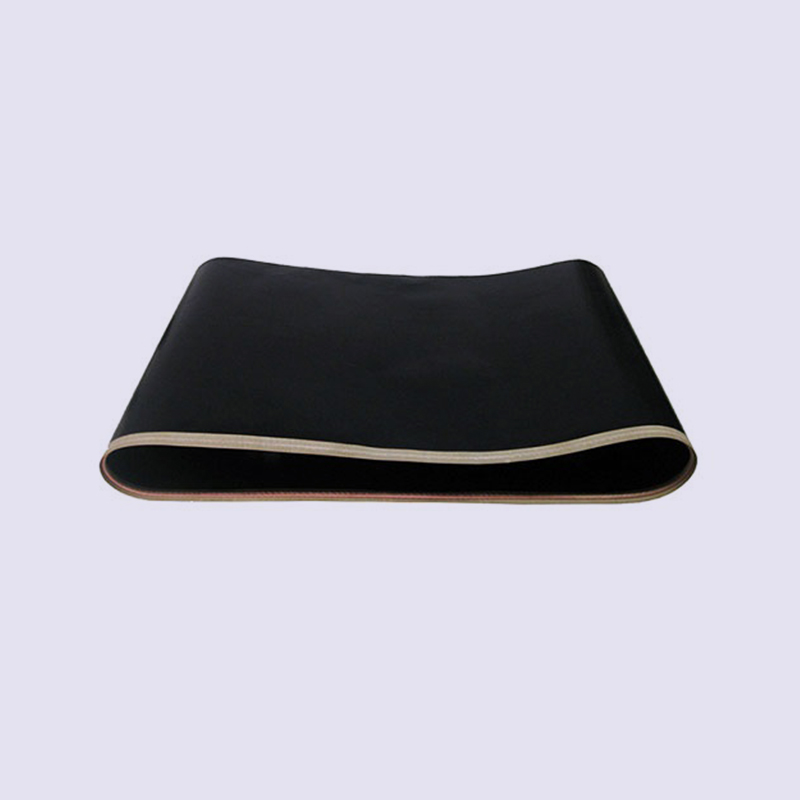
Conveyor systems transport UPVC profiles between processing stations throughout the manufacturing line. PTFE anti-static fabric in belt form provides a smooth, dimensionally stable, and statically controlled transport surface that protects the profile's finished exterior face from scratching and contamination. In sections of the line adjacent to hot-cutting or welding operations, the thermal resistance of the fabric prevents the belt from degrading under radiant heat exposure. Anti-static control on the conveyor surface is particularly important in the section between the cutting station and the welding machine, where PVC swarf and dust generated by saw cutting tends to be attracted by statically charged surfaces and deposited onto profile edges before welding.
Protective Equipment Coverings
Profile support tables, guide rails, clamp jaws, and pressing fixtures throughout the UPVC line benefit from PTFE anti-static fabric as a surface covering that protects the finished profile from metal-on-PVC contact marking and corrosion staining. Self-adhesive backed variants of the fabric allow rapid application to irregular or complex fixture surfaces without mechanical fasteners, and can be replaced in minutes during scheduled maintenance stops without specialized tools or adhesive application equipment.
Standard Specifications and Selection Parameters
Selecting the correct specification of PTFE anti-static fabric for a given application requires matching several key parameters to the operating conditions of the specific line position.
| Parameter | Typical Range | Key Consideration |
| Fabric Thickness | 0.13 mm – 1.5 mm | Thicker for abrasion resistance; thinner for heat transfer control |
| PTFE Coating Weight | 100 – 1,000 g/m² | Higher coating weight improves release and extends service life |
| Surface Resistivity | 10⁶ – 10⁹ Ω/sq | Must be static dissipative, not fully conductive |
| Continuous Temperature Rating | Up to 260°C | Must match or exceed peak platen operating temperature |
| Tensile Strength | 500 – 3,500 N/5 cm | Higher tensile required for belt applications under tension |
| Backing Type | Plain / Self-Adhesive / Clip-on | Self-adhesive for coverings; plain or joined for belt loops |
| Width Availability | Up to 2,000 mm | Match to conveyor or platen width with minimal joining |
Installation Options: Plain, Self-Adhesive, and Belt-Joined Formats
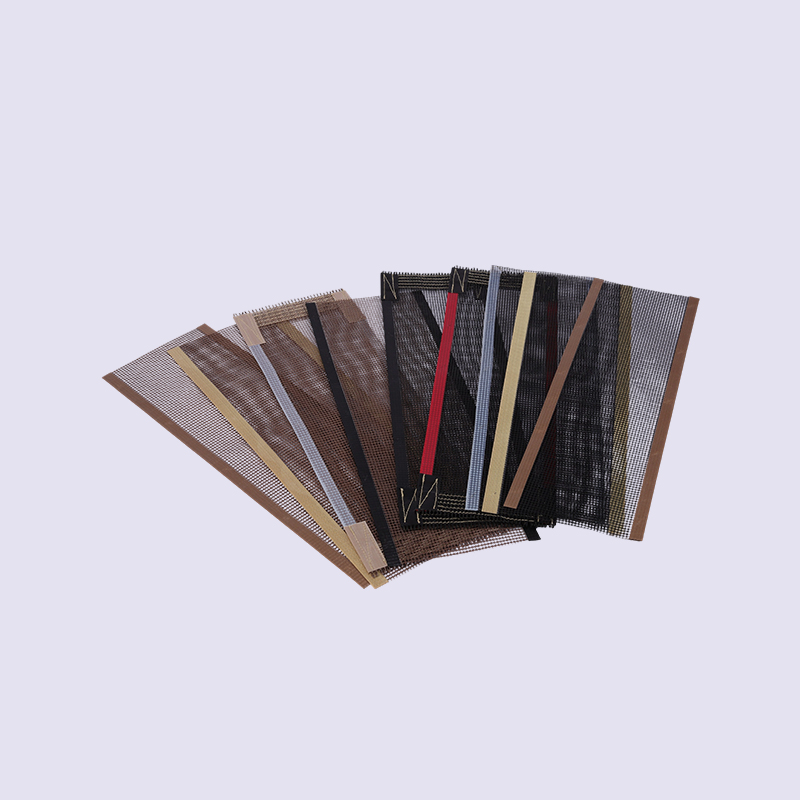
One of the practical advantages of PTFE anti-static fabric over more rigid alternatives is its availability in multiple installation formats that suit different line positions and maintenance strategies. Plain fabric supplied in sheet or roll form is used for welding platen covers that are mechanically clamped or wrapped around the platen and secured with high-temperature clips or fasteners. This format allows rapid exchange during production stops and is the most economical option for high-wear positions that require frequent replacement.
Self-adhesive PTFE anti-static fabric uses a high-temperature silicone adhesive backing that bonds directly to metal fixture surfaces, guide rails, clamp faces, and press platens without additional fastening hardware. The adhesive withstands the operating temperatures of UPVC processing environments without delaminating, creeping, or releasing adhesive residue onto the profile surface. Self-adhesive variants are particularly valuable for retrofitting existing equipment or covering complex geometries where mechanical fastening is impractical. Installation requires only surface cleaning, peel-and-press application, and a short press-in period — a task that can be completed in minutes by line maintenance staff without specialist tools.
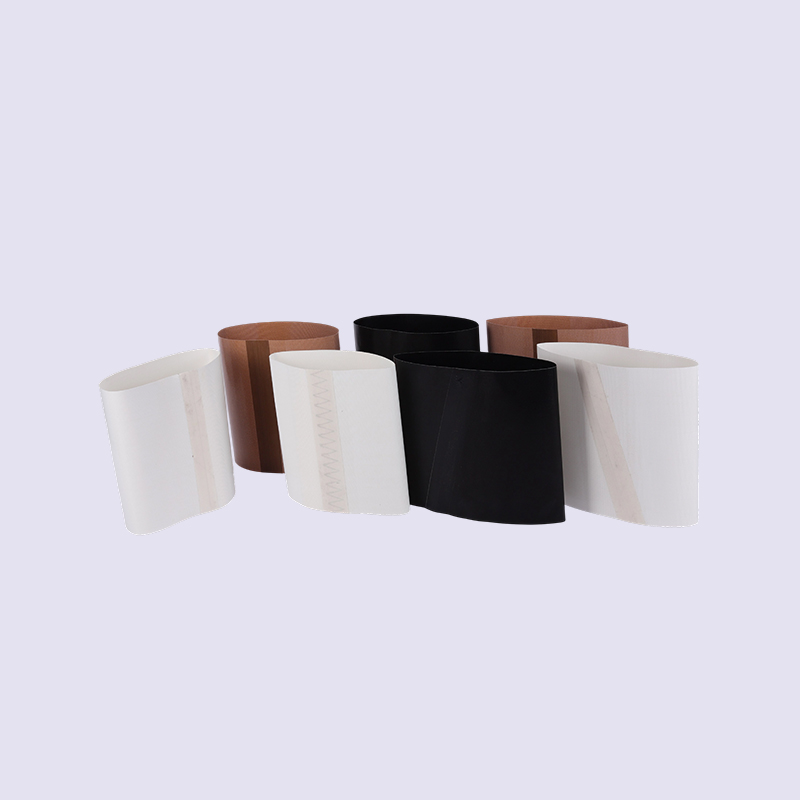
Belt-format PTFE anti-static fabric is supplied as a continuous loop joined by a high-strength PTFE-compatible splice or mechanical clip system, ready for installation on a conveyor frame. Joining systems that maintain the belt's dimensional stability and surface continuity across the splice point are essential for applications where the join passes over profile contact zones — an improperly made splice creates a periodic surface discontinuity that marks the profile at every rotation. Pre-joined belt loops ordered to specific dimensions from the fabric supplier eliminate this risk and reduce on-site installation time to frame fitting and tension adjustment only.
Maintenance, Inspection, and Total Cost of Ownership
PTFE anti-static fabric requires minimal maintenance during its service life, which is one of its strongest economic arguments. The non-stick PTFE surface self-cleans during operation as profile contact wipes the surface clear of any residue. Periodic inspection should focus on the following indicators that signal approaching end-of-life:
- Surface delamination or bubbling: Indicates that the PTFE coating has separated from the fiberglass substrate, usually as a result of peak temperature exceedance or mechanical impact. Delaminated areas lose release performance and can transfer coating fragments onto the profile surface.
- Brown or yellow discoloration: Light discoloration is normal and does not affect performance. Dark brown or black discoloration accompanied by brittleness indicates thermal degradation and requires immediate replacement to prevent coating fragment contamination of the weld zone.
- Surface roughening or fiber exposure: Abrasive wear through the PTFE coating down to the fiberglass substrate eliminates the non-stick and anti-static function and allows the abrasive fiberglass weave to contact and scratch the profile surface.
- Increased PVC adhesion to weld platens: The most practical field indicator that platen cover performance has degraded. If weld face adhesion or profile marking increases without a change in welding parameters, platen cover replacement should be the first corrective action.
- Measurable increase in surface resistivity: Anti-static performance can be verified with a surface resistance meter. Readings above 10¹⁰ ohms per square indicate that the conductive network in the fabric has been degraded, typically by wear or chemical contamination, and static dissipation is no longer reliable.
When evaluating total cost of ownership, the extended service life of PTFE anti-static fabric — typically three to six times longer than standard alternatives under equivalent operating conditions — consistently offsets its higher unit purchase price. Reduced profile rejection rates from static contamination, elimination of surface marking from degraded conveyor materials, and the labor saving from less frequent replacement all contribute to a measurable return that production managers can calculate from their own rejection and downtime data. For any UPVC window manufacturer operating at scale, PTFE anti-static fabric is the technically and economically justified specification at every line position where heat, friction, and static charge converge.
PREV: Where Is Anti-Static PTFE High-Temperature Fabric Actually Used? It is the last article


Copyright © Jiangsu Bocheng New Tech Materials Co., Ltd. All Rights Reserved. Silicone PTFE Composite Material Solutions
