 Language
  English
 Español
Why Is a PTFE 2-Ply Belt the Better Choice for High-Temperature Conveying and Processing Applications?
In industrial environments where heat, chemical exposure, and non-stick performance are simultaneous requirements, the belt material used on a conveyor or press system makes a critical operational difference. PTFE 2-ply belts have become a widely specified solution across food processing, packaging, textile finishing, and industrial laminating because they combine the inherent properties of polytetrafluoroethylene with the mechanical reinforcement of a dual-layer construction. Understanding what a 2-ply structure actually delivers — and where it outperforms single-ply alternatives — helps engineers, maintenance managers, and procurement teams specify the right belt for the right application.
What "2-Ply" Means in PTFE Belt Construction
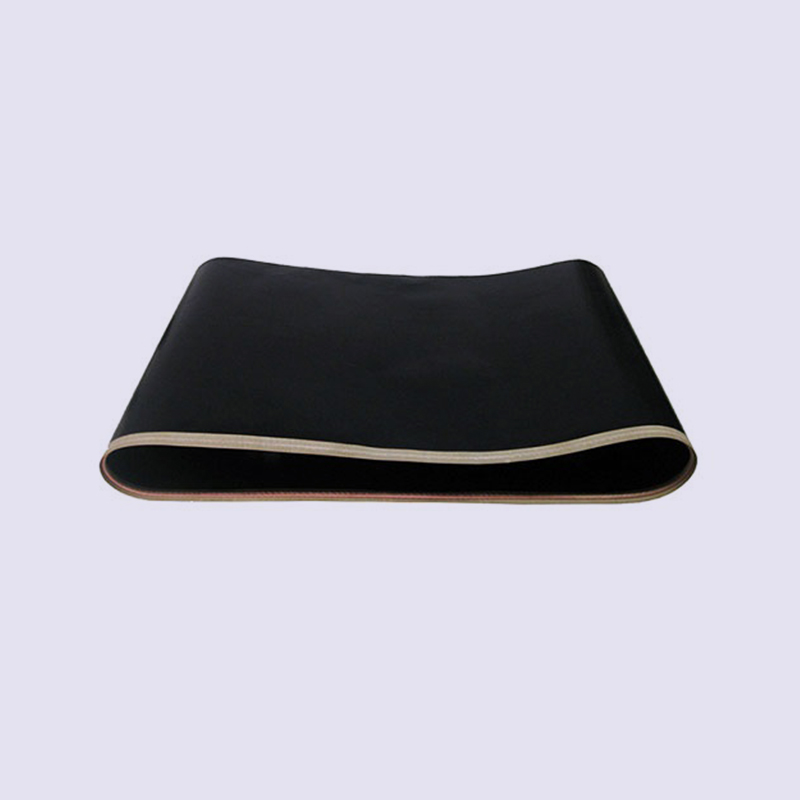
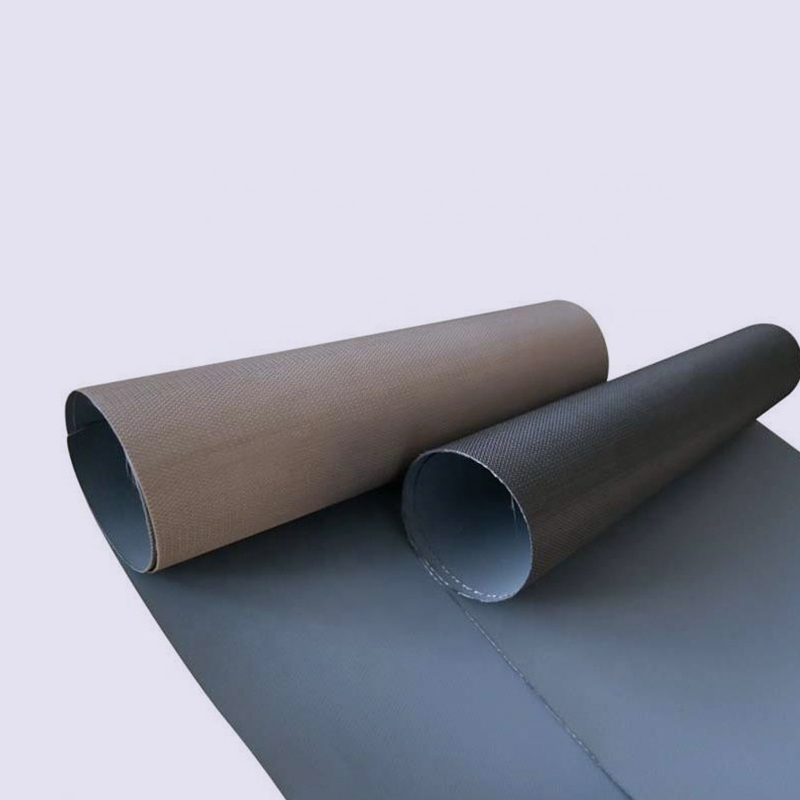
A PTFE belt is constructed by coating or laminating a woven fabric substrate with PTFE resin and then sintering it to bond the coating permanently to the fibers. In a single-ply belt, there is one layer of woven substrate with PTFE applied to one or both surfaces. A 2-ply belt adds a second fabric layer, bonded to the first with an additional PTFE interface between them, creating a composite structure with greater thickness, dimensional stability, and mechanical strength than a single layer alone can provide.
The substrate itself is almost always woven fiberglass, which provides the tensile framework that allows the belt to transmit mechanical load without stretching or distorting under tension. PTFE resin is applied through multiple immersion and sintering cycles to impregnate the fiberglass weave fully and build up the coating thickness. In a 2-ply configuration, the two fabric layers are oriented so their weave directions complement each other, reducing the risk of directional weakness and improving resistance to tearing from edge damage or puncture.

Mechanical and Thermal Properties of PTFE 2-Ply Belts
The performance envelope of a PTFE 2-ply belt is defined by the interaction between the PTFE coating and the fiberglass reinforcement. Each material contributes distinct properties that together make the belt suitable for demanding continuous-duty applications.
Temperature Range and Thermal Stability
PTFE is stable across an exceptionally wide temperature range, from approximately -70°C to +260°C in continuous service, with short excursion peaks tolerated up to around 280°C before material degradation begins. This range covers the operating conditions of most industrial ovens, heat sealers, drying tunnels, and laminating presses without requiring belt changeovers as process temperatures vary. The fiberglass substrate reinforces this thermal stability — fiberglass retains its tensile properties up to approximately 300°C, ensuring the belt does not elongate or deform structurally at elevated operating temperatures even under load.
Tensile Strength and Load Capacity
The dual-layer construction of a 2-ply belt roughly doubles the cross-sectional fiber content compared to a single-ply equivalent of the same width, significantly increasing the belt's tensile breaking strength and working load capacity. This matters in wide-belt conveyor applications where the belt must support distributed product weight over a long unsupported span, and in press applications where the belt is subject to repeated compressive and tensile cycling. A 2-ply construction also provides better resistance to edge fraying and lateral tearing initiated by guide rail contact or misalignment events — failure modes that can quickly propagate through a single-ply belt but are arrested by the second reinforcement layer.
Comparing PTFE Belt Ply Configurations
Choosing between single-ply, 2-ply, and heavier constructions depends on the specific mechanical demands, operating environment, and required service life of the application. The table below provides a direct comparison:
| Property | Single-Ply PTFE | 2-Ply PTFE | 3-Ply PTFE |
| Typical Thickness | 0.13mm – 0.25mm | 0.30mm – 0.50mm | 0.55mm – 0.80mm |
| Tensile Strength | Moderate | High | Very High |
| Flexibility | High | Medium | Lower |
| Tear Resistance | Low–Moderate | Good | Excellent |
| Minimum Pulley Diameter | 25mm | 40mm – 60mm | 80mm+ |
| Best Fit | Light duty, tight radius | Medium–heavy duty | Heavy press, wide belt |
The 2-ply configuration occupies a practical middle ground that suits the majority of industrial conveyor and flat-press applications. It provides substantially more durability than single-ply without the reduced flexibility and increased minimum bend radius that a 3-ply belt introduces. For systems with pulley diameters above 50mm and operating temperatures between 150°C and 260°C, a PTFE 2-ply belt is frequently the most cost-effective and operationally reliable specification.
Primary Industries and Applications Using PTFE 2-Ply Belts
PTFE 2-ply belts are deployed across a broad range of industries where their specific combination of properties — non-stick surface, high temperature tolerance, chemical inertness, and mechanical durability — addresses challenges that other belt materials cannot solve reliably.
Food Processing and Baking
In continuous tunnel ovens and conveyor baking systems, PTFE 2-ply belts carry product through heating zones at temperatures that would degrade rubber, silicone, or standard polymer belts within hours. The non-stick surface prevents baked goods, confectionery coatings, and snack products from adhering to the belt surface, eliminating the release agents or parchment liners that older conveyor designs required. PTFE is also FDA-compliant and NSF-certified for food contact applications, making it suitable for direct product contact without additional regulatory complications.
Packaging and Heat Sealing
Continuous band sealers and impulse sealing machines use PTFE belt pads or continuous belts to press packaging film against heated sealing bars. The PTFE surface prevents the thermoplastic film from sticking to the sealing element, ensures even heat distribution across the seal area, and withstands the rapid thermal cycling that sealing machines perform thousands of times per shift. In these applications, the 2-ply construction provides the thickness and rigidity needed to maintain consistent contact pressure across the full seal width without the belt deforming or creasing under repeated compression.
Textile and Nonwoven Processing
Stenter frames, calendering machines, and thermobonding lines in textile and nonwoven manufacturing use PTFE belts to transport fabric through heat treatment zones where adhesives, resins, or fiber binders are cured. The chemical resistance of PTFE protects the belt from adhesive contamination, and the smooth surface releases finished fabric cleanly without marking or staining. The mechanical robustness of the 2-ply construction handles the tension cycling of wide fabric transport systems, where belt widths of 2 to 4 meters place significant tensile load on the belt structure during operation.
Specifying and Ordering PTFE 2-Ply Belts: Key Parameters
When sourcing a PTFE 2-ply belt for a specific machine or process, providing accurate dimensional and performance data to the supplier prevents sizing errors and compatibility issues. The parameters below are the minimum required for a complete specification:
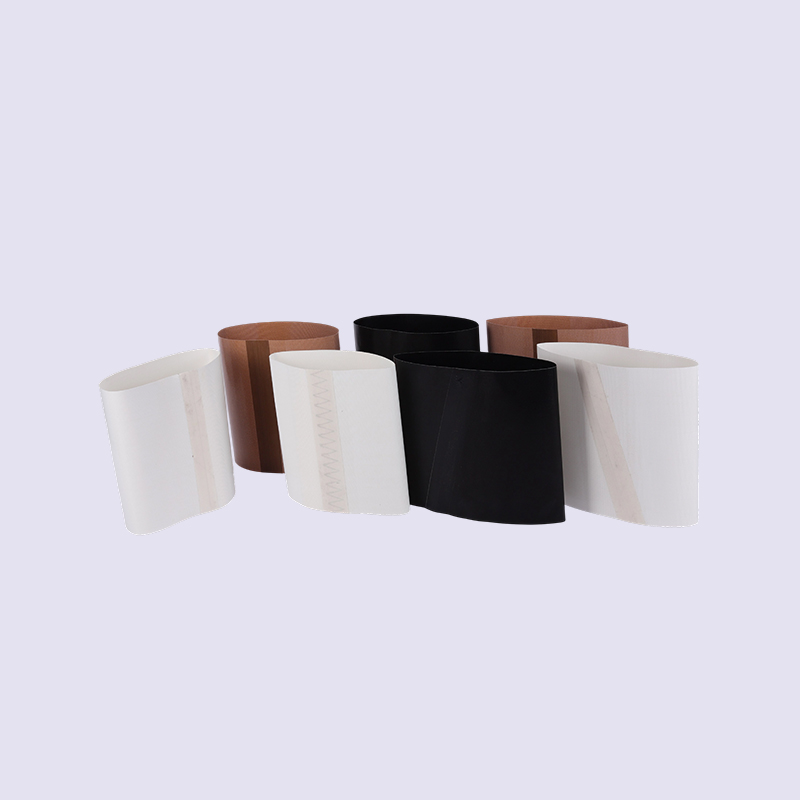
- Belt width and endless length: Measure width across the conveyor and the total loop circumference, accounting for tensioner travel range. Most suppliers fabricate belts to custom dimensions using finger-splice or Clipper-type joining methods.
- Operating temperature: Specify the continuous operating temperature and any short-term peak temperature. This determines whether standard PTFE coating is sufficient or whether an enhanced-grade formulation is required.
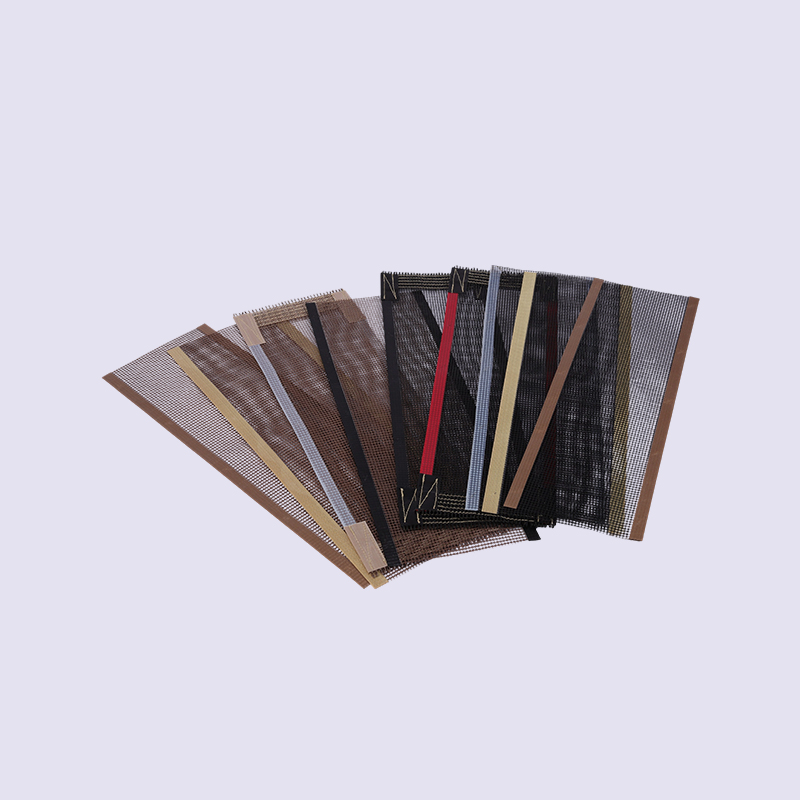
- Surface finish requirement: PTFE belts are available in smooth, mesh (open weave), and embossed surface profiles. Mesh belts allow airflow through the belt for drying applications; smooth belts are used where a continuous contact surface is required.
- Join type: Endless (seamless loop) construction provides the smoothest running but requires access to remove and install the belt. Clipper-joined or finger-spliced belts can be installed without dismantling the machine frame but introduce a slight join discontinuity that may affect surface-sensitive applications.
- Chemical environment: If the belt is exposed to acids, alkalis, or solvents, confirm that the specific chemicals present are compatible with the PTFE grade and the fiberglass substrate, as some aggressive media can attack the silane coupling agent used to bond the PTFE to the glass fibers.
Maintenance Practices That Extend PTFE 2-Ply Belt Service Life
PTFE 2-ply belts are long-service components when operated and maintained correctly, but several avoidable practices significantly reduce their working life. Belt misalignment is the most common cause of premature failure — a belt running off-center contacts guide rails or frame edges, which abrades the belt edge and initiates delamination between the two plies. Regular tracking adjustments and periodic inspection of edge condition catch alignment problems before they progress to structural damage.
Cleaning should be performed using soft brushes, lint-free cloths, or gentle water washing. Abrasive cleaning pads, wire brushes, and sharp scrapers damage the PTFE surface layer and expose the underlying fiberglass to contamination and moisture ingress. For product residue that has baked onto the belt surface, soaking in warm water or dilute detergent solution loosens adhesion without mechanical abrasion. Avoiding sharp objects near the belt surface — including metal product edges, fasteners, or tooling — prevents puncture damage that is difficult to repair cleanly in a 2-ply construction once the inner ply is breached.