
 Language
  English
 Español
What Should You Know Before Selecting PTFE Adhesive Tape for Your Application?
News-What Is PTFE Adhesive Tape and Why Is It Widely Used?
PTFE adhesive tape is a pressure-sensitive tape constructed from a polytetrafluoroethylene (PTFE) film or woven glass fabric coated with PTFE, combined with a silicone or acrylic adhesive backing that allows it to bond to surfaces without mechanical fasteners or liquid adhesives. PTFE — better known under DuPont's tradename Teflon — is a synthetic fluoropolymer of tetrafluoroethylene that possesses one of the lowest coefficients of friction of any known solid material, exceptional chemical inertness, and a continuous service temperature range extending from -73°C to +260°C. These properties, transferred directly into the tape format, make PTFE adhesive tape one of the most functionally versatile industrial tapes available across manufacturing, food processing, packaging, electronics, and chemical processing industries.
The adhesive tape format solves a practical problem that pure PTFE sheet or rod material cannot address easily: attachment. PTFE itself is notoriously difficult to bond using conventional adhesives because its non-stick surface repels virtually all adhesive chemistries. PTFE adhesive tape overcomes this by applying a specialized silicone adhesive to an etched or chemically treated reverse surface of the PTFE film, creating a product that delivers all the non-stick, heat-resistant, and chemically inert properties of PTFE on its exposed face while offering reliable adhesion to substrates on its reverse. This dual functionality — non-stick performance on one side, adhesive attachment on the other — makes PTFE tape a uniquely practical engineering solution for surface lining, guiding, sealing, and release applications.
Core Physical and Chemical Properties That Drive Performance
Understanding the specific properties of PTFE adhesive tape allows engineers and procurement professionals to match the tape's capabilities precisely to the demands of their application. The properties listed below are not marketing claims — they are measurable, verifiable characteristics that distinguish PTFE tape from alternative tape materials such as silicone tape, fiberglass tape, or polyimide film tape in demanding environments.
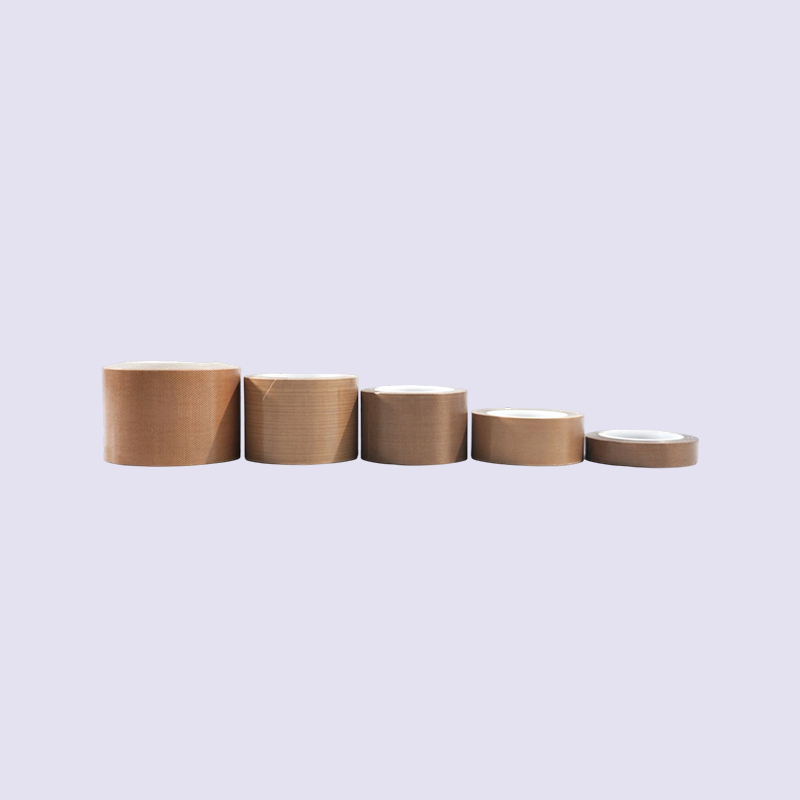
- Temperature Resistance: PTFE adhesive tape maintains structural and functional integrity continuously from -73°C to +260°C, with short-term excursions possible up to +300°C in some grades. This range covers virtually all industrial heat sealing, conveying, and process lining applications without degradation of the PTFE face or loss of adhesive bond strength at operating temperature.
- Non-Stick Surface: The exposed PTFE surface has a coefficient of friction as low as 0.04–0.10 (static), which is comparable to wet ice sliding on wet ice. This property prevents adhesion of hot-melt plastics, food products, adhesives, resins, and other sticky materials to the tape surface, enabling clean release in packaging and food processing equipment.
- Chemical Resistance: PTFE is resistant to virtually all industrial chemicals, including concentrated acids, alkalis, solvents, fuels, oils, and oxidizing agents. The only chemicals known to attack PTFE are molten alkali metals and certain fluorinating agents — conditions that are essentially never encountered in normal industrial use. This makes PTFE tape suitable for lining chemical reactor components, pipe flanges, and processing equipment in aggressive chemical environments.
- Dielectric Strength: PTFE is an outstanding electrical insulator with a dielectric strength typically in the range of 40–80 kV/mm and a dielectric constant of approximately 2.1 across a wide frequency range. PTFE adhesive tape is therefore used as electrical insulation in transformers, motor windings, cable wrapping, and high-frequency circuit board applications where low dielectric loss is critical.
- UV and Weather Resistance: Unlike many polymer films, PTFE does not degrade under prolonged ultraviolet exposure and maintains its mechanical and chemical properties in outdoor environments without the need for UV stabilizer additives. This makes PTFE tape a durable choice for exterior architectural glazing seals, outdoor electrical insulation, and weather-exposed industrial equipment lining.
- FDA and Food Safety Compliance: Virgin PTFE material meets the requirements of FDA 21 CFR 177.1550 for food contact applications, and food-grade PTFE adhesive tapes are widely used in bakery conveyor belts, heat sealing jaws, and food processing guide surfaces where direct or incidental food contact occurs during production.
Main Types of PTFE Adhesive Tape and Their Structural Differences
PTFE adhesive tape is not a single product but a family of related tape constructions, each engineered for a different performance profile. Selecting the correct type requires understanding the structural differences between the major product categories and how those differences translate into practical performance advantages and limitations in specific applications.
Skived PTFE Film Tape
Skived PTFE film tape is produced by shaving thin layers from a sintered PTFE billet using a precision cutting machine — a process called skiving — to produce a film with a highly uniform thickness and a very smooth, dense surface. This manufacturing method produces PTFE film with excellent optical clarity, very low surface roughness, and superior dielectric properties compared to extruded or calendered PTFE films. Skived PTFE tape is the premium specification for electrical insulation applications, high-precision non-stick surface lining, and laboratory or semiconductor manufacturing environments where surface uniformity and chemical purity are critical. Thicknesses typically range from 0.05 mm to 0.5 mm, with the adhesive backing adding approximately 0.05–0.10 mm to the total tape thickness.
PTFE Glass Fabric Tape
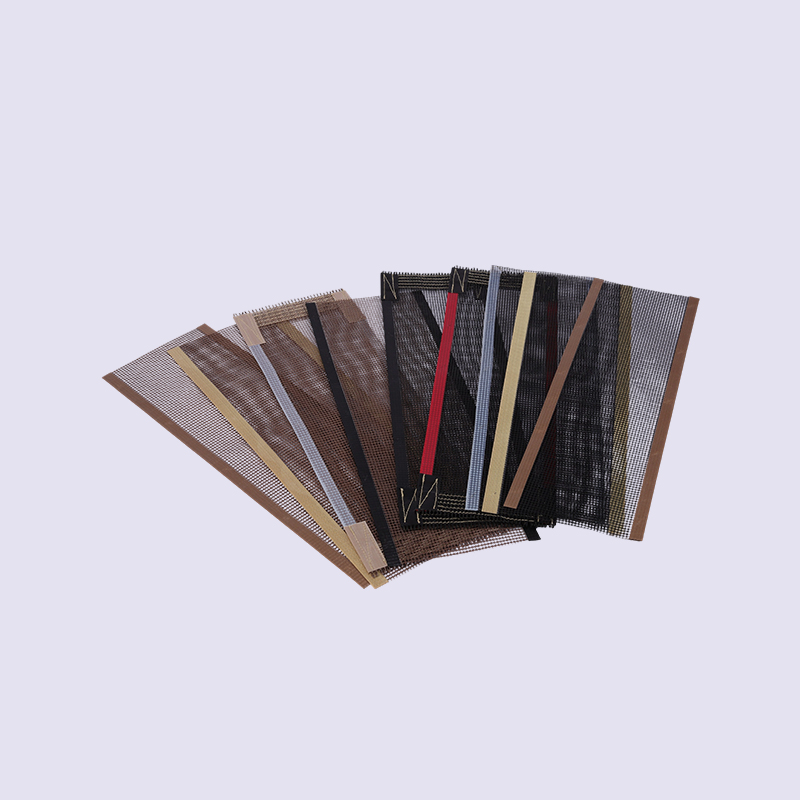
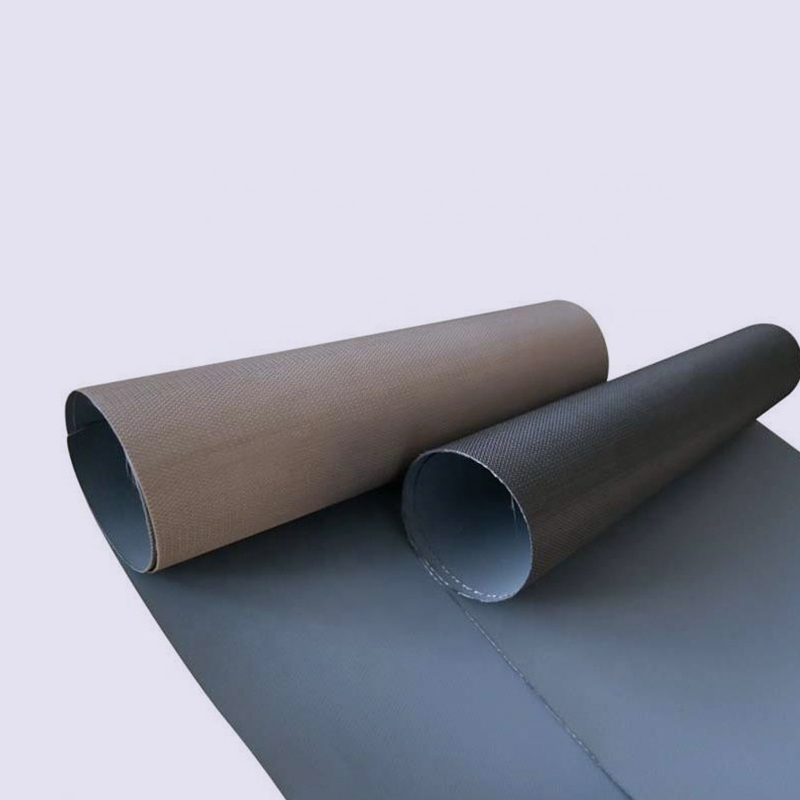
PTFE glass fabric tape uses a woven fiberglass cloth substrate that has been impregnated and coated with PTFE dispersion to create a reinforced composite tape with significantly higher tensile strength and tear resistance than pure PTFE film tape. The fiberglass reinforcement prevents the tape from stretching or creeping under mechanical loads, making PTFE glass fabric tape the preferred specification for conveyor belt surface lining, heat sealing bar covers, and slide guide surfaces in packaging machinery where the tape must withstand both thermal and mechanical stress simultaneously. The woven fabric texture also provides a slightly higher surface roughness than skived film tape, which can be advantageous in applications where some controlled friction is needed while still maintaining non-stick properties for release. Standard thicknesses range from 0.08 mm to 0.50 mm.
Expanded PTFE (ePTFE) Tape
Expanded PTFE tape is produced by stretching sintered PTFE during the manufacturing process to create a microporous structure with a characteristic soft, white, fibrous appearance. ePTFE tape is compressible and conformable, making it ideal for gasket sealing applications on pipe flanges, valve bodies, and irregular mating surfaces where a conventional rigid tape would not conform adequately to surface irregularities. In the tape format with adhesive backing, ePTFE is used for sealing threaded pipe connections as an alternative to standard thread seal tape, and for gasketing applications in pharmaceutical, food processing, and chemical processing equipment where PTFE chemical resistance is required alongside effective sealing performance under bolted joint compression.
Comparing PTFE Tape Types by Application Suitability
The table below provides a structured comparison of the three primary PTFE adhesive tape types across the most commonly evaluated selection criteria, helping engineers and purchasing teams identify the most appropriate specification for their application at a glance.
| Criteria | Skived PTFE Film | PTFE Glass Fabric | Expanded PTFE (ePTFE) |
| Max Continuous Temp | 260°C | 260°C | 260°C |
| Tensile Strength | Moderate | High | Low–Moderate |
| Surface Smoothness | Excellent | Good (textured) | Soft/porous |
| Conformability | Moderate | Low | Excellent |
| Dielectric Performance | Excellent | Good | Good |
| Best Application | Electrical insulation, precision lining | Conveyor lining, heat seal bars | Flange sealing, gasketing |
| Relative Cost | High | Moderate–High | Moderate |
Key Industrial Applications Across Sectors
PTFE adhesive tape serves a remarkably broad range of industrial applications, and its versatility is best understood by examining the specific functional role it plays within each sector rather than treating its applications as a generic list. In each of the following contexts, the tape's unique combination of properties addresses a problem that no alternative tape material solves as effectively.
Heat Sealing and Packaging Machinery
Heat sealing machines used in food packaging, medical device packaging, and industrial pouch manufacturing apply heat and pressure through a sealing jaw to fuse thermoplastic film materials together. PTFE glass fabric tape is applied to the sealing jaw surface to prevent the hot-melt plastic from sticking to the jaw between cycles, which would otherwise cause contamination, tearing, and machine downtime. The tape must withstand continuous operating temperatures typically between 150°C and 230°C, endure millions of compression cycles without delaminating from the jaw, and release the sealed film cleanly without residue. PTFE glass fabric tape in thicknesses of 0.13–0.25 mm is the industry-standard solution for this application globally, and jaw cover replacement intervals are a key maintenance metric in high-speed packaging operations.
Conveyor Systems in Food Processing and Baking
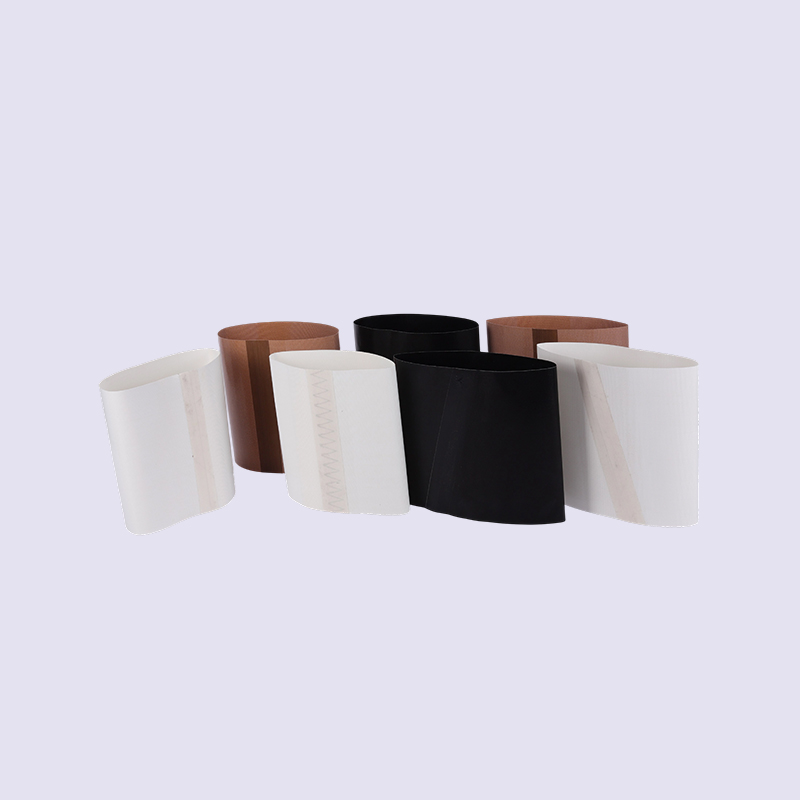
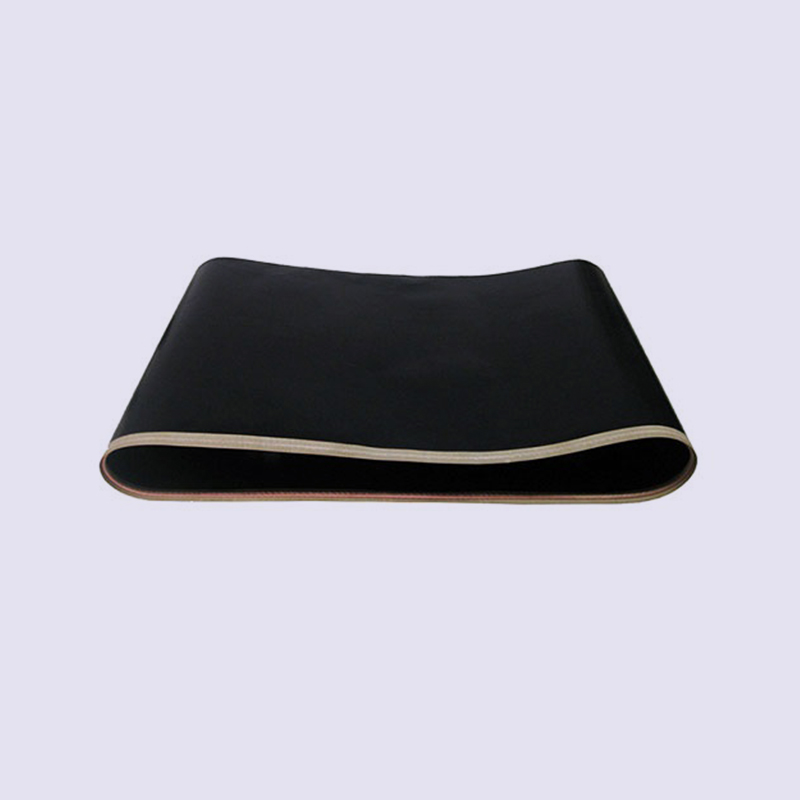
Conveyor belts in commercial bakeries, biscuit lines, and food processing plants must transport products through ovens operating at temperatures up to 250°C while providing a non-stick surface that releases baked goods cleanly without requiring oils or release sprays that could contaminate products. PTFE glass fabric conveyor belt surfaces — applied either as full replacement belts or as adhesive tape overlays on existing belt structures — provide the required combination of high-temperature stability, non-stick release, and food safety compliance. The tape overlay approach allows facilities to refurbish worn conveyor surfaces during scheduled maintenance shutdowns without replacing the entire belt assembly, significantly reducing maintenance costs and downtime.
Electrical Insulation and Electronics Manufacturing
In transformer manufacturing, motor coil winding, and high-voltage cable assembly, skived PTFE film tape is applied as an interlayer insulation wrap between conductor layers. Its combination of high dielectric strength, low dielectric constant, and thermal stability makes it the preferred insulation material for high-frequency transformers and inductors where conventional polyester or polyimide tapes would introduce unacceptable dielectric losses or fail at elevated operating temperatures. In electronics manufacturing, PTFE tape is used to mask areas of printed circuit boards during wave soldering operations, protecting sensitive components and connector areas from solder bridging while withstanding the 260°C peak temperatures of the solder wave process without adhesive bleed-out or tape deformation.
Practical Guidelines for Correct Application and Surface Preparation
Even the highest-specification PTFE adhesive tape will underperform if applied incorrectly or to an inadequately prepared substrate surface. Adhesion failure — manifesting as edge lifting, bubbling, or complete tape delamination — is almost always attributable to improper surface preparation rather than a deficiency in the tape itself. Following a disciplined application procedure maximizes adhesive bond strength and ensures that the tape delivers its rated service life.
- Surface Cleaning: The substrate surface must be thoroughly cleaned of all oils, greases, dust, release agents, and oxide layers before tape application. Use isopropyl alcohol (IPA) or acetone on a clean lint-free cloth to wipe the surface, and allow the solvent to fully evaporate before applying the tape. Applying PTFE tape over a contaminated surface is the single most common cause of premature adhesion failure in industrial applications.
- Surface Temperature at Application: Apply PTFE adhesive tape to surfaces at room temperature — ideally between 15°C and 30°C — to achieve optimal initial adhesive contact. Applying tape to cold surfaces (below 10°C) reduces silicone adhesive flow and initial bond strength; applying to hot surfaces above 50°C can cause immediate adhesive softening and tape slippage during the initial positioning phase before the adhesive has set.
- Firm Pressure Application: After positioning the tape, apply firm, uniform pressure across the entire tape surface using a rubber roller or squeegee tool, working from the center outward toward the edges to eliminate air bubbles trapped between the tape and substrate. For curved surfaces, make small relief cuts at the tape edges to allow the tape to conform without wrinkling, which would create stress concentration points and accelerate edge lifting.
- Adhesive Cure and Initial Heating: Silicone adhesive PTFE tapes achieve their maximum bond strength after an initial heat cure cycle. For heat sealing jaw applications, allow the machine to run through several complete heat-up and cool-down cycles at operating temperature before bringing the tape to full production duty. This initial thermal cycling promotes adhesive flow into surface micro-irregularities and significantly improves long-term bond performance compared to tapes placed into immediate full-load service.
- Overlap Joints: When covering a surface larger than the tape width requires overlapping strips, maintain a consistent overlap width of 5–10 mm and ensure that the overlap direction is oriented so that moving product or material passes over the overlap seam rather than into it — this prevents the leading edge of the tape from being caught and peeled back by material movement during operation.
Selecting the Right PTFE Adhesive Tape: A Summary Checklist
With the wide variety of PTFE adhesive tape constructions, thicknesses, and adhesive systems available from industrial tape suppliers, narrowing the specification to the most appropriate product requires a systematic evaluation of application requirements. Working through the following checklist before contacting a supplier ensures that the product quotation and sample evaluation process is focused on products genuinely suited to the intended use, rather than defaulting to a generic or overly conservative specification that may be unnecessarily expensive or functionally mismatched.
- Operating Temperature: Define the continuous operating temperature and any peak temperature excursions the tape must survive. If peak temperatures exceed 260°C, verify with the supplier whether specialty high-temperature PTFE grades or alternative fluoropolymer tapes (such as PFA-coated fabric) should be considered.
- Mechanical Load: Determine whether the tape will be subject to tensile stress, abrasion, repeated compression, or impact loading. Applications with significant mechanical demand require PTFE glass fabric tape rather than pure PTFE film tape to prevent tearing or creep failure under load.
- Chemical Exposure: Identify any chemicals that will contact the tape surface during operation. While PTFE itself resists virtually all chemicals, confirm that the silicone adhesive system is also compatible with the chemicals present, particularly strong oxidizing acids and certain halogenated solvents that may attack the adhesive layer at the tape edge or through any pinholes in the PTFE face.
- Food or Pharmaceutical Contact: If the tape will contact food or pharmaceutical products, confirm that both the PTFE film and the adhesive system carry the relevant regulatory compliance certifications — FDA 21 CFR, EU food contact regulation, or applicable pharmaceutical equipment standards — and request written confirmation of compliance with the specific product grades offered.
- Dimensional Requirements: Specify the required tape width, thickness, and roll length. PTFE adhesive tapes are available in standard widths from 6 mm to 1,000 mm and can often be custom slit to non-standard widths for specific application geometries. Thickness selection should account for the combined PTFE face thickness and adhesive backing thickness when the total installed profile is constrained by equipment clearances.


Copyright © Jiangsu Bocheng New Tech Materials Co., Ltd. All Rights Reserved. Silicone PTFE Composite Material Solutions
