
 Language
  English
 Español
What Makes Silicone Coated Fiberglass Fabric the Right Choice for High-Temperature Applications?
News-What Is Silicone Coated Fiberglass Fabric?
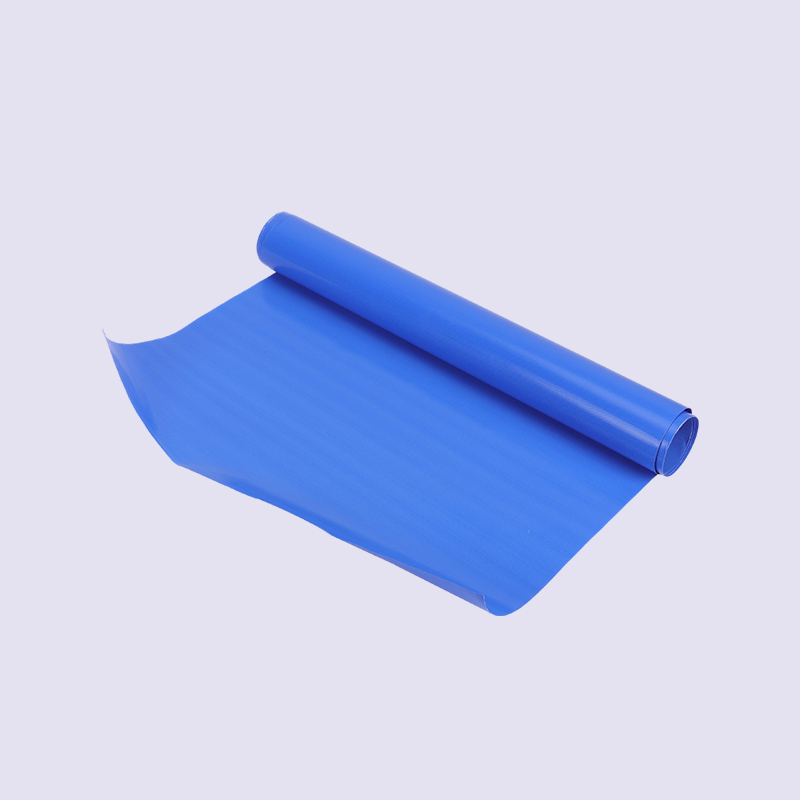
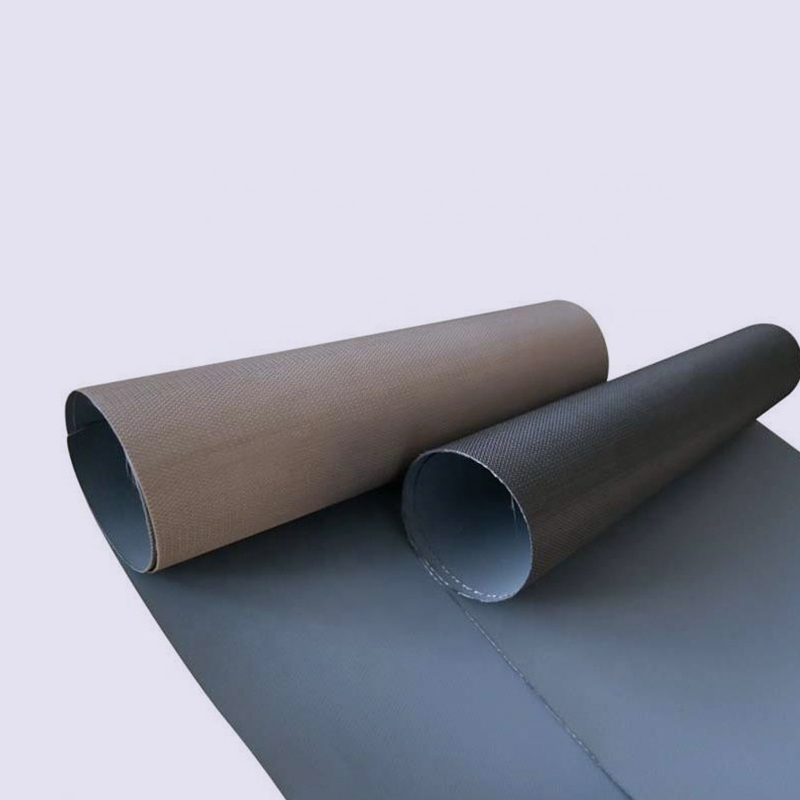
Silicone coated fiberglass fabric is a composite technical textile produced by applying one or more layers of silicone rubber compound onto a woven fiberglass base cloth. The fiberglass substrate provides the structural backbone — delivering tensile strength, dimensional stability, and inherent heat resistance — while the silicone coating adds flexibility, surface protection, chemical resistance, and enhanced thermal performance. The result is a material that outperforms either component on its own, combining the rigidity and fire resistance of glass fiber with the elastomeric and sealing properties of silicone.
This fabric is manufactured through a calendering or knife-over-roll coating process, where liquid or paste-form silicone is spread uniformly across the fiberglass weave, then cured at controlled temperatures to create a permanently bonded, non-porous surface. Depending on application requirements, the coating can be applied to one side or both sides of the fabric, and thickness can range from as light as 0.2mm to over 2mm for heavy-duty industrial grades. The finished material is typically available in rolls and can be fabricated into custom shapes, blankets, curtains, sleeves, gaskets, and expansion joints.
Core Properties That Define Performance
The broad adoption of silicone coated fiberglass fabric across industries is driven by a specific combination of physical and chemical properties that very few alternative materials can match simultaneously. Understanding these properties helps engineers and procurement professionals select the right grade for their specific application.
- High-temperature resistance: Silicone coated fiberglass fabric continuously withstands temperatures ranging from -60°C to +230°C (-76°F to +446°F), with short-term peaks up to 260°C. This makes it suitable for applications near furnaces, engines, exhaust systems, and industrial ovens.
- Flame resistance: The fiberglass core is inherently non-combustible, and silicone compounds used in coating are self-extinguishing. Many grades comply with UL 94 V-0 flammability ratings and can meet fire protection standards in building, marine, and aerospace environments.
- Chemical resistance: The cured silicone surface resists oils, fuels, dilute acids, alkalis, water, and many solvents. It does not absorb moisture and maintains its properties after prolonged exposure to aggressive chemicals.
- Flexibility and drapeability: Unlike rigid ceramic or metal alternatives, silicone coated fiberglass fabric remains pliable and easy to fabricate, cut, and install, even at low temperatures where many polymers become brittle.
- Low thermal conductivity: The fabric acts as a thermal barrier, slowing heat transfer between surfaces. This is critical for insulation blankets, protective wraps, and fire containment barriers.
- Electrical insulation: Both fiberglass and silicone are excellent dielectric materials, making the combined fabric suitable for electrical insulation applications in motors, transformers, and wiring harnesses.
- UV and ozone stability: Silicone is inherently resistant to ultraviolet radiation and ozone degradation, extending service life in outdoor and high-exposure environments far beyond what EPDM or neoprene coated fabrics can offer.
Common Types and Their Specifications
Silicone coated fiberglass fabric is not a single product but a family of materials differentiated by weave style, coating weight, color, and surface texture. The following table outlines the most commonly specified types:
| Type | Coating Side | Typical Thickness | Key Use |
| Single-side coated | One side | 0.25 – 0.5mm | Duct wrap, conveyor belts |
| Double-side coated | Both sides | 0.4 – 2.0mm | Expansion joints, seals, curtains |
| High-temperature grade | Both sides | 0.5 – 1.5mm | Furnace curtains, fire blankets |
| Food-grade silicone coated | Both sides | 0.3 – 0.8mm | Baking belts, food processing |
| Reinforced heavy-duty | Both sides | 1.5 – 3.0mm | Industrial gaskets, pipe insulation |
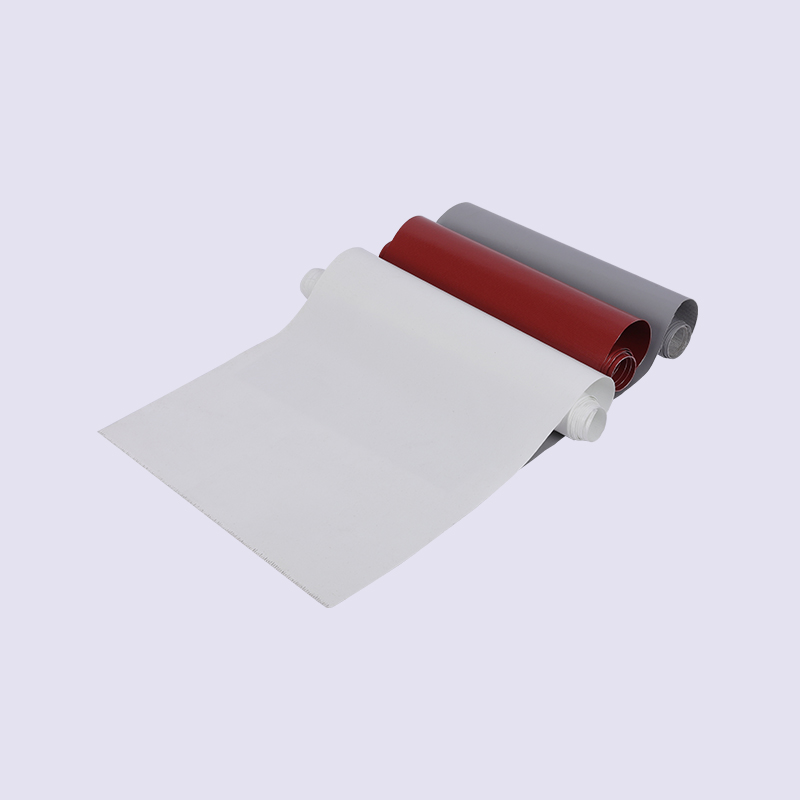
Color options commonly include red, gray, black, and white, with red being the most widely recognized for high-temperature industrial applications and white or translucent grades preferred in food contact environments. Surface texture can be smooth for sealing applications or textured for improved grip and release in conveying applications.
Industries and Applications Where It Is Most Used
Silicone coated fiberglass fabric serves an exceptionally wide range of industries. Its unique property profile makes it difficult to substitute with a single alternative material, which is why it appears in applications from shipbuilding to semiconductor manufacturing.
Industrial and Manufacturing Environments
In steel mills, foundries, and glass manufacturing plants, silicone coated fiberglass fabric is fabricated into removable insulation blankets that wrap around pipes, valves, flanges, and turbines. These blankets allow maintenance teams to access equipment quickly while maintaining energy efficiency during normal operation. The fabric also forms expansion joints in ductwork and exhaust systems, absorbing vibration and thermal movement without cracking or leaking — a role where rigid metal or rubber bellows often fail prematurely.
Welding and Hot Work Protection
Welding curtains and protective blankets made from silicone coated fiberglass fabric shield workers, equipment, and adjacent structures from weld spatter, sparks, and radiant heat. Unlike traditional canvas or leather welding blankets, silicone coated versions do not absorb oils or moisture, are easier to clean, and maintain their fire-resistant properties throughout their service life without treatment or conditioning. They are widely used in shipyards, automotive plants, and construction sites.
HVAC and Ducting Systems
Flexible connectors and duct wrap applications in heating, ventilation, and air conditioning systems rely on silicone coated fiberglass fabric to provide airtight, vibration-dampening connections between rigid duct sections and mechanical equipment. The fabric's resistance to temperature cycling, humidity, and airborne chemicals makes it far more durable in HVAC environments than PVC-coated alternatives, which can crack and off-gas under prolonged heat exposure.
Aerospace and Automotive
Engine bays, exhaust tunnels, and firewall assemblies in aircraft and high-performance vehicles use silicone coated fiberglass fabric for thermal and fire protection. The material's low weight relative to its thermal performance is a key advantage in weight-sensitive applications. Custom-cut heat shields and insulation pads are also used in automotive manufacturing to protect fuel lines, brake components, and electronic systems from engine heat.
Food Processing and Baking
Food-grade silicone coated fiberglass fabrics are approved for direct food contact in many jurisdictions and are used extensively as conveyor belts and release liners in commercial baking, confectionery, and food processing lines. The non-stick silicone surface eliminates the need for release agents, survives continuous oven cycling, is easy to sanitize, and does not transfer taste, color, or odor to food products.
How to Select the Right Grade for Your Application
Choosing the correct silicone coated fiberglass fabric requires evaluating several application-specific parameters rather than defaulting to a standard catalog item. Engineers should work through the following considerations systematically:
- Operating temperature range: Confirm both continuous service temperature and any short-duration peak temperatures. If peak temperatures exceed 230°C regularly, consider high-temperature silicone grades or upgraded fiberglass yarn (such as E-glass versus S-glass) for enhanced performance.
- Chemical exposure: Identify all chemicals, fluids, and vapors the fabric will contact. While silicone resists most common industrial chemicals, concentrated acids, steam above 120°C, and certain ketones can degrade silicone over time. Request chemical compatibility data from the supplier for specific environments.
- Mechanical stress: Applications involving repeated flexing, abrasion, or high tensile loads require heavier weave substrates and thicker coatings. Expansion joints and conveyor belts demand grades with reinforced warp and weft counts to prevent fiber fatigue cracking.
- Regulatory compliance: Food contact applications require FDA-compliant silicone formulations. Fire protection applications may need to meet specific national or international standards such as EN 13501, ASTM E84, or IMO FTP Code for marine use.
- Fabrication method: If the fabric will be sewn, cut, welded (RF or hot-air), or bonded with adhesives, confirm compatibility with the intended joining method. Some silicone surfaces are difficult to bond without surface priming or activation.
Maintenance, Lifespan, and Cost Considerations
One of the most compelling arguments for silicone coated fiberglass fabric over competing materials is its long service life relative to total cost of ownership. While the upfront cost per square meter is higher than PVC-coated fabrics or plain fiberglass cloth, silicone coated grades typically last three to five times longer in high-temperature or chemically demanding environments, significantly reducing replacement frequency and associated downtime costs.
Maintenance requirements are minimal. The non-porous silicone surface can be wiped clean with water, mild detergents, or isopropyl alcohol. It does not require re-coating, conditioning, or special storage conditions beyond keeping it away from prolonged direct contact with sharp objects that could mechanically damage the surface. When used as removable insulation blankets, the fabric can be removed, cleaned, inspected, and reinstalled without degradation, provided the underlying fiberglass structure has not been kinked or crushed.
End-of-life disposal should follow local regulations for composite materials. While silicone coated fiberglass is not readily recyclable through standard streams, many industrial fabric suppliers offer take-back or repurposing programs for large-volume industrial users. Specifying the correct grade from the outset — rather than over-specifying or under-specifying — is the most effective way to maximize value and minimize both operational risk and lifecycle cost.


Copyright © Jiangsu Bocheng New Tech Materials Co., Ltd. All Rights Reserved. Silicone PTFE Composite Material Solutions
