
 Language
  English
 Español
What Makes PTFE Fiberglass Fabric the Ultimate High-Performance Industrial Material?
News-What Is PTFE Fiberglass Fabric and How Is It Constructed
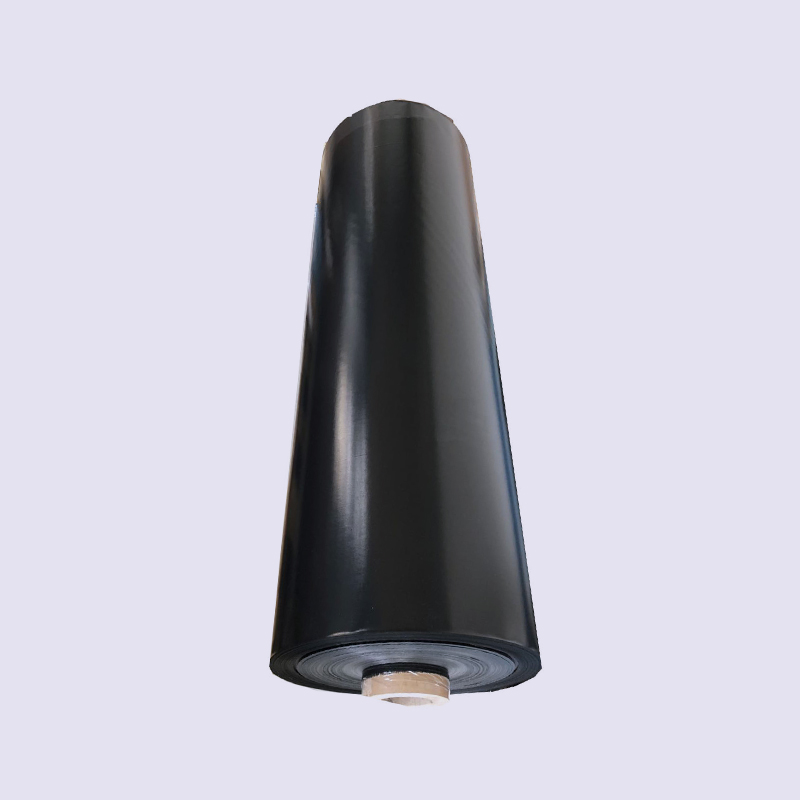
PTFE fiberglass fabric is a composite technical textile produced by impregnating or coating a woven fiberglass substrate with polytetrafluoroethylene — the fluoropolymer resin more widely recognized by DuPont's trade name, Teflon. The manufacturing process involves passing a tightly woven fiberglass cloth through a PTFE dispersion bath multiple times, with each pass followed by a sintering stage in which the coated fabric is heated to temperatures above 360°C to fuse the PTFE particles into a continuous, dense coating. The number of impregnation passes and the concentration of the PTFE dispersion determine the final weight, thickness, and surface density of the finished fabric.
The fiberglass base cloth provides the structural backbone of the material. E-glass fibers — the most common type used in industrial composite textiles — offer excellent tensile strength, dimensional stability under heat, and resistance to most chemicals. When combined with a fully sintered PTFE coating, the resulting laminate inherits the mechanical resilience of the glass fiber structure while gaining the exceptional non-stick, chemical-resistant, and thermally stable surface properties that PTFE is globally recognized for. The result is a fabric that performs in environments where virtually no other flexible material can function reliably.
Core Physical and Chemical Properties
Understanding the specific properties of PTFE fiberglass fabric is essential for matching the material to the right application. The combination of two high-performance materials produces a set of characteristics that are difficult or impossible to replicate with any single-component material.
Thermal Performance
PTFE fiberglass fabric maintains structural integrity and functional performance across an exceptionally wide temperature range. Standard grades operate continuously between -70°C and +260°C, with short-term excursions tolerated up to approximately 280°C before any degradation of the PTFE coating begins. This range encompasses the operating temperatures of most industrial ovens, dryers, heat sealers, and conveyor systems, making the fabric one of the few flexible materials capable of handling both cryogenic and high-heat applications without a change of specification.
Chemical Resistance
PTFE is one of the most chemically inert substances known to material science. The strong carbon-fluorine bonds in the polymer chain resist attack from virtually all industrial acids, alkalis, solvents, and oxidizing agents. PTFE fiberglass fabric inherits this resistance across its coated surfaces, making it suitable for use in chemical processing environments where other flexible materials would rapidly degrade. Only molten alkali metals and certain fluorinating agents at elevated temperatures can attack PTFE under industrial conditions.
Non-Stick Surface Characteristics
PTFE has one of the lowest coefficients of friction of any solid material, and its surface energy is so low that almost no adhesive or sticky substance can form a durable bond with it. In practical terms, this means that resins, food products, adhesives, rubber, and plastics release cleanly from PTFE fiberglass fabric surfaces without requiring release agents or cleaning between cycles. This property is central to the material's value in food processing, composite manufacturing, and packaging applications.
Standard Grades and Specifications Available
PTFE fiberglass fabric is produced in a range of grades that differ primarily in weight, thickness, PTFE content, and surface finish. Selecting the appropriate grade requires matching these parameters to the mechanical loads, temperature profile, and surface contact requirements of the specific application.
| Grade / Weight | Thickness (mm) | PTFE Content (%) | Typical Application |
| Light (200–300 g/m²) | 0.10–0.18 | 50–60% | Heat sealing, food conveying |
| Medium (400–600 g/m²) | 0.25–0.45 | 55–65% | Conveyor belts, oven liners |
| Heavy (700–1000 g/m²) | 0.50–0.80 | 60–70% | Industrial press pads, expansion joints |
| Ultra Heavy (1000+ g/m²) | 0.80–1.50+ | 65–75% | Architectural membranes, chemical barriers |
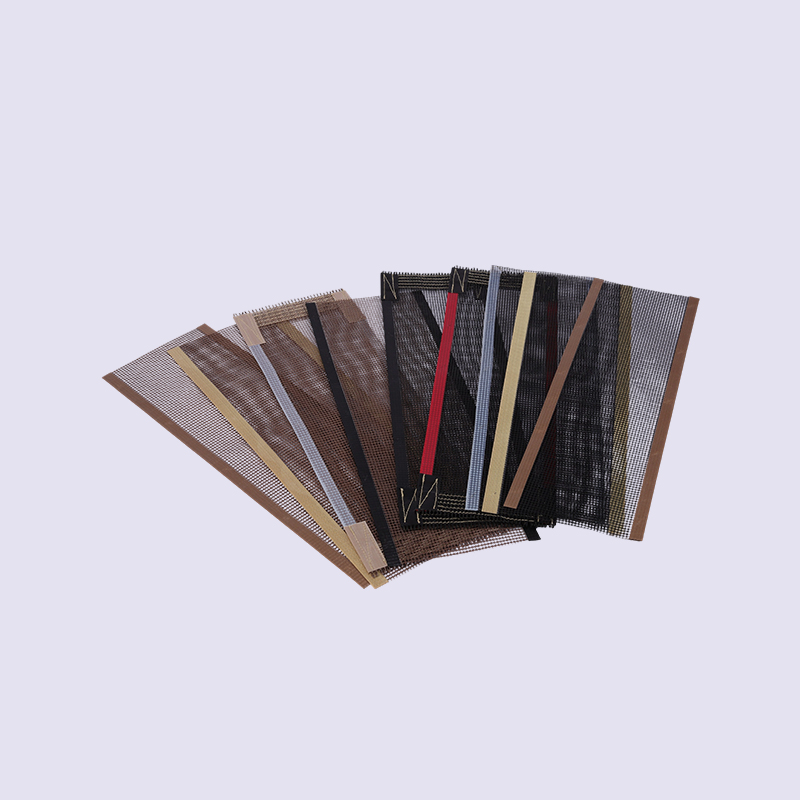
Surface finish variants add another dimension to the selection process. Standard sintered finishes provide a smooth, moderately glossy PTFE surface suitable for most non-stick and heat applications. Calendered finishes involve passing the sintered fabric through heated rollers to produce an even smoother, denser surface with improved barrier properties. Open-weave or mesh variants allow air and moisture to pass through the fabric while retaining non-stick and heat-resistant properties — a configuration particularly valued in drying and curing applications where airflow through the belt is necessary.
Primary Industrial Applications and Use Cases
The unique combination of properties in PTFE fiberglass fabric makes it genuinely irreplaceable in a wide range of industrial processes. Its adoption has spread across industries that appear superficially unrelated but share common requirements for heat resistance, chemical inertness, and non-adhesion.
Food Processing and Baking
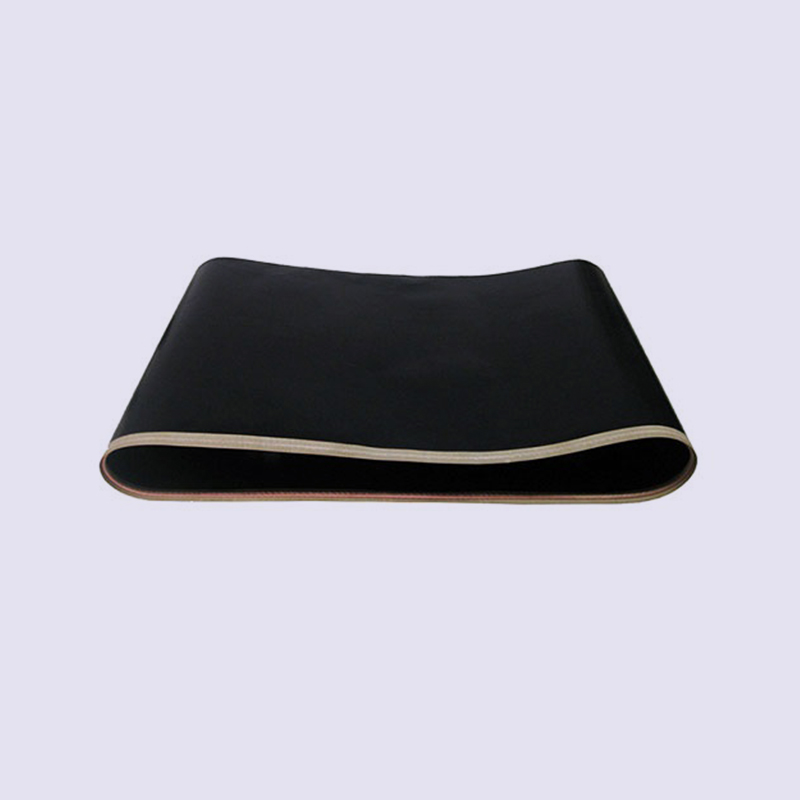
In food manufacturing, PTFE fiberglass fabric is used extensively as conveyor belt surfaces in continuous tunnel ovens, as baking sheet liners, and as non-stick mold release surfaces for confectionery and bread production. The material is FDA-compliant for food contact use, withstands continuous oven temperatures without degradation, and releases baked products cleanly without oils or sprays. It is also easily cleaned between production runs, either by wiping or by passing through the oven empty to burn off any surface residue. The longevity of PTFE fiberglass belts in food processing environments — often measured in years rather than months — provides compelling total cost of ownership advantages over disposable liner alternatives.
Packaging and Heat Sealing
Heat sealing machines use PTFE fiberglass fabric as the contact surface on sealing jaws and impulse sealer bars. When thermoplastic packaging films are pressed against a heated jaw to form a seal, the PTFE surface prevents the molten plastic from sticking to the sealing element, ensuring clean release and consistent seal quality. Lighter-weight grades of PTFE fiberglass fabric are ideal for this application, as they provide adequate thermal insulation and non-stick performance without adding unnecessary bulk to the sealing mechanism.
Composite Manufacturing and Aerospace
The composites industry relies heavily on PTFE fiberglass fabric as a release film and process material in the layup and cure of carbon fiber, fiberglass, and other reinforced polymer components. It is used as a peel ply between the composite laminate and the vacuum bagging system, as a breather or release layer on tool surfaces, and as a non-stick barrier sheet in press molding operations. The dimensional stability of the fiberglass substrate under elevated cure temperatures — typically 120°C to 180°C for aerospace-grade epoxy systems — is particularly valued in precision composite manufacturing where dimensional consistency of process materials directly affects part quality.
Electrical Insulation and Circuit Board Manufacturing
PTFE fiberglass laminates are a foundational material in the manufacture of printed circuit boards (PCBs) for high-frequency and microwave applications. The very low dielectric constant and loss tangent of PTFE make it ideal as a substrate material where signal integrity at high frequencies must be maintained. Woven fiberglass reinforcement provides the mechanical rigidity and dimensional stability required for reliable component mounting and soldering. These electrical-grade PTFE fiberglass laminates operate to more demanding tolerances than industrial fabric grades but share the same fundamental material architecture.
Advantages Over Alternative High-Temperature Fabrics
Several other high-temperature textile materials compete with PTFE fiberglass fabric in specific applications, including silicone-coated fiberglass, aramid fabrics, and ceramic fiber textiles. Understanding where PTFE fiberglass excels relative to these alternatives helps in making well-justified material selection decisions.
- Versus silicone-coated fiberglass: Silicone coatings offer good flexibility and moderate non-stick properties but are limited to approximately 220°C continuous service temperature and degrade more rapidly under repeated thermal cycling. PTFE fiberglass significantly outperforms silicone in both maximum temperature and chemical resistance.
- Versus aramid fabrics: Aramid textiles such as Kevlar and Nomex provide excellent tensile strength and cut resistance but lack the non-stick surface properties of PTFE and absorb moisture readily, which can compromise dimensional stability in high-humidity environments.
- Versus ceramic fiber fabrics: Ceramic fiber textiles handle very high temperatures — often exceeding 1000°C — but are brittle, difficult to fabricate into functional shapes, and offer no non-stick surface characteristics. They serve different high-temperature insulation roles rather than competing directly with PTFE fiberglass in conveying or release applications.
- Versus uncoated fiberglass: Raw fiberglass fabric without any polymer coating has no non-stick properties and limited chemical resistance, limiting its usefulness in most of the application areas where PTFE fiberglass excels.
Key Factors to Evaluate When Selecting PTFE Fiberglass Fabric
Selecting the right PTFE fiberglass fabric specification requires a structured evaluation of the operating conditions and functional requirements of the intended application. Purchasing decisions made purely on the basis of price without considering these factors frequently result in premature failure and higher long-term costs.
- Operating temperature range: Confirm the continuous service temperature and any peak excursion temperatures to ensure the selected grade's PTFE content and glass fiber type are appropriate for the thermal environment.
- Mechanical load and flex requirements: Applications involving continuous belt conveying or repeated flexing around rollers require grades with adequate tensile strength and flex fatigue resistance; heavier fabrics are not always better if the application demands flexibility.
- Chemical exposure profile: Identify all substances — including cleaning agents, process chemicals, and any steam or condensate — that will contact the fabric surface, and verify compatibility with both the PTFE coating and the fiberglass substrate.
- Surface finish and open area: Decide between closed surface grades for non-stick or barrier applications and open-mesh grades for applications requiring air or moisture transmission.
- Regulatory compliance requirements: Food contact, electrical, or aerospace applications may require specific certifications such as FDA compliance, UL recognition, or aerospace material specifications that not all commercial PTFE fiberglass fabrics carry.
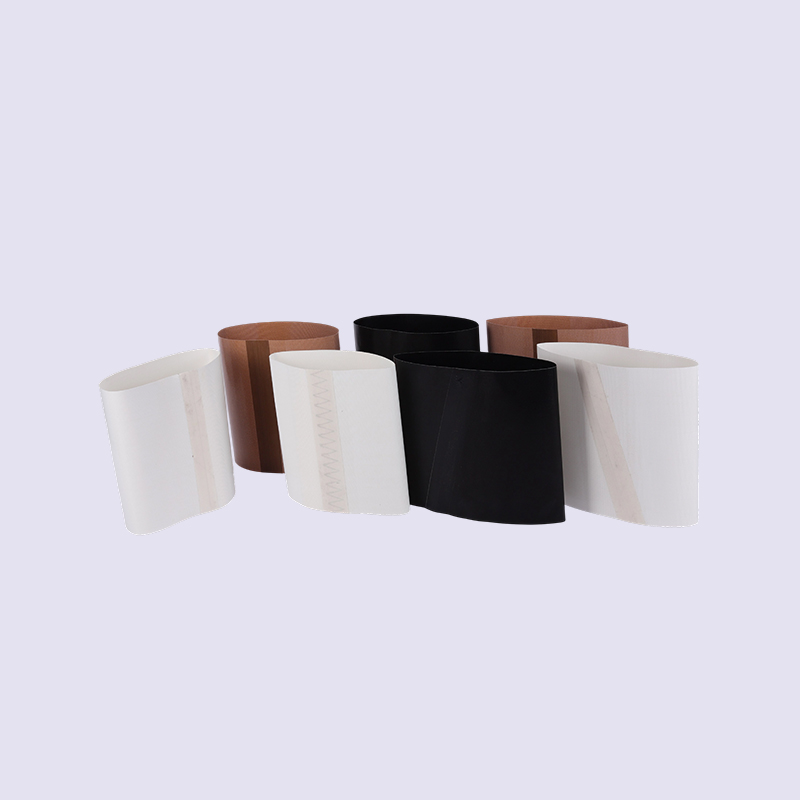
- Fabrication and joining method: Consider how the fabric will be cut, seamed, or joined in the final application — PTFE fiberglass can be lapped-joined with PTFE adhesive tape, heat-welded with specialized equipment, or mechanically fastened, and the appropriate joining method affects the choice of fabric weight and edge treatment.
Maintenance, Cleaning, and Service Life Expectations
One of the practical strengths of PTFE fiberglass fabric in service is its low maintenance requirement relative to most alternative materials. The non-stick surface resists contamination buildup, and when cleaning is required, most surface deposits can be removed with warm water and mild detergent, or by wiping with a soft cloth. Abrasive cleaning agents and metal scrapers should be avoided because they can damage the PTFE coating surface, exposing the underlying fiberglass and initiating a rapid deterioration pathway.
Service life varies considerably depending on application severity. In light-duty heat sealing or oven liner applications with minimal mechanical stress, well-specified PTFE fiberglass fabric can last several years of continuous use. In demanding conveyor belt applications with continuous flexing, elevated temperatures, and abrasive product contact, service life is shorter but typically still measured in months to years rather than weeks. Tracking wear indicators — such as surface PTFE erosion exposing the fiberglass weave pattern, fraying edges, or loss of non-stick performance requiring increased cleaning frequency — provides a practical basis for planning scheduled replacements before unexpected failures disrupt production operations.


Copyright © Jiangsu Bocheng New Tech Materials Co., Ltd. All Rights Reserved. Silicone PTFE Composite Material Solutions
