
 Language
  English
 Español
What Makes Zone Teflon Adhesive Tapes the Right Choice for High-Heat Applications?
News-What Are Zone Teflon Adhesive Tapes?
Zone Teflon adhesive tapes are high-performance industrial tapes constructed from a PTFE (polytetrafluoroethylene) film or fabric base, coated on one or both sides with a pressure-sensitive silicone or acrylic adhesive. The "Zone" designation typically refers to a specific product line or classification within the broader Teflon tape category, often indicating tapes engineered for defined thermal zones — such as sealing zones, heating zones, or conveyor zones — in manufacturing and processing equipment.
PTFE, commonly known by the DuPont trade name Teflon, is one of the most chemically inert and thermally stable polymers known to science. When formed into a tape with a reliable adhesive backing, it delivers a combination of non-stick surface properties, electrical insulation, and resistance to extreme temperatures that no conventional adhesive tape can match. These characteristics make Zone Teflon adhesive tapes indispensable in packaging machinery, heat sealing equipment, food processing lines, and a wide range of industrial fabrication applications.
Core Material Properties That Define Performance
The performance of any Teflon adhesive tape is fundamentally determined by the properties of its PTFE base material. Understanding these characteristics helps buyers appreciate why these tapes command a premium over standard masking or electrical tapes and why they are specified in demanding industrial environments.
- Continuous Temperature Resistance: PTFE-based tapes can withstand continuous operating temperatures ranging from -73°C (-100°F) up to 260°C (500°F), with short-term peak exposures tolerated up to 315°C (600°F) in some reinforced grades. This makes them suitable for heat sealing jaws, impulse sealers, and conveyor systems that operate under sustained thermal loads.
- Non-Stick Surface: The ultra-low surface energy of PTFE means that adhesives, resins, plastics, and food products will not bond permanently to the tape surface. This property is critical in packaging machines where hot-melt adhesives or thermoplastic films must release cleanly after sealing without leaving residue on the sealing element.
- Chemical Inertness: PTFE is resistant to virtually all industrial chemicals, including strong acids, bases, solvents, and oils. This resistance allows Zone Teflon tapes to be used in chemical processing environments where other tape materials would rapidly degrade.
- Dielectric Strength: PTFE is an excellent electrical insulator with a dielectric strength of approximately 60 kV/mm, making Teflon tapes suitable for wrapping electrical components, insulating bus bars, and protecting wiring in high-voltage assemblies.
- Low Coefficient of Friction: The slippery surface of PTFE reduces friction between the tape and moving materials in conveyor and slide applications, minimizing wear on both the tape and the substrate it contacts.
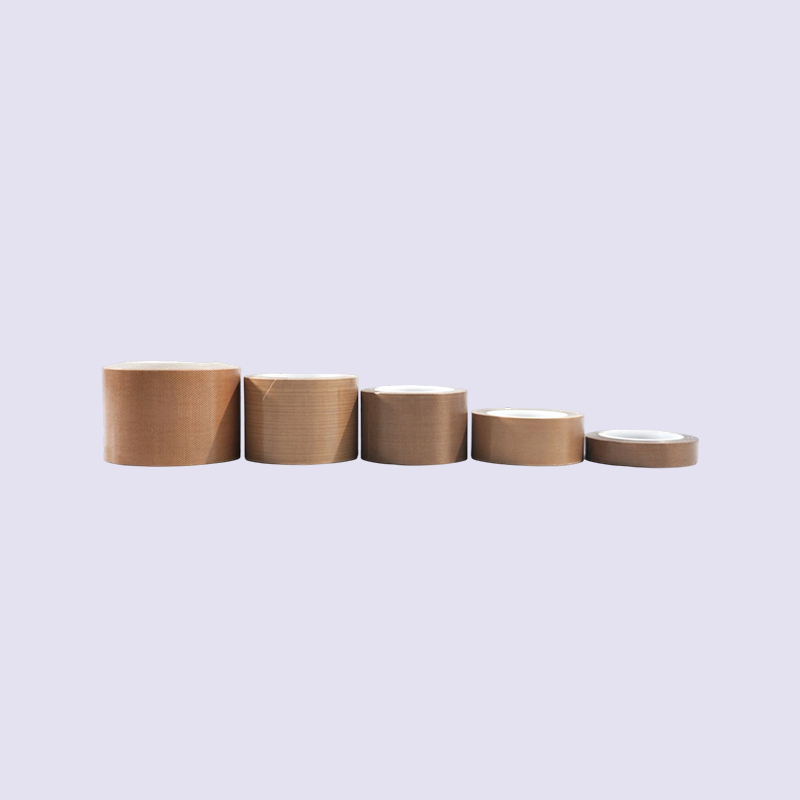
Types of Zone Teflon Adhesive Tapes
Zone Teflon adhesive tapes are not a single uniform product. They are available in several distinct constructions, each optimized for a different combination of mechanical, thermal, and surface performance requirements. Selecting the correct type is as important as selecting the correct width or thickness.
PTFE Film Tapes
PTFE film tapes consist of a smooth, skived or extruded PTFE film substrate laminated to a silicone pressure-sensitive adhesive. They are the thinnest and most conformable variety, typically available in thicknesses from 0.08mm to 0.25mm. Film tapes are ideal for wrapping sealing bars, lining chutes and hoppers, covering mold surfaces, and protecting rollers from adhesive buildup. Their smooth surface delivers excellent release characteristics and allows precise application on flat or mildly curved surfaces.
PTFE Glass Cloth Tapes
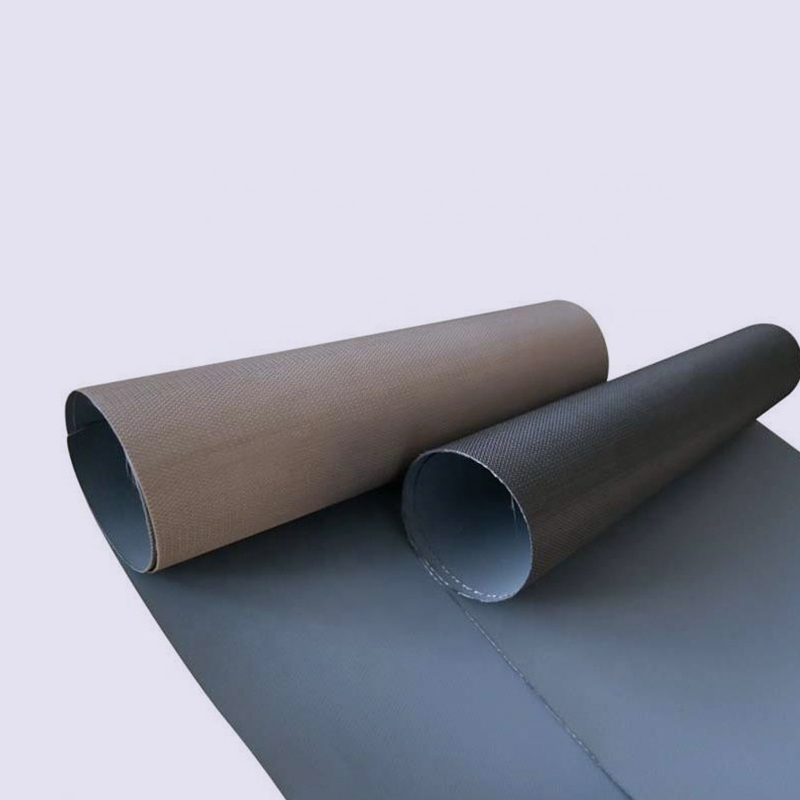
Glass cloth tapes are manufactured by impregnating a woven fiberglass fabric with PTFE dispersion and then applying a silicone adhesive backing. The fiberglass reinforcement dramatically increases tensile strength, abrasion resistance, and dimensional stability compared to plain film tapes. These tapes are the workhorse of the heat sealing industry — they are applied to the jaws of bag sealers, vacuum sealers, and form-fill-seal machines to provide a durable, non-stick sealing surface that withstands thousands of sealing cycles before requiring replacement.
PTFE Coated Fabric Tapes (Adhesive Zone Strips)
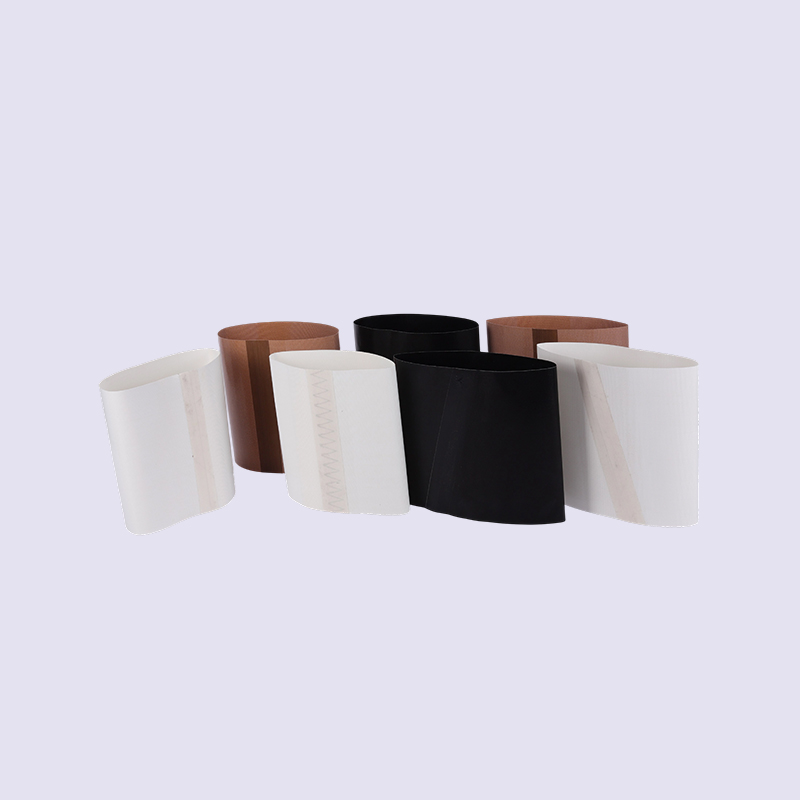
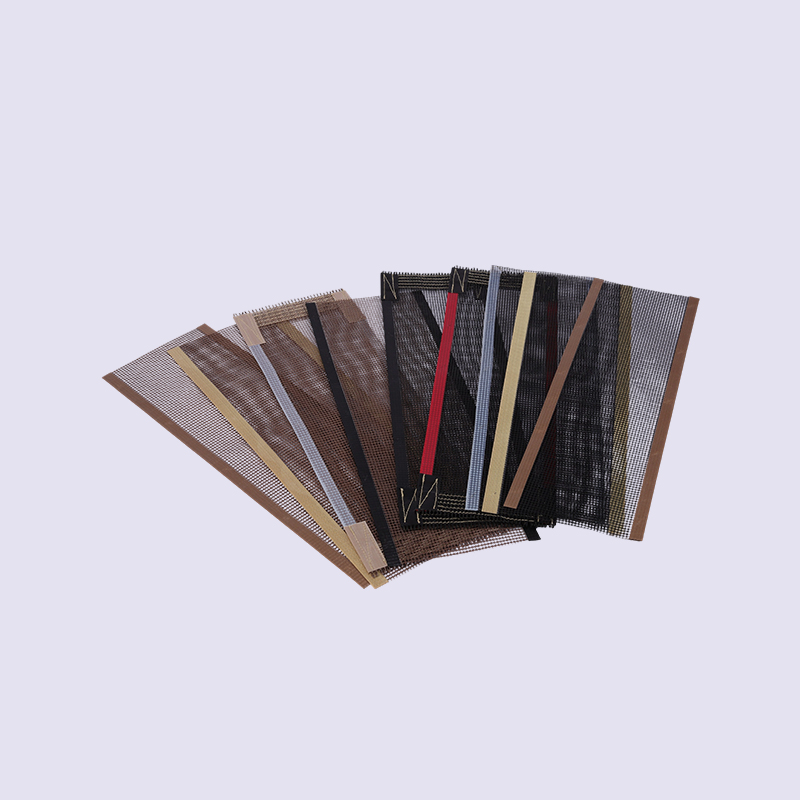
Some Zone Teflon tapes are supplied as pre-cut strips or zone-specific shapes rather than continuous rolls. These are engineered to exactly match the sealing zone dimensions of specific machine models, eliminating the need for field cutting and reducing installation time. Pre-cut zone tapes are particularly popular in high-throughput packaging operations where maintenance downtime must be minimized and installation precision is critical for sealing consistency.
Double-Sided PTFE Tapes
Double-sided Teflon tapes feature a PTFE film or fabric core with silicone adhesive applied to both faces. They are used for bonding PTFE sheets or fabrics to substrates without mechanical fasteners, and for laminating non-stick liners inside processing equipment. Because both surfaces are adhesive, they require careful handling during installation — typically using a release liner on one side that is removed after initial positioning.
Comparing Key Specifications Across Tape Types
A side-by-side comparison helps clarify which tape construction is appropriate for a given application based on the most critical performance parameters.
| Tape Type | Max Temp (°C) | Tensile Strength | Abrasion Resistance | Primary Use |
| PTFE Film | 260 | Low–Medium | Moderate | Sealing bars, molds, liners |
| PTFE Glass Cloth | 260 | High | High | Heat sealing jaws, conveyors |
| Pre-Cut Zone Strips | 260 | High | High | OEM machine maintenance |
| Double-Sided PTFE | 250 | Medium | Moderate | Bonding, laminating liners |
Primary Industrial Applications
Zone Teflon adhesive tapes serve a remarkably wide range of industries, and their versatility is a key reason they have maintained strong demand across manufacturing, food processing, electronics, and aerospace sectors for decades.
Packaging and Heat Sealing Machinery
This is the most prevalent application for Zone Teflon tapes. Heat sealing machines use electrically heated jaws or bars to fuse plastic packaging materials such as polyethylene, polypropylene, and foil laminates. The sealing jaw must reach temperatures of 150–250°C (302–482°F) while ensuring the packaging film releases cleanly after sealing without sticking or tearing. PTFE glass cloth tapes are applied directly to the sealing jaw surface, providing a non-stick, heat-resistant interface that ensures clean releases cycle after cycle. Replacing worn zone tapes is a routine maintenance task in packaging facilities, and having pre-cut zone strips on hand minimizes machine downtime.
Food Processing and Bakery Equipment
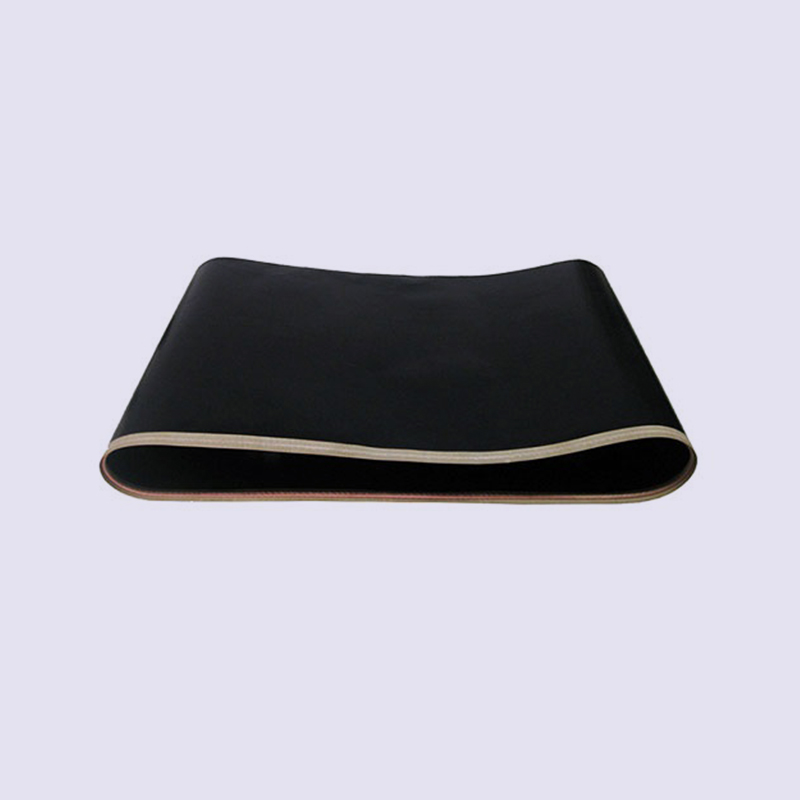
In food processing environments, PTFE tapes line conveyor belts, oven bands, and processing trays to prevent food products from sticking during baking, grilling, or cooling operations. The non-toxic, FDA-compliant nature of PTFE makes it safe for direct food contact applications. Bakeries use PTFE-coated conveyor belts lined with zone tapes to transport bread, pastries, and biscuits through tunnel ovens at temperatures exceeding 200°C without product adhesion or contamination. The smooth surface also simplifies cleaning, reducing hygiene-related downtime.
Electronics and PCB Manufacturing
PTFE film tapes are used extensively in electronics manufacturing as masking tapes during soldering, wave soldering, and reflow oven processes. They protect specific circuit board areas from solder splash and flux contamination while withstanding the elevated temperatures of solder reflow profiles — typically 250–260°C peak temperatures. After soldering, the tape peels away cleanly without leaving adhesive residue on the board surface, which is critical for the reliability of sensitive electronic components.
Composite Manufacturing and Aerospace
Aerospace and composite fabrication facilities use Zone Teflon tapes as release layers in autoclave processing of carbon fiber and fiberglass components. Tapes are applied to mold surfaces or placed between composite layups and vacuum bagging films to ensure clean part release after curing at elevated temperatures and pressures. The dimensional stability of PTFE under these conditions ensures consistent part geometry and eliminates the need for release agent sprays that can contaminate bonding surfaces.
Electrical Insulation and Wire Wrapping
In power distribution and electrical assembly applications, PTFE film tapes provide reliable insulation for bus bars, transformers, coils, and high-voltage wiring. Their combination of high dielectric strength, thermal stability, and chemical resistance makes them superior to PVC or rubber tapes in environments where heat buildup or chemical exposure could cause conventional tape insulation to fail prematurely.
How to Select the Right Zone Teflon Adhesive Tape
Choosing the correct Zone Teflon tape for a specific application requires evaluation of several interconnected parameters. Rushing this selection process often leads to premature tape failure, unplanned downtime, and increased maintenance costs.
- Operating Temperature: Identify the maximum continuous and peak temperatures the tape will experience. For applications above 230°C, specify a tape with a confirmed continuous rating of 260°C and verify this against the supplier's technical data sheet rather than relying on general product descriptions.
- Mechanical Stress: Evaluate whether the tape will be subjected to tensile pulling, abrasion from moving materials, or repeated compression from sealing jaws. High-stress applications require glass cloth reinforced tapes rather than plain PTFE film grades.
- Tape Thickness: Thicker tapes offer better abrasion resistance and longer service life but may reduce thermal transfer efficiency in heat sealing applications. Match tape thickness to the thermal requirements of the process.
- Adhesive Type: Silicone adhesives are the standard choice for high-temperature PTFE tapes due to their thermal stability. Confirm the adhesive's maximum temperature rating matches or exceeds the operating conditions of your application.
- Width and Length: For sealing machine maintenance, specify tape dimensions that match the sealing jaw precisely to avoid edge lifting, misalignment, or gaps that could compromise seal quality. Pre-cut zone strips offer the highest installation accuracy.
- Regulatory Compliance: For food contact or medical device applications, verify that the tape carries relevant certifications such as FDA 21 CFR compliance, EU food contact approval, or RoHS compliance for electronics applications.
Installation Tips for Maximum Tape Service Life
Even the highest-quality Zone Teflon adhesive tape will underperform if incorrectly installed. Following best-practice installation procedures significantly extends tape service intervals and reduces the frequency of maintenance interventions.
- Surface Preparation: Clean the application surface thoroughly with isopropyl alcohol or acetone to remove all traces of oil, adhesive residue, dust, and moisture before applying the tape. Contaminated surfaces prevent proper adhesive bonding and lead to early edge lifting.
- Application Temperature: Apply the tape at room temperature whenever possible. Silicone adhesives bond most effectively when the substrate is between 15°C and 30°C (59°F–86°F). Avoid applying tape to surfaces that are still hot from operation.
- Firm Pressure Application: After positioning the tape, apply firm, even pressure across the entire surface using a rubber roller or squeegee to ensure full adhesive contact and eliminate air pockets that could cause bubbling during thermal cycling.
- Edge Sealing: On sealing jaws and bars, ensure the tape edges are pressed down firmly and, where possible, wrapped around the edge of the jaw to prevent hot material from lifting the tape edge during operation.
- Curing Period: Allow the adhesive to cure for at least 24 hours at room temperature before subjecting the tape to full operating temperatures. This initial curing period maximizes adhesive bond strength and reduces the risk of tape movement during early operation.
By combining the correct tape specification with proper surface preparation and installation technique, maintenance teams can significantly extend the operational life of Zone Teflon adhesive tapes and reduce the total cost of ownership in high-temperature production environments.


Copyright © Jiangsu Bocheng New Tech Materials Co., Ltd. All Rights Reserved. Silicone PTFE Composite Material Solutions
