
 Language
  English
 Español
What Makes a High Temperature PTFE Sealing Belt the Right Choice?
News-What Is a High Temperature PTFE Sealing Belt?
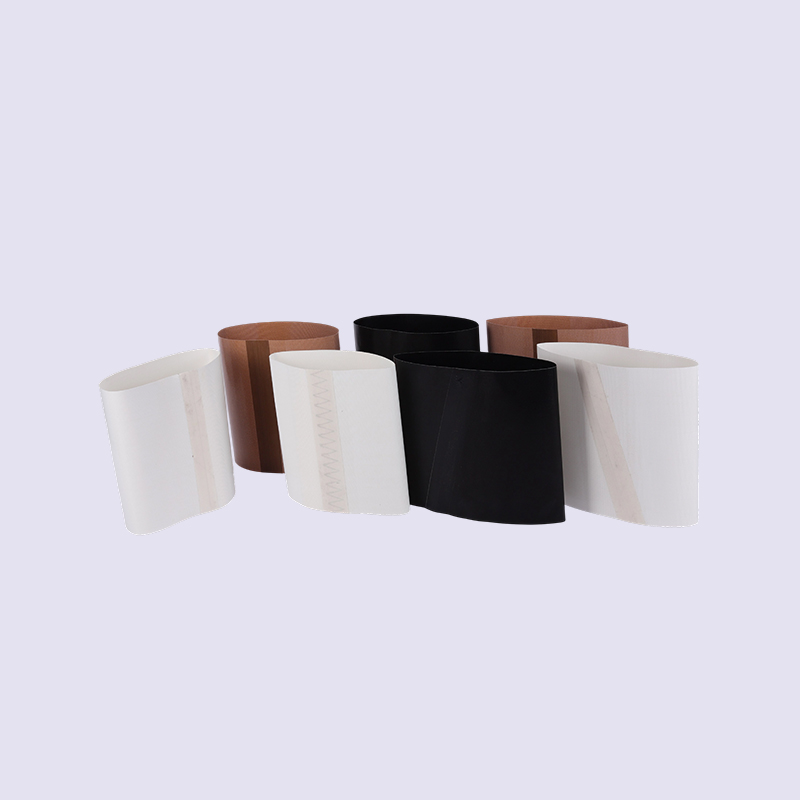
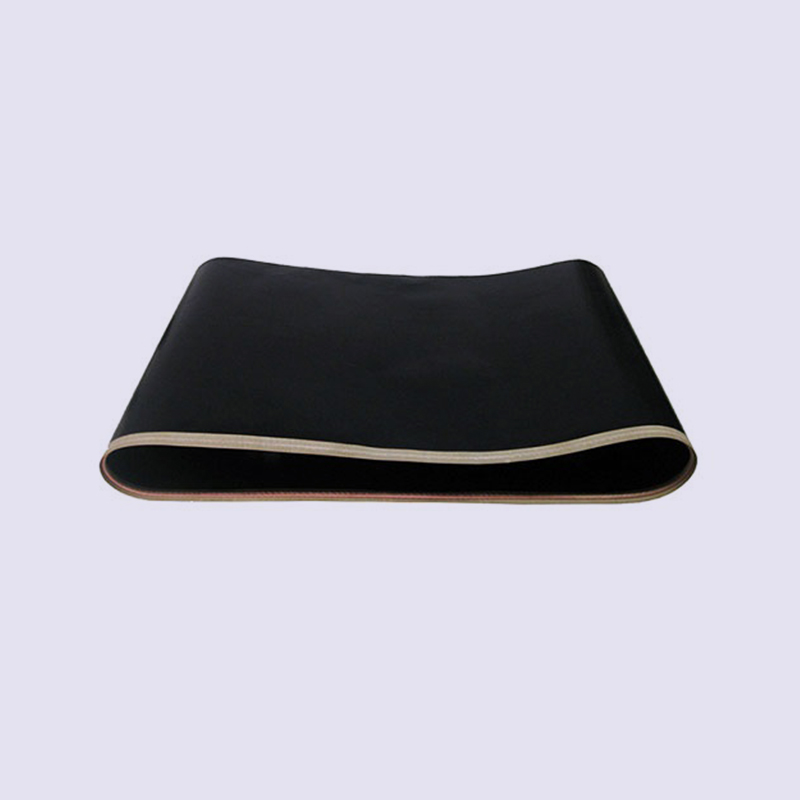
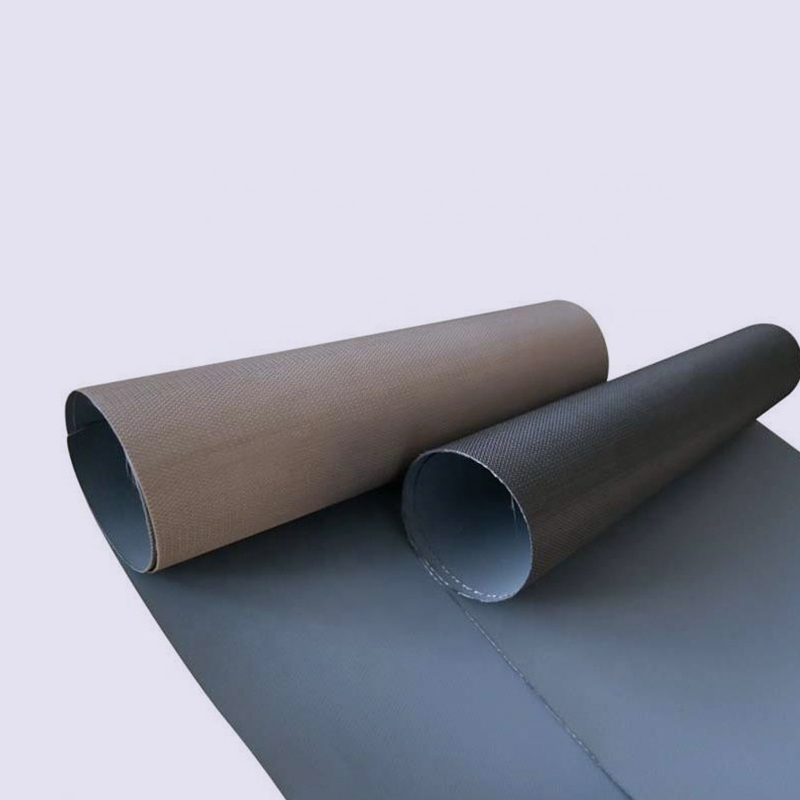
A high temperature PTFE sealing belt is an industrial conveying and sealing component manufactured from polytetrafluoroethylene (PTFE) — one of the most chemically inert and thermally stable polymer materials available to industry. These belts are produced by coating or impregnating a woven fiberglass fabric base with PTFE resin, then curing the composite to form a flexible, dimensionally stable strip that can be fabricated into continuous loop belts, flat sealing tapes, or open-ended strips depending on the application. The combination of the fiberglass structural backbone and the PTFE surface coating produces a component that simultaneously delivers the mechanical strength needed to function as a driven conveyor belt and the surface properties — non-stick, chemically resistant, low friction — that make PTFE uniquely valuable in high-temperature processing environments.
In sealing applications specifically, PTFE belts serve as the conveying medium in continuous heat sealing machines — the moving surface that transports pouches, bags, or film packaging through heated sealing jaws at precise speeds. The belt must withstand direct contact with sealing bars that operate at temperatures ranging from 150°C to well above 300°C, cycle after cycle, without degrading, sticking to the packaging material, or losing dimensional stability. This is a demanding service condition that only a small number of materials can satisfy, and PTFE-coated fiberglass belts have been the industry standard for heat sealer conveying and jaw-protection applications for decades.
Core Material Properties That Enable High-Temperature Performance
Understanding why PTFE sealing belts perform so reliably in extreme thermal environments requires a clear picture of the material's fundamental properties. Each characteristic plays a specific role in maintaining belt function under the stresses of continuous industrial operation.
Thermal Stability Across a Wide Service Range
PTFE is rated for continuous service at temperatures up to 260°C (500°F), with short-term excursion capability approaching 300°C before the onset of significant material degradation. This thermal stability stems from the exceptionally strong carbon-fluorine bonds in the PTFE polymer chain — among the strongest single bonds in organic chemistry — which resist thermal cleavage far more effectively than carbon-hydrogen bonds found in most other polymers. For heat sealing applications where sealing bar temperatures regularly operate between 180°C and 260°C, a PTFE belt maintains its flexibility, non-stick surface, and dimensional integrity throughout the operating cycle without softening, charring, or releasing degradation products onto the packaged goods.
Non-Stick Surface Performance
PTFE has one of the lowest coefficients of friction of any solid material — typically 0.05 to 0.10 against most surfaces — and its surface energy is so low that almost no adhesive or molten polymer can bond to it permanently. In heat sealing applications, this means that thermoplastic packaging films, adhesives, and molten polymers that contact the belt surface during the sealing cycle release cleanly without leaving residue. This self-cleaning behavior is critical because adhesive buildup on a sealing belt surface would alter heat transfer characteristics, create uneven seals, and require frequent machine downtime for cleaning. A properly specified PTFE sealing belt maintains consistent non-stick performance throughout its service life without any release agent application.
Chemical Resistance to Aggressive Processing Environments
PTFE is resistant to virtually all industrial chemicals, including strong acids, alkalis, solvents, and oxidizing agents. In food processing, pharmaceutical, and chemical packaging environments, the sealing belt may be exposed to cleaning agents, sanitizers, steam, and product residues during operation and washdown procedures. PTFE's inertness means that none of these exposures degrade the belt surface, alter its release properties, or create compliance concerns from chemical migration into packaged products. This broad chemical resistance also means PTFE sealing belts do not require protective coatings or specialized storage conditions when not in use.
Construction Variants and How They Affect Performance
High temperature PTFE sealing belts are not a single uniform product — they are manufactured in several construction variants that differ in PTFE coating weight, fiberglass weave structure, surface texture, and thickness. Selecting the correct construction for a specific application is as important as specifying the right material, because an undersized belt will wear prematurely while an oversized specification adds unnecessary cost without functional benefit.
| Construction Type | Typical Thickness | Key Characteristics | Typical Applications |
| Standard PTFE-coated fiberglass | 0.08 – 0.25 mm | Balanced flexibility and strength; smooth surface | General heat sealing, food packaging lines |
| Heavy-duty coated belt | 0.3 – 0.5 mm | Higher tensile strength; longer service life under load | Industrial conveying, continuous band sealers |
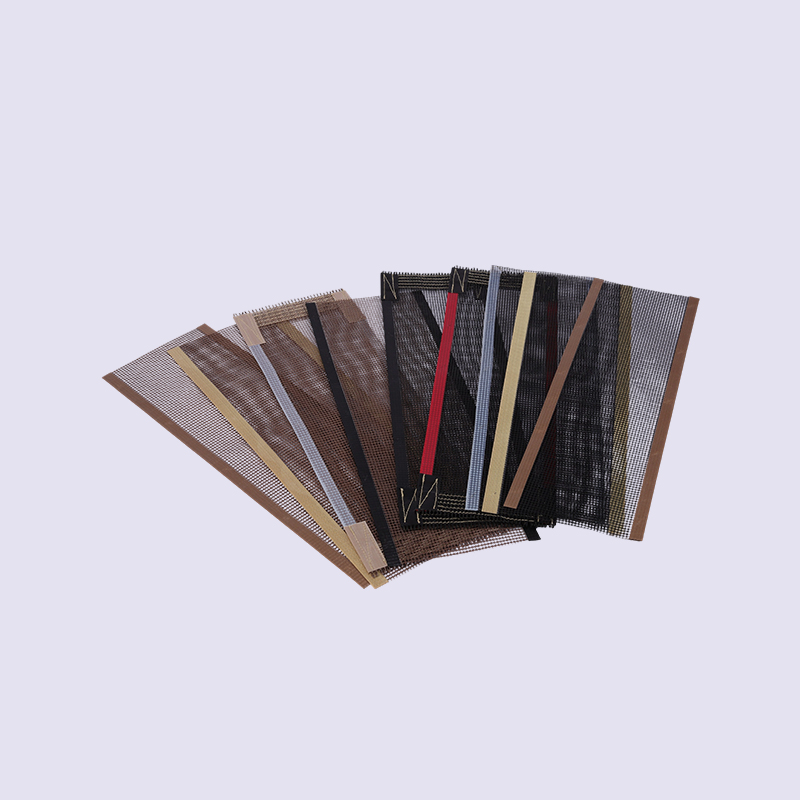
| Open mesh PTFE belt | 0.5 – 1.5 mm | Air and moisture permeable; heat transfer through belt | Drying ovens, curing tunnels, textile finishing |
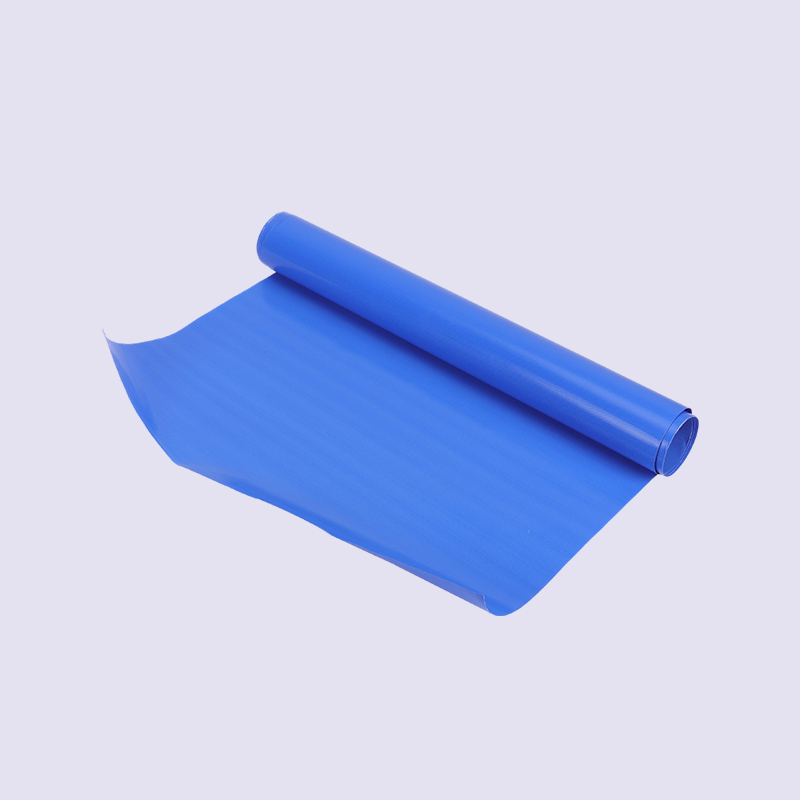
| Skived PTFE tape / strip | 0.1 – 1.0 mm | Pure PTFE without fiberglass; maximum chemical resistance | Sealing jaw liners, slide surfaces, gasket tape |
For most continuous band heat sealing machine applications, a standard PTFE-coated fiberglass belt in the 0.13mm to 0.25mm thickness range provides the optimal combination of heat resistance, non-stick surface performance, and flexibility around small-diameter drive rollers. Thicker, heavier constructions are appropriate for applications involving abrasive contact surfaces, higher tensile loads, or extended belt runs where the additional mass improves tracking stability. Open mesh constructions are selected specifically when airflow through the belt is a functional requirement — such as in tunnel dryers or curing ovens where product needs to be exposed to circulating hot air from above and below simultaneously.
Key Performance Specifications to Evaluate When Selecting a PTFE Sealing Belt
Specifying a high temperature PTFE sealing belt correctly requires evaluating a defined set of performance parameters against the demands of the target application. Relying on general descriptions such as "high temperature" or "non-stick" without verifying specific technical values leads to premature belt failures and unplanned production downtime.
- Maximum continuous operating temperature: Confirm the belt's rated continuous service temperature matches or exceeds your sealing bar operating temperature. Standard PTFE belts are rated to 260°C continuous; for applications approaching this limit, confirm the rating with the supplier and request documentation of thermal testing data rather than accepting nominal specifications.
- Tensile strength and elongation: The belt must withstand the drive tension applied by the sealing machine without stretching, which would cause tracking errors and uneven seal quality. PTFE-coated fiberglass belts typically offer tensile strengths of 500–2000 N per 25mm width depending on construction; match this to your machine's specified belt tension requirements.
- Width and thickness tolerance: Tight dimensional tolerances — typically ±0.5mm on width and ±0.01mm on thickness — are essential for consistent tracking and uniform pressure distribution across the sealing zone. Belts with inconsistent width cause edge wear and tracking drift that shortens service life and degrades seal quality.
- Surface roughness: The smoothness of the PTFE surface affects both non-stick performance and the quality of the heat seal impression transferred to the packaging film. Smooth surfaces produce cleaner seals on film packaging; slightly textured surfaces may be preferred in applications where controlled friction is needed to advance the product through the sealing zone.
- Joint type for continuous loop belts: Belts fabricated as continuous loops require a join — either a finger splice, skived lap splice, or mechanical clip join. The joint is the weakest point of the belt and must be rated for the operating temperature and tension of the application. Finger splices are most common for PTFE belts as they distribute stress over a larger area than a butt joint.
Industrial Applications Where PTFE Sealing Belts Are Indispensable
High temperature PTFE sealing belts serve as critical functional components across a remarkably broad range of industrial sectors. Their combination of thermal stability, chemical inertness, and non-stick surface performance makes them difficult or impossible to replace with alternative materials in many of these applications.
Food and Beverage Packaging
Continuous band sealers in food packaging lines use PTFE sealing belts as the primary conveying medium that carries pouches, bags, and flexible film packaging through the heated sealing zone at controlled speeds. The belt's non-stick surface prevents packaging films from adhering to the sealing bars, while its thermal stability ensures consistent heat transfer characteristics cycle after cycle. In food processing environments, the FDA-compliance of PTFE for indirect food contact is a regulatory requirement, and PTFE-coated fiberglass belts with appropriate certifications satisfy this requirement without additional protective measures. Common applications include snack packaging, frozen food pouching, coffee and tea pouch sealing, and medical food packaging.
Pharmaceutical and Medical Device Packaging
Pharmaceutical blister pack sealing, medical pouch sealing, and sterile barrier packaging all rely on PTFE sealing belts to achieve the precise, consistent heat seals that regulatory standards demand. In these environments, belt cleanliness, chemical inertness, and absence of particle generation are paramount. PTFE belts do not shed fibers or particles under normal operating conditions and do not react with sterilization agents including ethylene oxide, hydrogen peroxide vapor, or gamma radiation at typical processing doses, making them compatible with the full range of pharmaceutical packaging sterilization protocols.

Textile and Nonwoven Processing
In textile finishing, lamination, and nonwoven fabric production, PTFE belts convey fabric through heated calender rolls, lamination presses, and drying chambers at temperatures that would destroy most polymer belt materials. Open mesh PTFE belts are particularly valued in these applications because they allow hot air circulation through the fabric while providing a stable, non-adhesive support surface. Thermoplastic lamination processes — where hot-melt adhesives are activated to bond fabric layers — specifically require a belt surface that releases from adhesive squeeze-out without requiring cleaning between cycles.
Electronics and PCB Manufacturing
Reflow soldering ovens and wave soldering conveyors in electronics manufacturing use PTFE belts to transport printed circuit boards through high-temperature soldering zones at temperatures up to 280°C. The belt must be dimensionally stable enough to maintain precise positioning of PCBs through the solder profile while resisting flux residues and molten solder splash. PTFE's chemical inertness to flux compounds and its ability to release solder splash without bonding make it the preferred belt material for this demanding application.
Installation, Tensioning, and Tracking Best Practices
Even the highest quality PTFE sealing belt will underperform or fail prematurely if installed incorrectly or operated outside its design parameters. Proper installation and ongoing maintenance practices are essential to realizing the full service life the belt is capable of delivering.
- Tension to specification, not to feel: Over-tensioning a PTFE belt stretches the fiberglass fabric base beyond its elastic limit, causing permanent elongation, tracking problems, and accelerated joint failure. Under-tensioning allows slippage and belt whip that causes premature wear. Always refer to the machine manufacturer's specified belt tension and use a tensiometer to set it precisely rather than estimating by hand deflection.
- Align rollers before installing the belt: Misaligned drive or idler rollers cause the belt to track to one side under load, resulting in edge wear, fraying, and eventual belt failure. Confirm roller parallelism and levelness with precision tools before threading the belt onto the machine, and re-check alignment after the first few hours of operation as the machine settles under load.
- Inspect the sealing jaw contact area regularly: The portion of the belt that contacts sealing jaws or heated platens experiences the most severe thermal and mechanical stress. Inspect this zone for surface glazing, discoloration, or thinning at regular intervals — typically every two to four weeks in continuous production environments — and replace the belt before it fails in service.
- Clean the belt surface with appropriate methods: Dried adhesive or product residue on the belt surface degrades non-stick performance and can cause uneven heat transfer. Use a soft cloth or non-abrasive pad dampened with isopropyl alcohol or a mild detergent solution to clean the surface. Never use metal scrapers or abrasive pads, which will remove the PTFE coating and permanently damage the belt.
Signs That a PTFE Sealing Belt Needs Replacement
Recognizing the early indicators of PTFE belt degradation allows maintenance teams to schedule replacement during planned downtime rather than responding reactively to in-process failures. Proactive replacement is almost always less costly than an unplanned production stoppage caused by belt failure during a production run.
- Visible surface glazing or browning: Darkening or glazing of the PTFE surface in the sealing zone indicates that the belt has been exposed to temperatures at or above its rated maximum. Glazed areas have degraded non-stick properties and are more prone to cracking under flexing.
- Edge fraying or delamination: Fraying of the fiberglass edges or separation of the PTFE coating from the fabric base indicates mechanical fatigue or tracking-related edge abrasion. Frayed edges generate particles that can contaminate the packaging line and signal imminent belt failure.
- Inconsistent seal quality: If heat seals produced by the machine become inconsistent — varying in width, strength, or appearance — without any change in machine settings, a worn or degraded belt is frequently the cause. Variation in belt thickness across its width alters the pressure and heat transfer characteristics at the sealing zone.
- Tracking drift that cannot be corrected by tensioner adjustment: A belt that persistently migrates to one side despite correct roller alignment and proper tensioning has typically stretched unevenly across its width due to localized wear or joint fatigue, and replacement is the only effective remedy.
High temperature PTFE sealing belts represent a precision industrial component whose performance is determined by the quality of its construction, the accuracy of its specification for the application, and the discipline of its installation and maintenance. Investing in properly specified belts from verified suppliers, combined with structured inspection and replacement protocols, delivers measurably longer service life, more consistent sealing quality, and lower total cost of ownership than reactive maintenance approaches that defer belt replacement until failure occurs on the production line.

Copyright © Jiangsu Bocheng New Tech Materials Co., Ltd. All Rights Reserved. Silicone PTFE Composite Material Solutions
