
 Language
  English
 Español
Where Should You Use Silicone Coated Fiberglass Fabric — and How Do You Get It Right?
News-What Is Silicone Coated Fiberglass Fabric and Why Does It Matter?
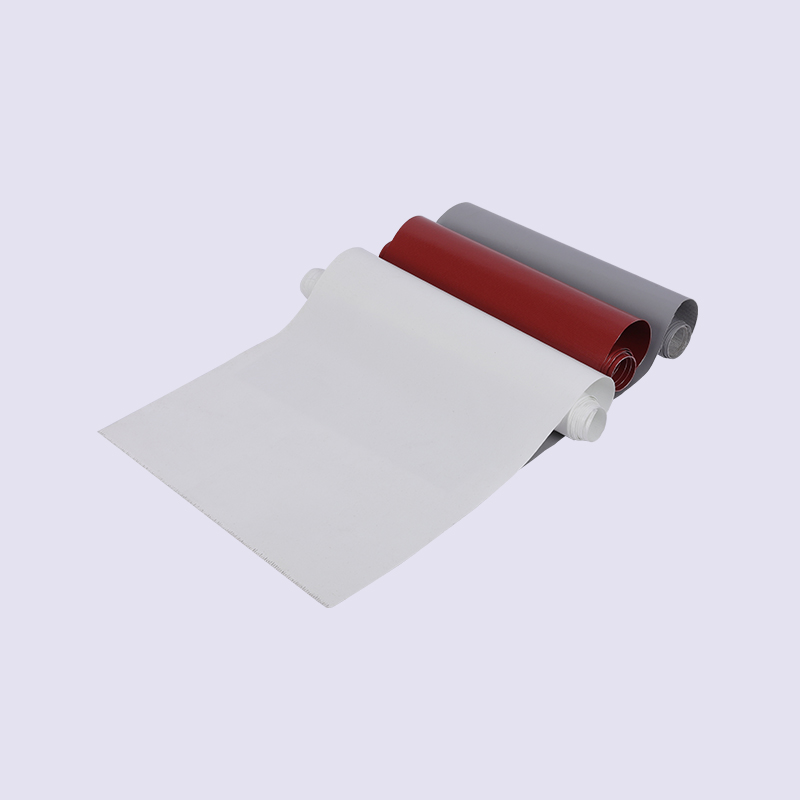
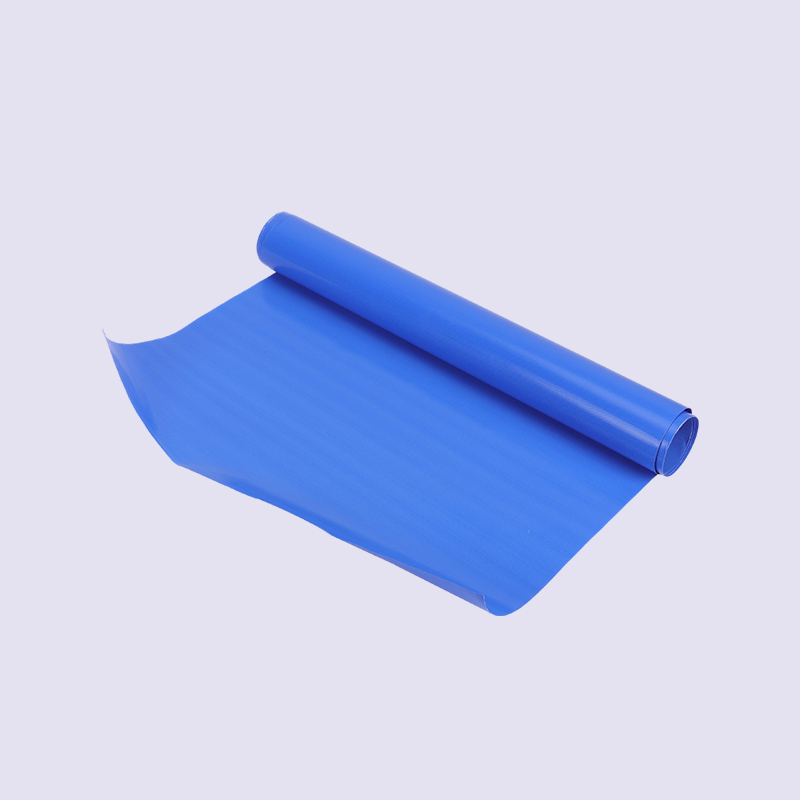
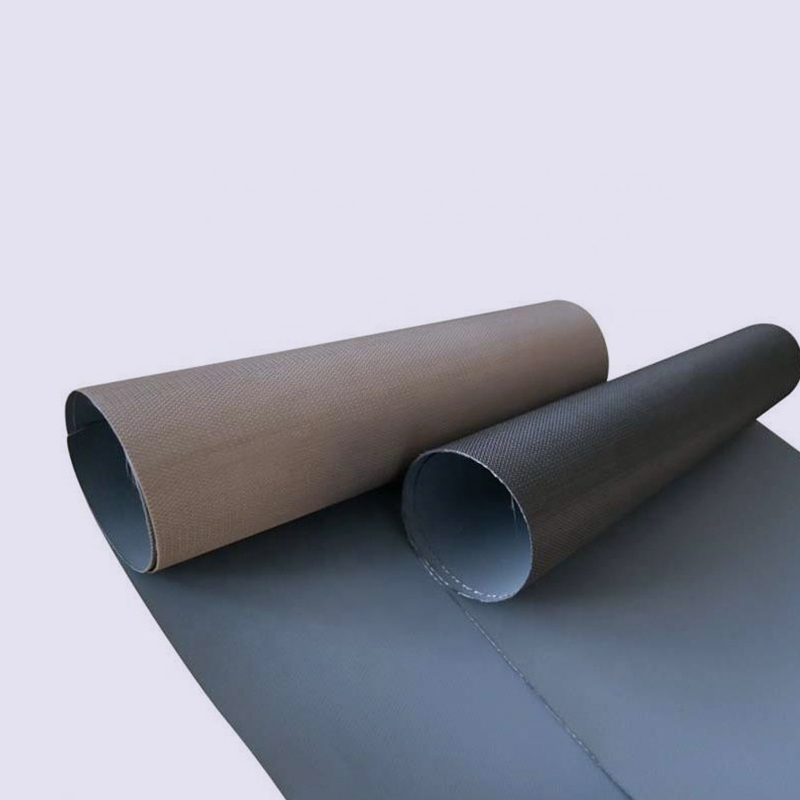
Silicone coated fiberglass fabric is an engineered composite material formed by applying one or two layers of silicone rubber onto a woven fiberglass base cloth. The result is a highly versatile material that combines the structural strength and dimensional stability of fiberglass with the flexibility, heat resistance, and chemical inertness of silicone. This combination produces a fabric capable of withstanding continuous temperatures up to 260°C (500°F) and short-term exposure to temperatures as high as 315°C (600°F), while remaining flexible enough to be cut, sewn, and formed into complex shapes.
Unlike plain fiberglass cloth, which can be brittle and prone to surface abrasion, the silicone coating acts as a protective barrier that shields the glass fibers from moisture, chemicals, and mechanical wear. The coating also improves the fabric's grip and sealing properties, making it suitable for gasketing, cladding, and insulation applications where a bare fiberglass cloth would fail. Understanding where and how to apply this material correctly is essential for engineers, procurement specialists, and fabricators who need reliable performance under demanding conditions.
Key Industries and Core Applications
Silicone coated fiberglass fabric is used across a broad range of industries, each placing different demands on the material. The following table outlines the most common sectors and their primary use cases:
| Industry | Typical Applications | Key Performance Requirement |
| Industrial Manufacturing | Expansion joints, pipe wraps, heat blankets | Thermal resistance and flexibility |
| Aerospace and Defense | Firewall insulation, engine bay cladding | Flame retardancy and dimensional stability |
| HVAC and Building | Duct connections, fire curtains, smoke barriers | Smoke and flame containment |
| Food Processing | Conveyor belts, oven door seals, non-stick liners | FDA compliance and non-stick surface |
| Marine and Offshore | Cable transit seals, bulkhead wraps | Moisture resistance and fire protection |
| Automotive | Exhaust heat shields, turbo blankets, gaskets | Vibration resistance and high-cycle durability |
Each of these applications demands a slightly different product specification. A food-processing liner, for example, must meet FDA 21 CFR standards for direct food contact, requiring a platinum-cured silicone coating with minimal extractables. A turbo blanket, on the other hand, prioritizes mechanical toughness and resistance to oil splatter rather than regulatory compliance. Matching the product grade to the actual operating environment is one of the most important decisions in any application project.
How to Select the Right Fabric Grade
Not all silicone coated fiberglass fabrics are interchangeable. Manufacturers offer a range of thicknesses, coating weights, weave styles, and silicone formulations, and each variation affects performance. Before specifying a material, evaluate the following criteria carefully.
Coating Weight and Thickness
Coating weight is expressed in grams per square meter (GSM) and directly affects the fabric's durability, flexibility, and thermal protection level. Lightweight coated fabrics (around 200–400 GSM) are ideal for applications where conformability is critical, such as wrapping irregularly shaped pipes or forming flexible seals. Heavier coated fabrics (600–1000 GSM or more) offer greater puncture resistance and are better suited for static insulation pads, expansion joints, and high-abrasion surfaces. Choosing a coating weight that is too light for the mechanical demands of the application leads to premature coating delamination and fiber exposure.
Single-Sided vs. Double-Sided Coating
Single-sided coated fabrics are coated on one face only, leaving the reverse side with an exposed fiberglass texture. This configuration is useful when one face must bond to an adhesive backing or when cost is a primary concern. Double-sided fabrics offer complete encapsulation of the fiberglass yarns, providing superior moisture resistance, better chemical protection, and a consistent appearance on both surfaces. For applications involving chemical exposure, repeated handling, or outdoor installation, double-sided coating is almost always the better choice.
Silicone Formulation
The silicone compound itself can be formulated for different priorities. Standard silicone provides excellent general-purpose heat resistance. High-consistency rubber (HCR) silicone offers enhanced mechanical toughness and tear resistance. Platinum-cured silicone is used where purity matters, such as in pharmaceutical and food-contact applications. Some grades incorporate additives for enhanced UV stability, increased electrical insulation, or reduced smoke emission during fire exposure. Requesting a full material data sheet from the supplier and cross-referencing it against the operating conditions is a non-negotiable step before finalizing a specification.
Installation Best Practices
Even the best-specified fabric will underperform if installed incorrectly. The following practices apply to the majority of silicone coated fiberglass fabric installations and are drawn from fabrication and field-installation experience across industrial and commercial environments.
- Cut the fabric using sharp rotary cutters, ceramic-blade scissors, or a hot knife. Standard steel scissors tend to fray the fiberglass yarns at the cut edge. A hot knife simultaneously cuts and seals the edge, preventing yarn pullout and improving the finished appearance.
- When sewing silicone coated fiberglass fabric, use PTFE-coated or silicone-lubricated thread and a needle designed for heavy industrial textiles. Standard polyester or cotton thread will degrade rapidly at elevated temperatures and is not appropriate for high-heat seams.
- Avoid sharp bends or kinks during installation. While the fabric is flexible, repeatedly folding it at the same point can cause the silicone coating to crack and the underlying fiberglass yarns to fracture over time. Plan the routing of wraps and blankets to use gentle curves wherever possible.
- For expansion joint applications, ensure that the fabric is not installed in a pre-stressed or stretched position. The material must have enough slack to accommodate the full range of thermal expansion and contraction expected in the system. Over-tensioned expansion joints fail at the seams and attachment points.
- When using adhesive-backed grades, ensure the bonding surface is clean, dry, and free from oil or release agents before applying. Solvent wipe the substrate with isopropyl alcohol and allow it to dry completely before pressing the fabric into place.
Maintenance and Service Life Considerations
Silicone coated fiberglass fabric is designed to be a long-life material, but service life depends heavily on the consistency of operating conditions relative to the original specification. Thermal cycling — repeated heating and cooling — causes differential expansion between the silicone coating and the glass fiber substrate. Over thousands of cycles, this can cause micro-cracking in the coating, which eventually allows moisture and contaminants to reach the bare fibers. Inspection intervals should be established based on the number of thermal cycles per year, not just the calendar.
For most industrial installations, a visual and tactile inspection every 12 months is sufficient under normal operating conditions. Look for surface cracking, edge fraying, discoloration from chemical contact, and any areas where the fabric has become stiff or brittle. Brittle behavior indicates that the silicone binder has aged beyond its useful life and the fabric should be replaced before it fails in service. In applications where failure could result in a fire hazard or process contamination, more frequent inspection — quarterly or after every major maintenance shutdown — is advisable.
Cleaning is straightforward for most grades. Wipe down surfaces with a mild soap solution and a soft cloth. Avoid abrasive pads, wire brushes, or solvent cleaners such as MEK or acetone, which can swell or dissolve the silicone matrix. For food-processing environments, ensure that any cleaning agent used is approved for incidental food contact if the fabric surface may come into contact with product.
Common Mistakes to Avoid
The most frequent errors in silicone coated fiberglass fabric applications are not material failures — they are specification and installation errors that could have been avoided with better planning. The following mistakes account for the majority of premature failures seen in the field:
- Selecting a fabric based on price alone without verifying that the silicone formulation meets the actual temperature range. Many lower-cost fabrics are rated to only 180°C continuous, which is insufficient for applications near exhaust systems or industrial ovens running above 200°C.
- Assuming that all silicone coated fiberglass fabrics are food-safe. Only grades specifically manufactured with platinum-cured silicone and tested to FDA or EU food-contact standards are appropriate for food processing environments.
- Using standard metal fasteners to attach the fabric directly to high-temperature surfaces without insulating washers or standoffs. The fastener conducts heat into the fabric at the attachment point, causing localized thermal degradation far faster than the rest of the material.
- Storing the fabric in damp or chemically contaminated environments before installation. Prolonged exposure to moisture before installation can weaken the adhesion between the silicone coating and the fiberglass substrate, reducing peel strength and service life.
Getting the Most from Your Specification
Silicone coated fiberglass fabric delivers excellent performance when the right grade is matched to the right application and installed using appropriate techniques. The key is to treat the specification process as a technical exercise rather than a commodity purchase. Define the maximum continuous operating temperature, the peak short-term temperature, the chemical environment, the mechanical loads, any regulatory compliance requirements, and the expected service interval before approaching a supplier. A well-defined specification makes it straightforward to select the correct coating weight, silicone formulation, and weave style — and it gives you a clear benchmark for evaluating competing products.
Working with a supplier who can provide full material data sheets, third-party test reports, and application engineering support is worth the effort. The cost difference between a correctly specified fabric and a generic substitute is typically small relative to the total installation cost, but the performance difference over a multi-year service life can be substantial. Prioritizing technical fit over unit price is consistently the more economical decision when total cost of ownership is factored in.
PREV: What Makes PTFE Fiberglass Fabric the Ultimate High-Performance Industrial Material? It is the last article


Copyright © Jiangsu Bocheng New Tech Materials Co., Ltd. All Rights Reserved. Silicone PTFE Composite Material Solutions
