
 Language
  English
 Español
What Makes PTFE Coated Glass Fiber Fabric the Ultimate Industrial Material?
News-If you've ever wondered why certain industrial materials can withstand extreme heat, aggressive chemicals, and years of continuous use without degrading, the answer often comes down to one material: PTFE coated glass fiber fabric. This specialized composite material has become indispensable across dozens of industries — from food processing to aerospace — and understanding it fully can help engineers, procurement managers, and manufacturers make smarter material choices.
What Is PTFE Coated Glass Fiber Fabric?
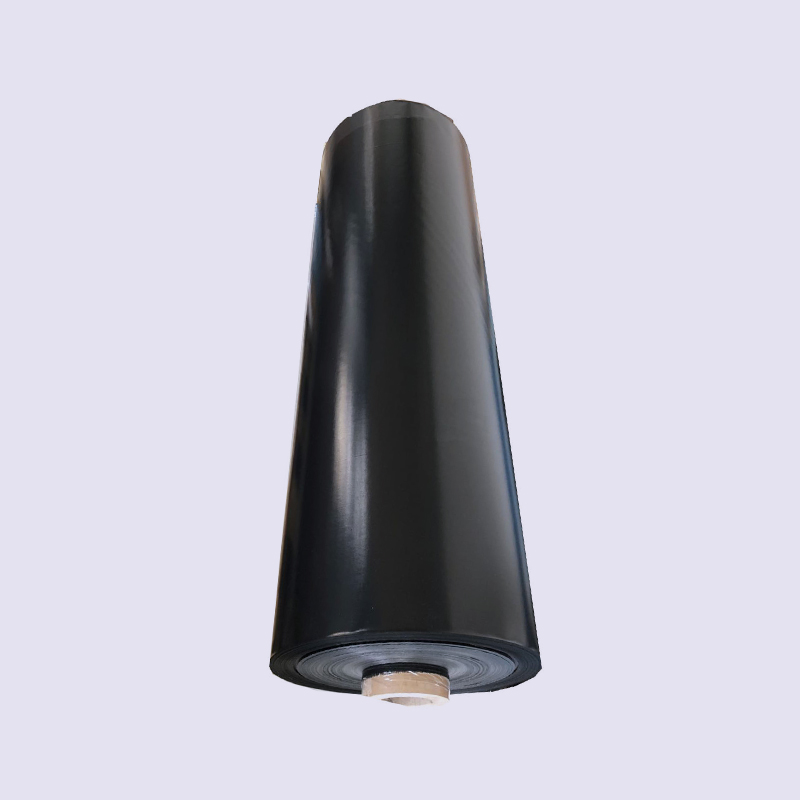
PTFE coated glass fiber fabric — also commonly referred to as PTFE fiberglass fabric — is a composite material created by impregnating or coating a woven fiberglass base cloth with polytetrafluoroethylene (PTFE) resin. The result is a highly engineered material that combines the structural strength and dimensional stability of fiberglass with the chemical inertness, non-stick surface, and thermal resistance of PTFE.
PTFE itself is the polymer behind well-known brand names like Teflon®. It is renowned for its extremely low coefficient of friction, broad chemical resistance, and ability to perform in temperatures ranging from -70°C to over 260°C. When applied to a fiberglass substrate, these properties are retained while the base fabric adds tensile strength, tear resistance, and dimensional integrity that pure PTFE films cannot provide on their own.
The manufacturing process typically involves multiple coating passes, with each layer of PTFE dispersion applied and sintered at high temperature to bond permanently with the glass fiber weave. The final product is a smooth, chemically stable fabric with consistent thickness and performance characteristics across its entire surface.
Key Physical and Chemical Properties
Understanding what PTFE fiberglass fabric offers technically is essential for selecting the right grade for your application. The following properties define this material's performance profile:
- Temperature Resistance: Continuous operating range from -70°C to +260°C, with short-term excursions tolerable at slightly higher peaks. This makes it suitable for both cryogenic and high-heat industrial environments.
- Chemical Resistance: Virtually immune to attack from acids, bases, solvents, and most industrial chemicals. Only a handful of substances — such as molten alkali metals and certain fluorinating agents — can degrade PTFE.
- Non-Stick Surface: The exceptionally low surface energy of PTFE prevents adhesion of resins, adhesives, food products, and other sticky materials, making release and cleaning straightforward.
- Low Friction Coefficient: Typically 0.05–0.20, among the lowest of any solid material, enabling smooth material transport and reduced mechanical wear.
- Dielectric Properties: Excellent electrical insulation characteristics across a wide frequency range, making the fabric valuable in electronics and antenna applications.
- Dimensional Stability: The fiberglass core resists stretching and deformation under load, maintaining precise dimensions even at elevated temperatures.
- UV and Weather Resistance: PTFE does not degrade under ultraviolet radiation or prolonged outdoor exposure, enabling long service life in architectural and outdoor applications.
Common Types and Grades Available
PTFE fiberglass fabrics are not one-size-fits-all. Manufacturers produce a wide range of grades differentiated by thickness, PTFE content, weave style, and surface finish. Choosing the correct type is critical to performance and cost-effectiveness.
| Type | Thickness Range | Typical Application |
| Light-duty fabric | 0.08 – 0.13 mm | Heat sealing, packaging machinery |
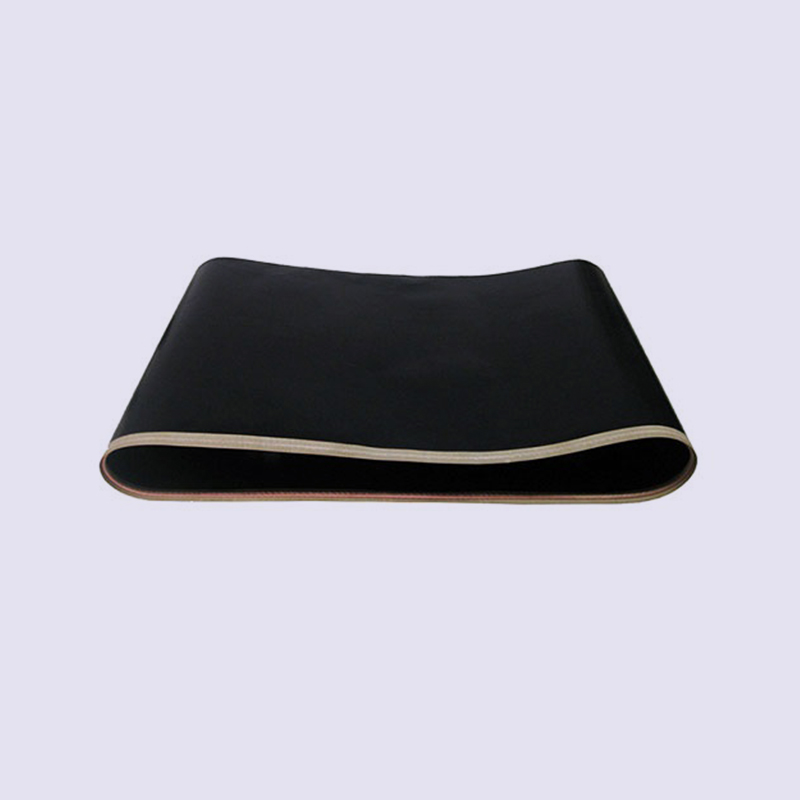
| Medium-duty fabric | 0.13 – 0.25 mm | Conveyor belts, drying tunnels |
| Heavy-duty fabric | 0.25 – 1.0 mm | Expansion joints, architectural membranes |
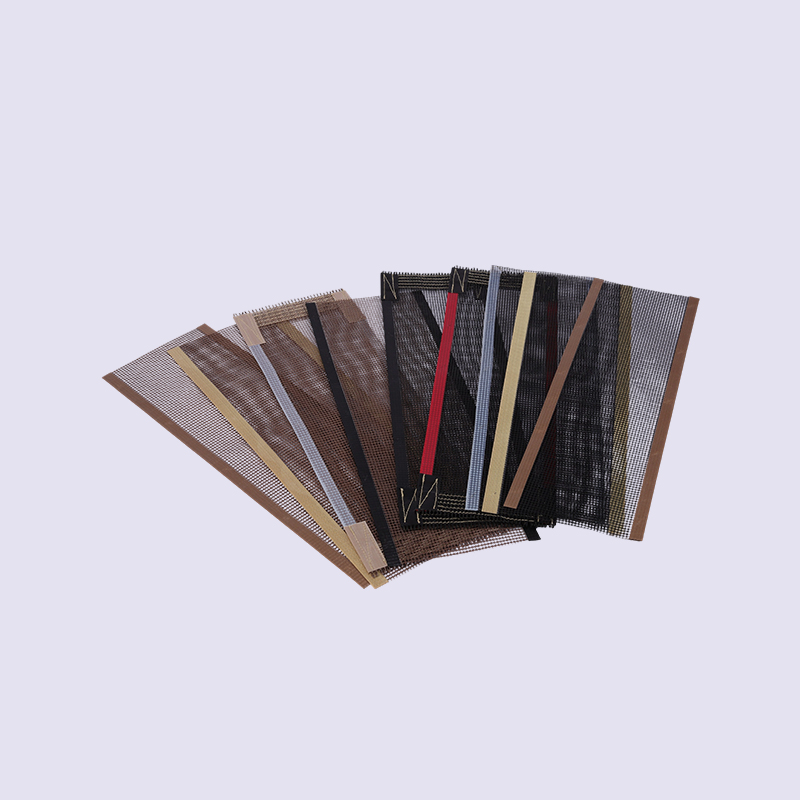
| Open mesh fabric | Varies | Air-permeable drying, screen printing |
| Adhesive-backed fabric | Varies | Lining surfaces, roll wrapping |
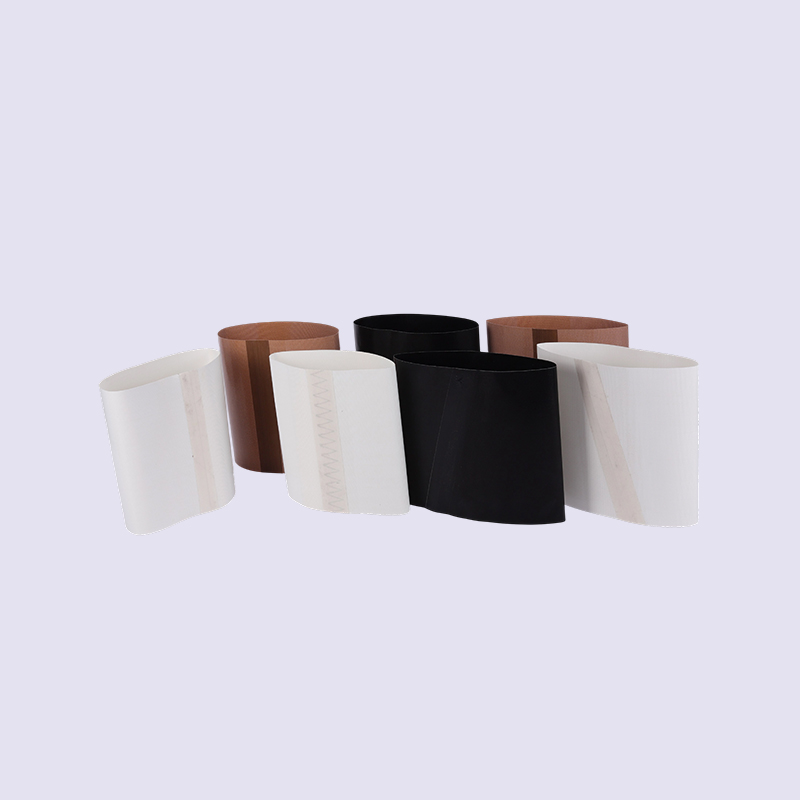
Surface finish also plays a significant role. Smooth-surface fabrics offer superior release properties, while textured or open-weave versions allow airflow or provide better grip for specific conveying applications. PTFE content by weight typically ranges from 40% to 65%, with higher loadings delivering better chemical resistance and surface performance at a higher cost.
Where Is PTFE Fiberglass Fabric Used?
The unique combination of properties found in PTFE coated glass fiber fabric has driven its adoption across a remarkably broad range of industries. The following are the most significant application sectors:
Food Processing and Packaging
PTFE fiberglass fabric is widely used as a liner and conveyor surface in bakery ovens, continuous cooking tunnels, and food packaging lines. Its non-stick surface ensures products release cleanly without the need for oils or release agents. The FDA-compliant nature of PTFE means it is safe for direct food contact, and its resistance to steam cleaning and sanitizing chemicals keeps hygiene standards high.
Industrial Heat Sealing
Heat sealing machines in packaging industries rely on PTFE fiberglass pads and strips to prevent plastic films from sticking to hot sealing bars. The material endures thousands of sealing cycles per day without degrading, making it a cost-effective consumable. Its thermal stability ensures precise heat transfer while its non-stick surface guarantees clean seals and minimal downtime for cleaning.
Electrical and Electronics
In circuit board manufacturing and high-frequency antenna systems, PTFE fiberglass laminates are used as the substrate material. The low dielectric constant and loss tangent of PTFE make it an ideal insulating material for high-speed signal transmission. Sheets are also used as insulating barriers in transformers and electrical enclosures where temperature extremes are common.
Architectural and Construction
Tensile membrane structures — such as stadium roofs, airport canopies, and large public structures — often use heavy-duty PTFE fiberglass fabric as the primary cladding material. It offers a translucent appearance, allowing diffused natural light to pass through while providing excellent weatherproofing, fire resistance, and a service life that can exceed 30 years with minimal maintenance.
Chemical Processing
Expansion joints, gaskets, and pipe wrapping in chemical plants take advantage of PTFE fiberglass fabric's exceptional chemical inertness. It creates a barrier that prevents corrosive media from attacking underlying metal structures while maintaining flexibility and withstanding thermal cycling. Duct expansion joints made from this material can accommodate movement while resisting harsh fumes and elevated temperatures simultaneously.
How to Select the Right PTFE Fiberglass Fabric
With so many grades and configurations available, selecting the correct PTFE coated glass fiber fabric requires a structured evaluation of your operating conditions and performance requirements. Consider the following factors carefully:
- Operating Temperature: Confirm both the continuous and peak temperatures the fabric will experience. Standard grades handle up to 260°C, but if your process involves frequent spikes, verify the fabric's rated short-term exposure limits with the supplier.
- Chemical Exposure: Identify all chemicals the fabric will contact and cross-check against PTFE chemical resistance charts. While PTFE resists most substances, certain halogenated compounds and strong oxidizers at elevated temperatures merit verification.
- Mechanical Load: Determine whether the fabric will be under tension, used as a conveyor belt, or subjected to abrasion. Heavier weaves and higher fiberglass content provide greater tensile strength and tear resistance for demanding mechanical environments.
- Surface Requirements: If non-stick release is the primary need, choose a smooth, high-PTFE-content surface. For applications requiring airflow, an open mesh structure is more appropriate.
- Regulatory Compliance: For food contact, pharmaceutical, or medical applications, ensure the fabric meets relevant certifications such as FDA, EU food contact regulations, or RoHS requirements for electronics.
- Dimensional Tolerances: Specify required width, length, and thickness tolerances to ensure the fabric fits your machinery without modification or performance compromise.
Maintenance, Handling, and Service Life
One of the practical advantages of PTFE coated glass fiber fabric is its ease of maintenance. The non-stick surface can be wiped clean with a damp cloth or rinsed with water in most applications. For more stubborn contaminants, mild solvents or dilute cleaning solutions can be used without damaging the coating. Abrasive scrubbing should be avoided as it can gradually wear the PTFE surface layer.
During handling and installation, sharp bends and creasing should be avoided, as repeatedly folding the fabric at the same point can crack the PTFE coating and weaken the fiberglass yarns underneath. Store rolls flat or horizontally on a tube core in a clean, dry environment away from prolonged direct sunlight, even though PTFE itself is UV stable — the packaging and storage conditions can affect the fiberglass substrate over time.
Service life varies considerably depending on the application. In continuous conveyor belt applications running at high temperatures, well-maintained belts typically last 1–3 years. In architectural membrane applications with lower mechanical stress, service lives of 25–35 years are commonly achieved. Regular visual inspection for coating wear, edge fraying, or fiber damage helps identify replacement needs before failure occurs.
Why PTFE Fiberglass Fabric Outperforms Alternatives
Comparing PTFE coated glass fiber fabric against competing materials highlights exactly why it commands a premium price point and loyal adoption across industries. Silicone-coated fiberglass offers similar flexibility but falls short on chemical resistance and non-stick performance. Plain PTFE films provide excellent surface properties but lack the tensile strength and dimensional stability of the fiberglass-reinforced composite. Stainless steel belts handle high loads but cannot match PTFE's chemical inertness, non-stick characteristics, or light weight. For applications that demand multiple high-performance properties simultaneously — heat, chemicals, release, and durability — PTFE fiberglass fabric consistently delivers where single-material alternatives cannot.
The total cost of ownership also favors PTFE fiberglass fabric in most industrial contexts. Its long service life, minimal maintenance requirements, and elimination of release agents or lubricants offset the higher initial material cost compared to untreated alternatives. When downtime costs are factored in, the economic case for specifying PTFE coated glass fiber fabric becomes even stronger for high-throughput production environments.


Copyright © Jiangsu Bocheng New Tech Materials Co., Ltd. All Rights Reserved. Silicone PTFE Composite Material Solutions
