
 Language
  English
 Español
High Temperature PTFE Sealing Belt: Properties, Specifications, and Industrial Applications
News-What Is a High Temperature PTFE Sealing Belt and How It Differs From Standard Sealing Materials
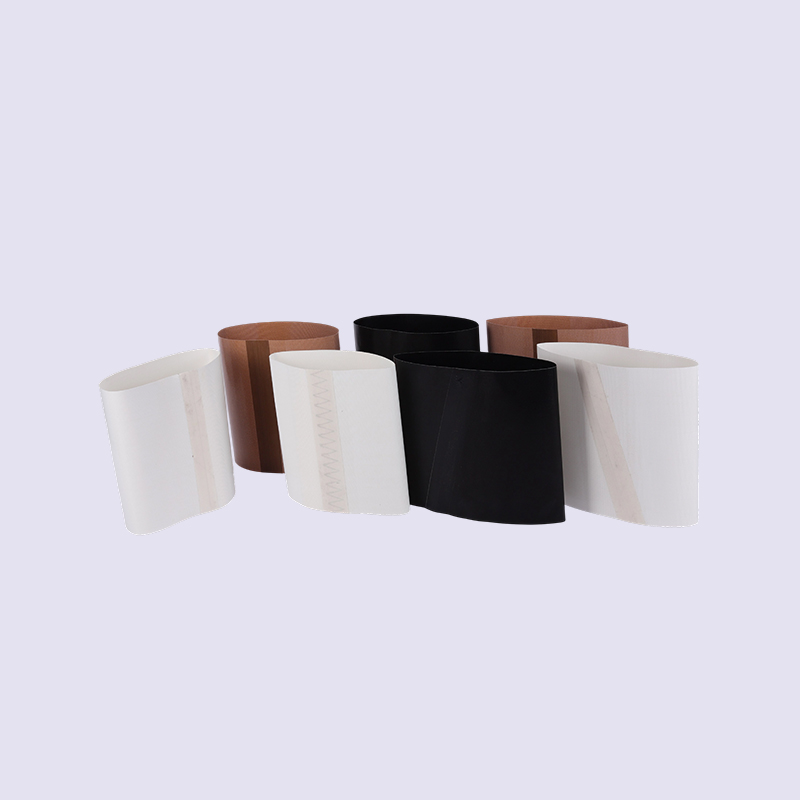
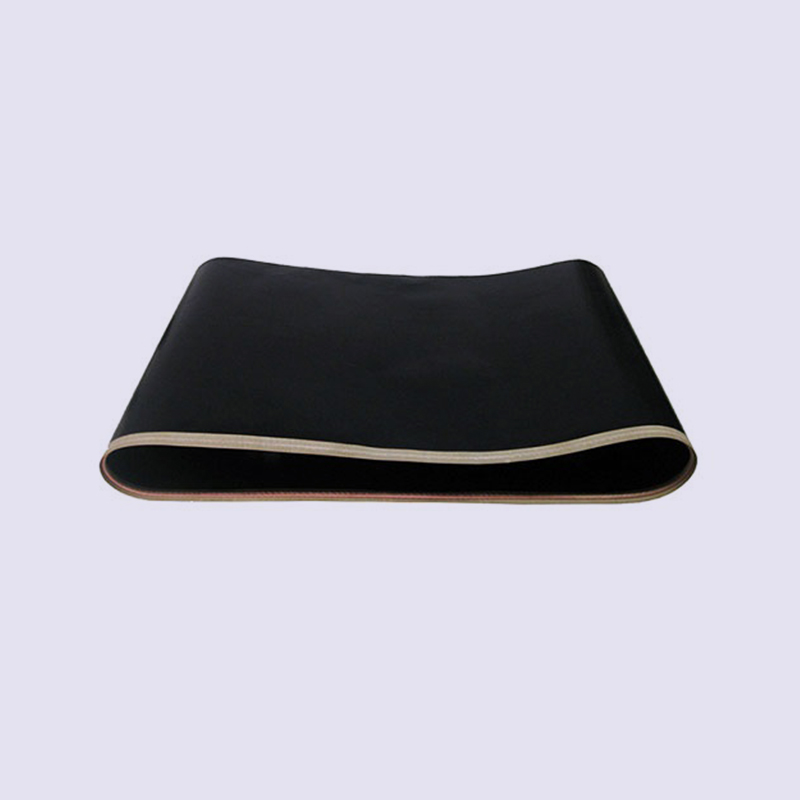
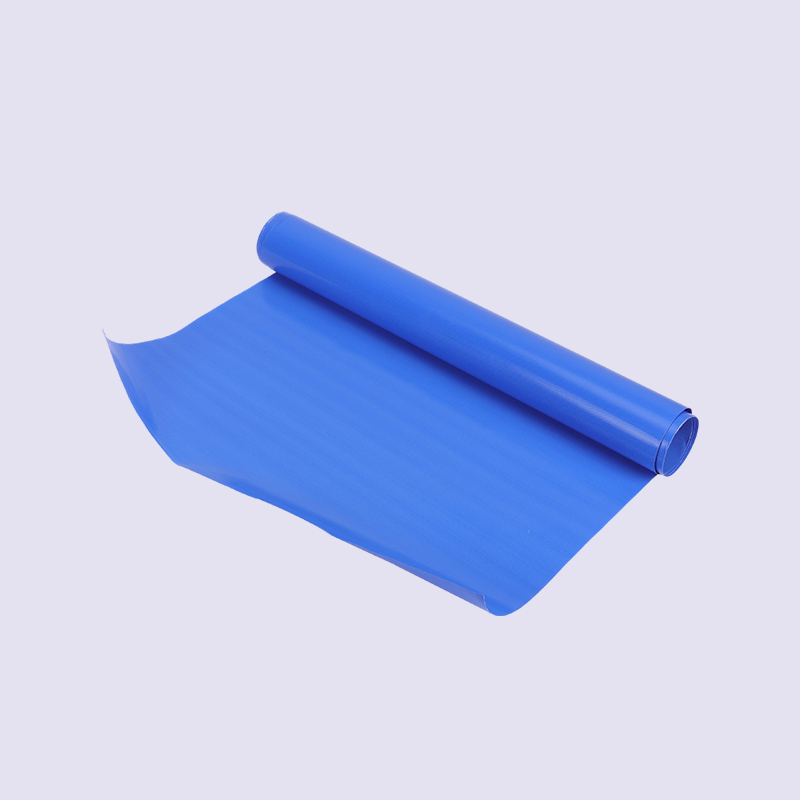
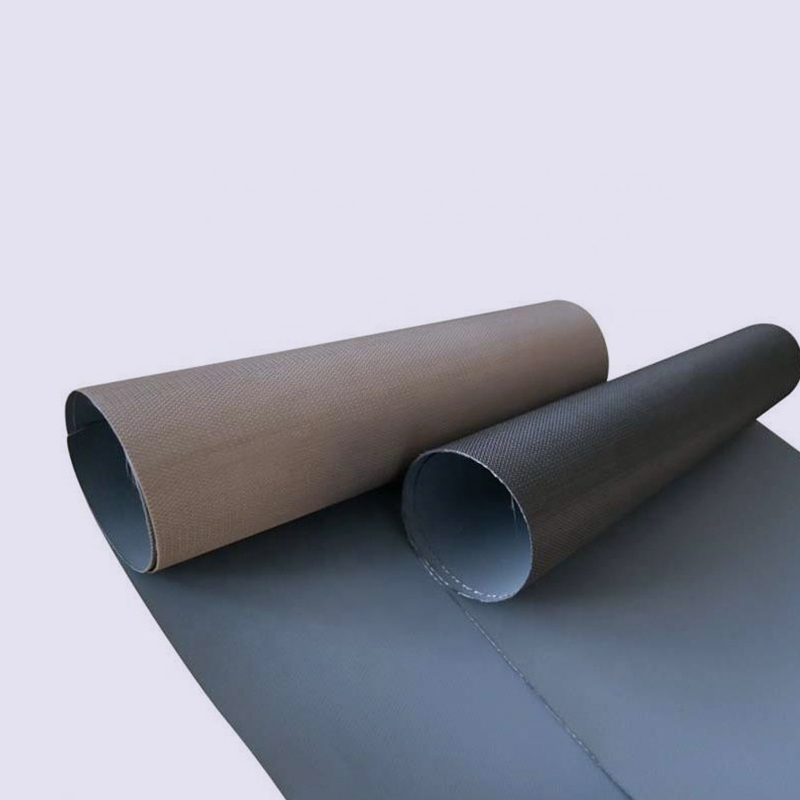
A high temperature PTFE sealing belt is a continuous or cut-length strip of polytetrafluoroethylene — most commonly in the form of a woven fiberglass fabric coated with PTFE resin on both surfaces — designed to create reliable, heat-resistant seals in industrial machinery operating at elevated temperatures. Unlike conventional rubber gaskets, silicone sealing strips, or compressed fiber seals that degrade, harden, or lose dimensional stability when exposed to sustained high temperatures, PTFE sealing belts maintain their sealing function, dimensional integrity, and chemical inertness across a continuous service temperature range of −70°C to +260°C, with short-term excursions tolerated to approximately 280°C in some formulations.
The distinction between a PTFE sealing belt and a standard PTFE sheet or tape lies in the construction and the specific application context. PTFE sealing belts used in heat sealing machinery — impulse sealers, band sealers, continuous heat sealing systems, and vacuum packaging equipment — serve a dual function: they act as a non-stick release surface that prevents hot packaging film from adhering to the sealing jaw, and simultaneously provide thermal insulation that protects the underlying jaw structure. In other industrial contexts, such as pipe flange sealing, valve packing, and pump sealing applications, PTFE sealing belts provide a conformable, chemically resistant sealing interface that accommodates surface irregularities and maintains compression set resistance over extended service periods. In both contexts, the high-temperature capability of PTFE is the defining requirement that no lower-cost alternative consistently meets.
Material Construction of PTFE Sealing Belts
The performance of a high temperature PTFE sealing belt depends directly on the quality and construction of its constituent layers. Understanding this construction enables procurement engineers and maintenance technicians to evaluate products on technical merit and specify correctly for their application requirements.
Woven Fiberglass Base Fabric
The structural core of most PTFE sealing belts is a woven fiberglass fabric — a grid of E-glass yarns woven in both warp and weft directions to produce a dimensionally stable base that provides tensile strength and resistance to elongation under the tension loads imposed during continuous belt operation. The fiberglass weave construction determines the belt's tensile strength, tear resistance, and dimensional stability during thermal cycling. Tighter weave counts and heavier yarn deniers produce belts with higher tensile strength and lower elongation, which is important for maintaining consistent belt tracking and tension in continuous band sealer applications. The fiberglass base fabric is inherently temperature-resistant — E-glass maintains structural integrity to approximately 475°C — meaning that the temperature limit of the composite belt is determined by the PTFE coating rather than the fiberglass substrate.
PTFE Coating Layers
The fiberglass base fabric is coated with PTFE resin through a multi-pass impregnation and sintering process. In each pass, the fabric is saturated with PTFE dispersion, dried to remove solvent or water carrier, and then sintered at temperatures above the PTFE crystalline melting point (approximately 327°C) to fuse the PTFE particles into a continuous, void-free coating. Multiple coating passes — typically 4 to 12 depending on the target thickness and coating weight — build up the PTFE coating to the specified total thickness and weight. The number of coating passes, the concentration of PTFE dispersion used, and the sintering temperature profile are critical process variables that determine coating uniformity, adhesion to the fiberglass substrate, and the density of the finished PTFE layer. A well-sintered PTFE coating with no voids or discontinuities provides the maximum non-stick performance, chemical resistance, and dielectric strength — while an incompletely sintered coating may appear visually similar but will exhibit inferior performance in service.

Surface Finish Options
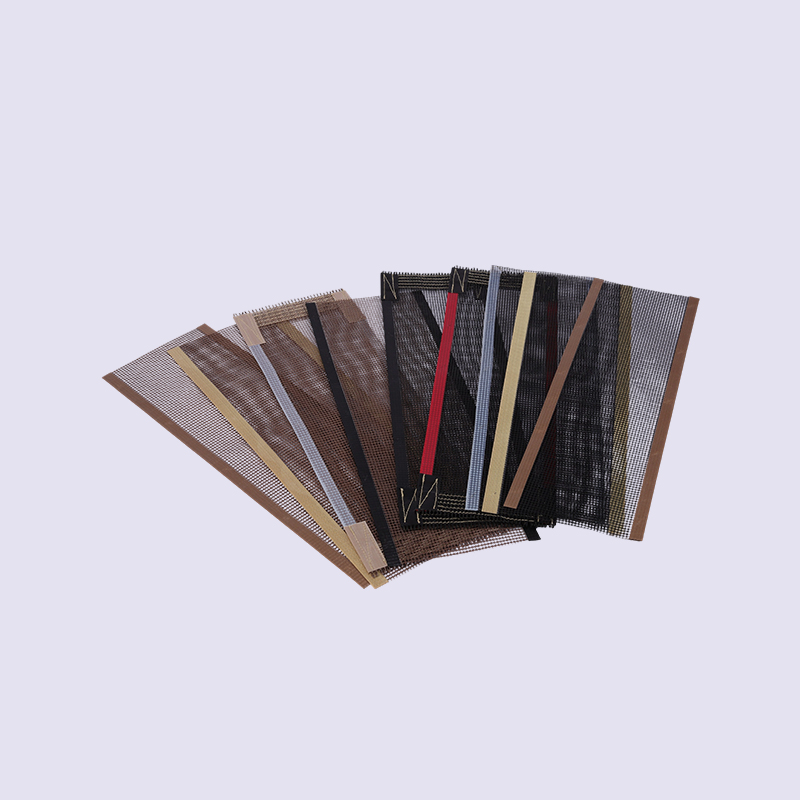
High temperature PTFE sealing belts are produced in several surface finish variants that affect their non-stick performance, sealing contact characteristics, and visual inspection capability. The standard smooth finish provides the highest non-stick performance and is preferred for food packaging and heat sealing applications where product residue accumulation on the belt surface must be minimized. Textured or embossed surface finishes are used in applications where some surface grip is required — for instance, conveying applications where the belt must move product without slippage while still providing a non-stick release surface. Open mesh PTFE belts, where the weave of the fiberglass base is visible and the PTFE coating does not fully close the interstitial spaces, are used in drying and curing applications where airflow through the belt is required while still maintaining the non-stick and temperature-resistant surface properties of the PTFE coating.
Key Technical Specifications of High Temperature PTFE Sealing Belts
Specifying the correct PTFE sealing belt for a given application requires evaluation of a defined set of technical parameters. The following table summarizes the principal specifications relevant to high temperature sealing belt procurement and application engineering:
| Parameter | Typical Specification Range | Significance |
| Continuous service temperature | −70°C to +260°C | Defines operating envelope without degradation |
| Total thickness | 0.08 mm to 3.0 mm | Affects thermal insulation and conformability |
| PTFE coating weight | 100 to 1,000 g/m² | Determines non-stick layer durability |
| Tensile strength (warp / weft) | 500–3,500 N/5cm | Belt load capacity and tear resistance |
| Elongation at break | 3–8% | Low elongation ensures stable belt tracking |
| Dielectric strength | 10–60 kV/mm | Electrical insulation capability |
| Chemical resistance | Resistant to nearly all chemicals | Compatibility with process media |
| Available widths | 5 mm to 2,500 mm | Must match sealing jaw or equipment width |
| Coefficient of friction (surface) | 0.05–0.20 | Governs release and conveying behavior |
Thickness selection deserves particular attention. Thinner belts in the 0.08 to 0.25 mm range provide less thermal insulation between the heating element and the sealing jaw surface, which can be advantageous in applications requiring rapid heat transfer to the sealing interface but may result in shorter belt service life due to heat concentration effects at the belt surface. Thicker belts in the 0.5 to 1.5 mm range provide greater thermal buffering, extend the time before heat reaches the belt surface and initiates degradation, and offer better conformability to minor surface irregularities in the sealing jaw — but add thermal mass that slows the sealing cycle if heating rate is a production constraint. Matching thickness to the thermal design of the sealing equipment is an application engineering decision that benefits from consultation with both the equipment manufacturer and the PTFE belt supplier.
Heat Sealing Machine Applications: How PTFE Sealing Belts Function in Service
In heat sealing machinery — the most common application context for high temperature PTFE sealing belts — the belt serves as the interface between the heated sealing jaw and the packaging film being sealed. Understanding how the belt functions in this context helps operators recognize the causes of premature belt failure and implement practices that maximize service life.
In a continuous band sealer, the PTFE belt runs as a continuous loop over a drive pulley, a tension pulley, and across the heated sealing jaw surface. Packaging film passes between the upper and lower belt loops, is compressed between the sealing jaws, and the combination of heat conducted through the belt and the contact pressure applied by the jaw melts and fuses the film layers to create the seal. The belt must release the sealed film cleanly at the exit of the sealing zone without film sticking or tearing — a function provided by the inherent low surface energy of the PTFE coating. The belt then passes around the pulleys and returns to repeat the cycle, with typical belt speeds of 0.5 to 15 meters per minute and sealing jaw temperatures of 150 to 230°C for common packaging film types including polyethylene, polypropylene, and laminated foil structures.
In impulse sealers and bar sealers, the PTFE belt is used as a static pad fixed over the sealing element rather than as a moving belt. A nichrome heating wire embedded in the sealing element heats rapidly when current is applied, with the PTFE pad providing the non-stick sealing surface and protecting the heating wire from direct contact with the packaging film. The impulse cycle — heat on, seal, cool, release — creates a more demanding thermal fatigue environment for the PTFE pad than continuous belt operation, as the material is subjected to repeated rapid thermal cycling from ambient to sealing temperature and back, which accelerates the delamination of the PTFE coating from the fiberglass substrate if the coating quality is insufficient or the operating temperature exceeds the belt's rating.
Industrial Applications Beyond Heat Sealing Machinery
While heat sealing equipment represents the highest-volume application for PTFE sealing belts, the material's combination of high-temperature stability, chemical inertness, and dimensional consistency makes it valuable across a broad range of other industrial processes where sealing at elevated temperatures is required.
- Food processing conveyor and drying systems: In tunnel ovens, batch driers, and continuous cooking conveyors used in food processing, PTFE-coated fiberglass belts serve as the conveying surface for food products passing through heated zones at temperatures up to 260°C. The non-stick surface prevents food adhesion and facilitates easy cleaning, while the PTFE coating's FDA-compliant food contact status satisfies food safety regulatory requirements across most markets.
- Textile and lamination finishing: Textile heat-setting calenders, lamination presses, and embossing machines use PTFE sealing belts as release surfaces between the heated rolls and the fabric or film substrate. The belt prevents adhesion of thermoplastic coatings and adhesives to the calender roll surface while withstanding the combination of heat, pressure, and chemical exposure from textile finishing agents.
- PCB and electronics manufacturing: In printed circuit board reflow soldering conveyors and wave soldering preheat zones, PTFE belts convey PCB assemblies through high-temperature processing zones at 200 to 260°C. The belt's dimensional stability at temperature, electrical insulation properties, and resistance to flux residues and soldering chemicals make it the preferred conveying surface material in this demanding electronics manufacturing environment.
- Chemical processing pipe and flange sealing: Cut sections of PTFE sealing belt are used as gasket and flange sealing material in chemical processing pipework carrying corrosive acids, alkalis, and solvents at elevated temperatures. The compressibility of the PTFE layer accommodates flange face irregularities, while the fiberglass reinforcement prevents gasket blowout under internal pipeline pressure. PTFE-encapsulated spiral wound gaskets and PTFE envelope gaskets for chemical flanges draw on the same material principles as sealing belt construction.
- Rubber and plastics vulcanization presses: Compression molding and vulcanization presses use PTFE sealing belts as release sheets between the heated press platens and the rubber or plastic charge being molded. The belt prevents adhesion of the molded compound to the platen surface, withstands the combination of elevated temperature (typically 150 to 200°C) and hydraulic press pressure, and can be reused for many molding cycles before replacement is required.
Factors That Determine Service Life of PTFE Sealing Belts
The service life of a high temperature PTFE sealing belt is not fixed — it varies widely depending on operating conditions, installation quality, and maintenance practices. Understanding the failure mechanisms that limit belt life enables operations and maintenance teams to extend belt replacement intervals and reduce the total cost of consumable parts in heat sealing and processing equipment.
- Operating temperature relative to rating: Operating a PTFE sealing belt continuously at or above its rated maximum temperature of 260°C accelerates the oxidative degradation of the PTFE coating, causing progressive embrittlement, surface crazing, and eventually coating delamination from the fiberglass substrate. Maintaining sealing jaw temperatures at least 10 to 20°C below the belt's rated maximum — using the minimum temperature that achieves the required seal quality — is the single most effective measure for extending belt service life.
- Pulley alignment and belt tracking: Misaligned pulleys in continuous belt sealers create uneven tension distribution across the belt width, concentrating mechanical stress at one edge and causing progressive edge fraying, cracking, and belt walk-off the sealing jaw. Regular pulley alignment checks and belt tracking adjustment — typically performed at each maintenance interval — prevent the edge damage that is one of the most common causes of premature belt failure in band sealer applications.
- Contamination with incompatible materials: Contact with certain materials can chemically degrade the PTFE coating and dramatically shorten belt service life. Strong oxidizing acids — concentrated nitric acid, chromic acid, fluorine gas — attack PTFE at elevated temperatures. Alkali metals and certain organic solvents can penetrate the PTFE structure at high temperatures. In food processing applications, sugar-containing products caramelized onto the belt surface can bake on and require abrasive cleaning that damages the PTFE coating. Identifying and controlling contamination sources is an important element of belt service life management.
- Mechanical abuse during installation and removal: PTFE sealing belts, while mechanically robust in service, can be damaged during installation if subjected to sharp bending, kinking, or contact with sharp metal edges during fitting onto sealing jaws or around pulleys. Using the correct installation technique — working the belt onto the jaw gradually with even tension, avoiding any folding of the belt — prevents installation-induced damage that would immediately compromise service life.
Selecting and Sourcing the Right PTFE Sealing Belt for Your Application
Selecting the correct high temperature PTFE sealing belt requires a systematic approach to application analysis that goes beyond simply matching the physical dimensions of the belt to the equipment. The thermal conditions, mechanical loads, chemical exposures, and required service life of the specific application must all be factored into the specification to avoid the cost and operational disruption of premature belt failure or under-specified performance.
Begin by documenting the maximum operating temperature of the sealing jaw or processing zone, the belt running speed and tension, the width and length required, and any chemical exposures the belt surface will encounter from the product being sealed or processed. Cross-reference these parameters against the supplier's published specification data, paying particular attention to the continuous service temperature rating, tensile strength per unit width, coating weight, and any food contact or FDA compliance certifications required for food and pharmaceutical packaging applications. Request material data sheets and, where available, test reports from the supplier rather than relying on catalog specifications alone — particularly for coating weight, thickness tolerance, and dielectric strength, which are quality parameters that vary between manufacturers and production batches.
For joining methods in continuous belt configurations, the quality of the splice — whether a clipper-style mechanical lace joint, a skived and overlap-bonded joint, or a butt-welded joint — directly affects belt running smoothness and the durability of the loop under continuous cycling. Mechanical clipper joints are the most common and easiest to apply in the field but create a slight discontinuity at the sealing surface that may leave a mark on the sealed product. Overlap-bonded joints using PTFE-compatible adhesive create a smoother running surface but require careful preparation and curing. For critical sealing applications where joint marks on the product are unacceptable, specifying an endless woven belt — where the fiberglass base fabric is woven in a continuous loop with no splice — eliminates the joint entirely, at higher initial cost but with superior running characteristics and seal quality.

Copyright © Jiangsu Bocheng New Tech Materials Co., Ltd. All Rights Reserved. Silicone PTFE Composite Material Solutions
