
 Language
  English
 Español
What Is Single Side Silicone Coated Fabric and How Do You Choose the Right Type for Your Application?
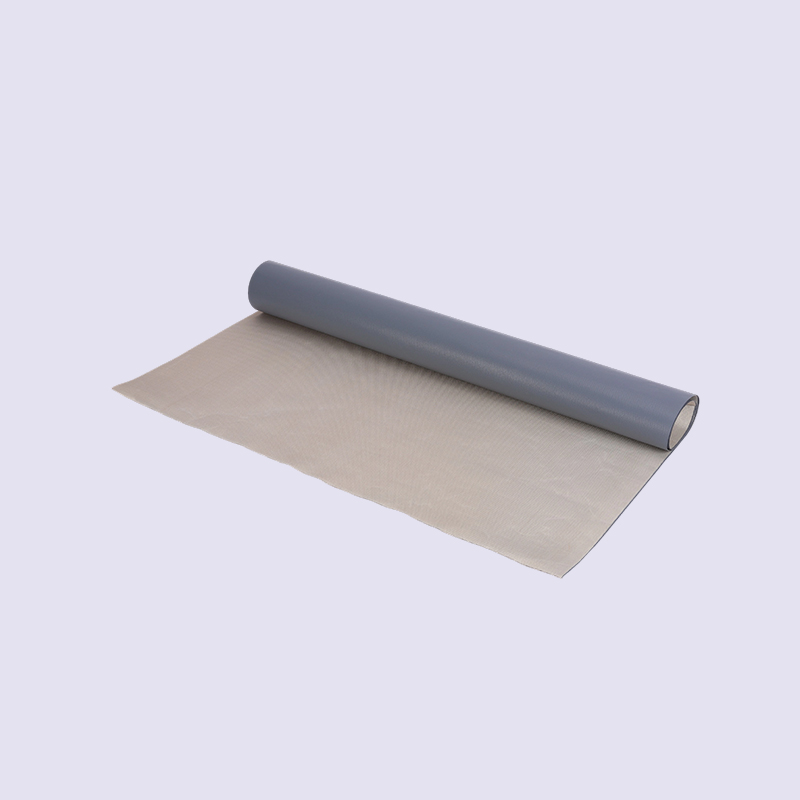
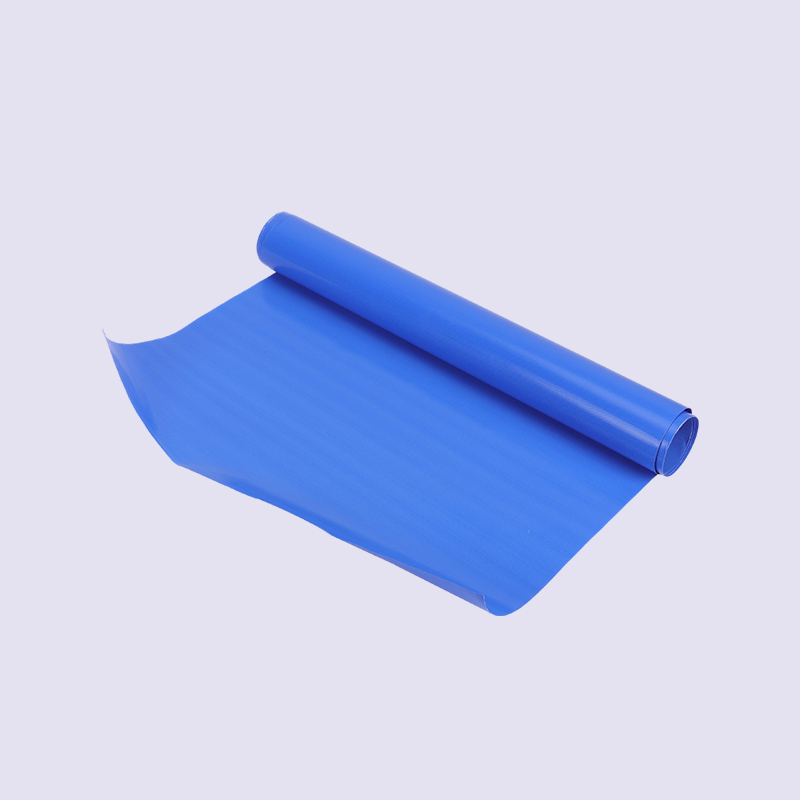
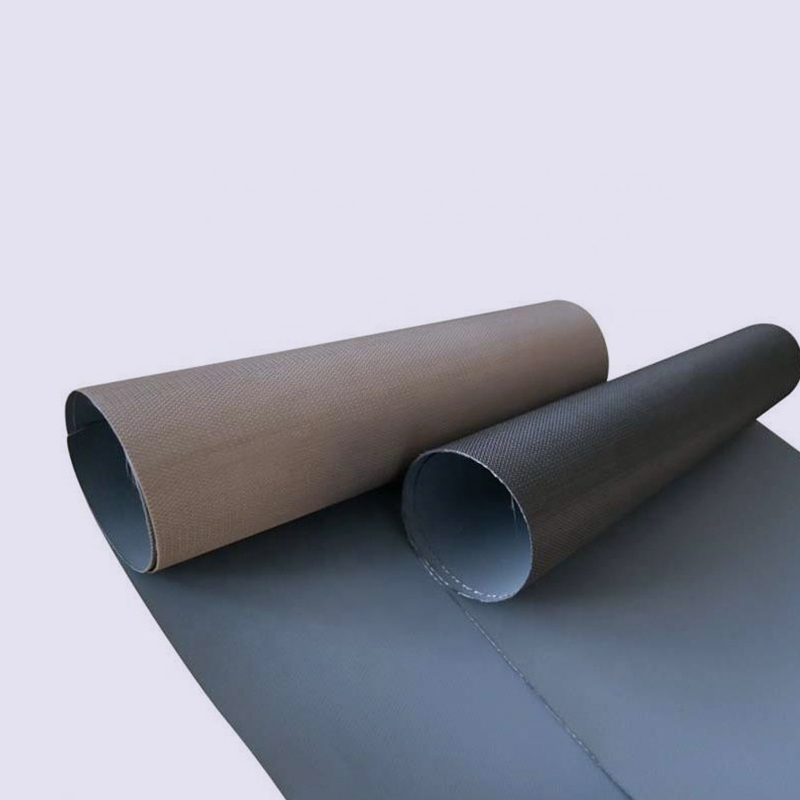
News-Single side silicone coated fabric is a textile material where silicone elastomer is applied to one side of the base fabric, typically polyester or fiberglass. The silicone coating forms a durable, flexible layer that enhances the fabric’s resistance to heat, weather, chemicals, and abrasion. Because only one side is coated, the fabric maintains the original texture and flexibility of the base material on the uncoated side, while the coated side offers improved performance characteristics. This combination makes it a preferred choice for applications where one side needs protection while the other side remains soft or compatible with adhesives and other surfaces.
How Is Single Side Silicone Coated Fabric Manufactured?
The manufacturing process begins with a high-strength base fabric, such as woven polyester or fiberglass. The fabric is first cleaned and pre-treated to ensure proper adhesion. Silicone rubber is then applied using techniques like knife coating, roller coating, or dipping. After coating, the fabric is cured in an oven to crosslink the silicone molecules, creating a stable, uniform layer. The curing temperature and time are controlled precisely to avoid damaging the base fabric. The final product is inspected for coating uniformity, thickness, and surface quality.
Common Base Fabrics
Polyester is widely used for its strength, flexibility, and cost-effectiveness. Fiberglass offers higher heat resistance and dimensional stability, making it ideal for high-temperature applications. Nylon can also be used for specific requirements where higher tensile strength or abrasion resistance is needed.
Coating Methods
Knife coating provides a controlled silicone thickness and smooth finish. Roller coating is suitable for high-speed production and offers consistent coverage. Dip coating can achieve thicker silicone layers but may require more post-processing to ensure uniformity. Each method is selected based on the desired coating thickness, surface finish, and production volume.
Key Properties of Single Side Silicone Coated Fabric
Single side silicone coated fabric offers a unique combination of properties that make it suitable for demanding environments. The coated side provides protection and performance, while the uncoated side maintains flexibility and compatibility with other materials. Below are the most important properties to consider when selecting this fabric.
Heat and Fire Resistance
Silicone coating is inherently heat resistant and can withstand temperatures typically ranging from -60°C to +260°C. In certain formulations, the fabric can tolerate even higher temperatures for short periods. This makes it ideal for applications such as oven curtains, heat shields, and industrial insulation. The coating also provides a degree of flame resistance, reducing the risk of ignition and slowing down flame spread.
Waterproof and Weather Resistance
The silicone layer creates a waterproof barrier that prevents water penetration and reduces moisture absorption. It also resists UV degradation, oxidation, and environmental aging. This is essential for outdoor applications such as awnings, tents, and protective covers, where long-term exposure to sunlight and rain can damage untreated fabrics.
Chemical and Oil Resistance
Silicone coated fabric resists many common chemicals, including acids, alkalis, and oils. The coating prevents chemical penetration and protects the base fabric from corrosion and deterioration. This property is particularly valuable in industrial settings where exposure to lubricants, solvents, or cleaning agents is common.
Abrasion and Tear Resistance
Silicone coating improves the fabric’s surface hardness and abrasion resistance, making it more durable in high-wear applications. The base fabric’s strength contributes to tear resistance, while the silicone layer provides a smooth, protective surface that reduces friction and surface damage.
Common Applications of Single Side Silicone Coated Fabric
Single side silicone coated fabric is widely used across industries due to its versatility and performance. The following applications highlight practical uses where this material offers significant advantages.
Industrial Heat Protection
In manufacturing plants, silicone coated fabric is used for heat shields, insulation wraps, and protective curtains. The coated side faces the heat source to reflect and withstand high temperatures, while the uncoated side can be attached to frames or structures using adhesives or mechanical fasteners. This application helps protect workers and equipment from heat exposure.
Outdoor and Marine Covers
Outdoor equipment covers, boat covers, and tarps benefit from the waterproof and UV-resistant properties of silicone coated fabric. The coated side provides weather protection, while the uncoated side maintains flexibility and ease of handling. The fabric also resists mildew and staining, making it ideal for long-term outdoor use.
Medical and Food Industry Uses
Silicone coated fabric is used in medical environments for sterile covers, protective barriers, and equipment wraps. Its chemical resistance and ease of cleaning make it suitable for repeated sterilization cycles. In the food industry, the fabric can be used for conveyor belts, food-grade covers, and heat-resistant surfaces, provided it meets relevant safety standards.
Automotive and Aerospace Components
In automotive and aerospace industries, single side silicone coated fabric is used for insulation, vibration damping, and protective shielding. The fabric’s lightweight nature and thermal stability make it suitable for applications such as engine compartment covers and aircraft insulation panels.
How to Choose the Right Single Side Silicone Coated Fabric
Choosing the right silicone coated fabric requires matching material properties to the intended application. The key factors include base fabric type, silicone thickness, temperature range, and surface finish. Below are practical guidelines to help you select the best option.
Select the Correct Base Fabric
Polyester is ideal for general-purpose applications due to its flexibility and cost-effectiveness. Fiberglass is best for high-temperature applications where dimensional stability is crucial. Nylon is suitable for heavy-duty uses requiring high tensile strength. Consider the environment and mechanical demands before choosing the base fabric.
Determine Silicone Thickness
Thicker silicone coatings provide better protection against heat and abrasion but can reduce flexibility. Thinner coatings offer greater flexibility and lighter weight but may wear faster. Choose a thickness based on the balance between durability and flexibility needed for the application.
Check Temperature and Chemical Resistance
Verify the fabric’s rated temperature range and chemical compatibility. Some silicone formulations are designed for higher heat resistance or improved chemical resistance. If the fabric will be exposed to oils, acids, or solvents, choose a formulation that maintains integrity under those conditions.
Consider Surface Finish and Color
The coated surface can be smooth or textured, depending on the application. Smooth surfaces are easier to clean and resist sticking, while textured surfaces improve grip and reduce glare. Color options are also available, with lighter colors reflecting heat and darker colors absorbing heat. Choose based on functional and aesthetic needs.
Maintenance and Care Tips
Proper maintenance extends the service life of single side silicone coated fabric. Regular cleaning, avoiding harsh chemicals, and proper storage are essential. Here are practical tips for care.
- Clean the coated surface with mild soap and water to remove dirt, oils, and contaminants.
- Avoid abrasive cleaners or solvents that may degrade the silicone coating.
- Store the fabric in a cool, dry place away from direct sunlight to prevent premature aging.
- Inspect regularly for signs of wear, cracking, or delamination, especially in high-temperature applications.
Conclusion: Why Single Side Silicone Coated Fabric Is a Versatile Choice
Single side silicone coated fabric offers a powerful combination of heat resistance, waterproofing, chemical protection, and durability. Its unique structure allows one side to remain flexible and compatible with other materials while the coated side provides enhanced performance. This makes it ideal for industrial, outdoor, medical, and automotive applications. By understanding the manufacturing process, properties, and selection criteria, buyers can choose the best fabric for their specific needs and ensure long-term reliability and performance.


Copyright © Jiangsu Bocheng New Tech Materials Co., Ltd. All Rights Reserved. Silicone PTFE Composite Material Solutions
