
 Language
  English
 Español
How Does PTFE Anti-Static Fabric Protect Sensitive Environments and Electronics?
News-Introduction to PTFE Anti-Static Fabric
PTFE anti-static fabric is a high-performance textile engineered to prevent static electricity buildup in sensitive environments. Made from polytetrafluoroethylene (PTFE) fibers, it combines excellent chemical resistance, thermal stability, and anti-static properties. These characteristics make it essential for industries such as electronics, pharmaceuticals, cleanroom manufacturing, and protective clothing.
With increasing reliance on sensitive electronic devices and highly controlled environments, static electricity can pose risks of component damage, contamination, or fire hazards. PTFE anti-static fabric provides a reliable solution by dissipating static charges while maintaining durability and flexibility.
Composition and Material Properties
PTFE anti-static fabrics are manufactured by blending PTFE fibers with conductive or anti-static additives. The fabric can be woven or non-woven, with coatings applied to enhance anti-static and mechanical properties.
- Excellent anti-static properties to prevent charge accumulation in sensitive environments
- High chemical resistance to acids, alkalis, and organic solvents
- Thermal stability, maintaining performance in high-temperature operations
- Lightweight, flexible, and durable for industrial or wearable applications
- Low friction surface, reducing particulate adherence and contamination
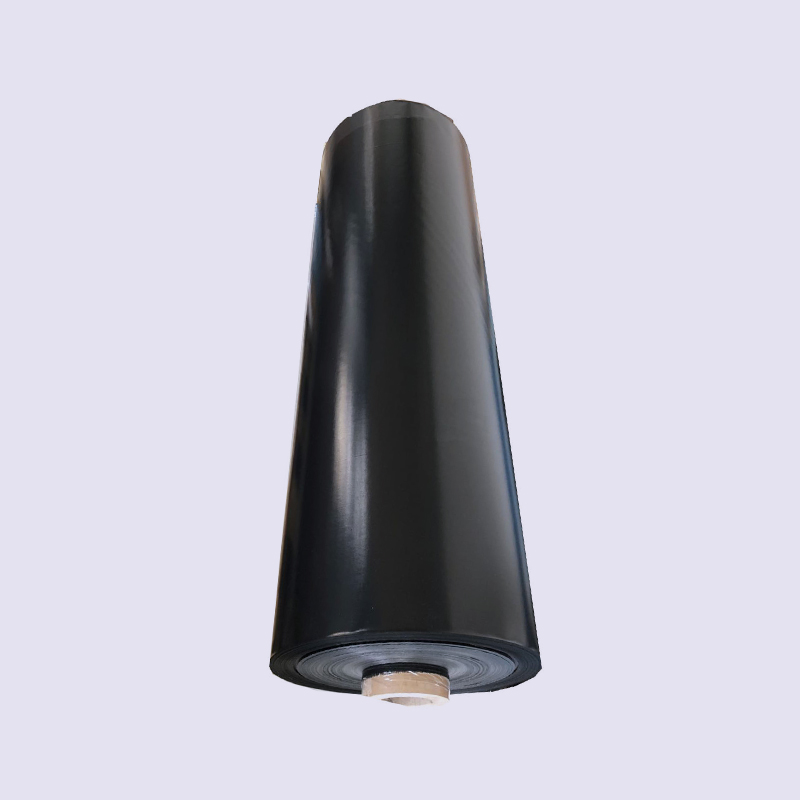
Types of PTFE Anti-Static Fabric
PTFE anti-static fabrics vary in structure, coating, and application. Choosing the appropriate type ensures optimal performance and longevity.
Woven PTFE Anti-Static Fabric
Woven PTFE fabrics provide excellent mechanical strength and dimensional stability. They are suitable for applications requiring durable protection, such as protective suits, cleanroom garments, and industrial covers.
Non-Woven PTFE Anti-Static Fabric
Non-woven PTFE fabrics are lightweight, flexible, and offer superior particle filtration. These are commonly used in cleanroom filters, medical masks, and disposable protective clothing.
Coated PTFE Anti-Static Fabric
Coated PTFE fabrics include a thin anti-static layer or conductive polymer coating that enhances charge dissipation. These are ideal for electronic workstations, sensitive assembly areas, and high-voltage protection.
Applications of PTFE Anti-Static Fabric
PTFE anti-static fabrics are widely used across industries where static control and contamination prevention are crucial.
Electronics Manufacturing
In electronics, PTFE anti-static fabric prevents electrostatic discharge (ESD) that can damage sensitive components during assembly, transport, or storage. It is used for workstation mats, component carriers, and protective covers.
Cleanrooms and Pharmaceutical Industry
PTFE anti-static fabric reduces particle accumulation in controlled environments. It is applied in cleanroom garments, protective hoods, and equipment covers, ensuring hygiene and preventing contamination.
Protective Clothing and Industrial Use
The fabric’s chemical resistance, flame retardancy, and anti-static properties make it ideal for protective clothing in chemical plants, laboratories, and hazardous industrial environments.
Aerospace and High-Tech Applications
In aerospace and high-tech industries, PTFE anti-static fabrics are used for insulation covers, cable wraps, and protective layers on sensitive electronic assemblies where both thermal and anti-static protection is critical.
Durability and Maintenance
PTFE anti-static fabrics are inherently durable, but proper care ensures consistent performance and long service life.
- Regular cleaning with mild detergent to remove dust and surface contaminants
- Avoid exposure to strong abrasive materials or mechanical stress
- Store in a dry, ventilated area to prevent moisture absorption
- Inspect periodically for coating degradation or fiber damage
Advantages of PTFE Anti-Static Fabric
The combination of anti-static, chemical resistance, and thermal stability makes PTFE fabrics a preferred choice for high-performance applications.
- Efficient dissipation of static electricity in sensitive environments
- Chemical and solvent resistance for harsh industrial conditions
- Thermal stability suitable for high-temperature processes
- Durable and lightweight, ideal for wearable or portable applications
- Low friction surface reduces particulate accumulation, improving cleanliness
Comparison with Other Anti-Static Fabrics
PTFE anti-static fabrics outperform traditional cotton or polyester anti-static materials in chemical resistance, thermal performance, and durability.
| Property | PTFE Anti-Static Fabric | Polyester Anti-Static | Cotton Anti-Static |
| Chemical Resistance | High | Moderate | Low |
| Thermal Stability | High | Moderate | Low |
| Durability | High | Moderate | Moderate |
| Anti-Static Performance | Excellent | Good | Moderate |
Conclusion
PTFE anti-static fabric is a high-performance material ideal for applications requiring static control, chemical resistance, and thermal stability. Its versatility makes it suitable for electronics, cleanrooms, industrial protection, and specialized high-tech environments.
By selecting the right type of PTFE anti-static fabric and following proper maintenance and installation practices, industries can achieve reliable protection, improve safety, and ensure long-term performance.


Copyright © Jiangsu Bocheng New Tech Materials Co., Ltd. All Rights Reserved. Silicone PTFE Composite Material Solutions
