
 Language
  English
 Español
Are Silicone Baking Mats Safe to Use in the Oven and Dishwasher?
News-Silicone baking mats are typically made from food-grade silicone, a synthetic polymer derived from silicon, oxygen, carbon, and hydrogen. Unlike plastic, silicone remains stable under both high and low temperatures, which is why it has become a popular material in bakeware. High-quality silicone baking mats often include a fiberglass core sandwiched between silicone layers, giving the mat strength, flexibility, and even heat distribution.
The safety of a silicone baking mat largely depends on the quality of the silicone used. Food-grade or platinum-cured silicone is designed to be non-toxic, odorless, and resistant to chemical leaching. Lower-grade silicone may contain fillers that reduce heat resistance and durability, making product selection an important factor for safety.
Are Silicone Baking Mats Safe to Use in the Oven?
Yes, silicone baking mats are generally safe for oven use when they are manufactured from certified food-grade silicone and used within the recommended temperature range. Most silicone baking mats are rated for continuous oven use between 428°F and 480°F (220°C to 250°C). Some premium mats may tolerate short exposure to even higher temperatures, but exceeding manufacturer limits is not advised.
Silicone does not melt or release toxic fumes at normal baking temperatures. Instead, it remains flexible and stable, allowing it to withstand repeated heating cycles. This makes silicone baking mats suitable for cookies, pastries, roasted vegetables, and other baked goods that require consistent heat.
Understanding Temperature Limits
Temperature limits are one of the most critical safety considerations. While silicone is heat-resistant, it is not designed for direct contact with open flames or broiler elements. Placing a silicone baking mat too close to a heating element can cause surface degradation or discoloration, even if the mat does not visibly melt.
| Typical Safe Range | 428°F–480°F (220°C–250°C) |
| Not Recommended | Broilers, grills, open flames |
Is Silicone Chemically Stable at High Heat?
One common concern is whether silicone releases harmful substances when heated. Food-grade silicone is chemically stable at baking temperatures, meaning it does not break down into unsafe compounds under normal oven use. Unlike certain plastics, silicone does not contain BPA, phthalates, or other common plasticizers.
Independent testing and long-term kitchen use have shown that high-quality silicone baking mats do not transfer odors, flavors, or chemicals to food when used correctly. This stability is a key reason silicone is widely used in both home and professional kitchens.
Are Silicone Baking Mats Safe in the Dishwasher?
Silicone baking mats are generally dishwasher-safe, which is one of their most practical advantages. Silicone’s non-porous surface resists water absorption and does not warp under hot water, making it suitable for standard dishwasher cycles. Most manufacturers recommend placing the mat on the top rack to minimize exposure to intense heat and water pressure.
Dishwasher cleaning is effective for removing baked-on oils and residues, especially when combined with a mild detergent. However, frequent dishwasher use may gradually dull the surface or reduce non-stick performance over time, depending on detergent strength and water hardness.
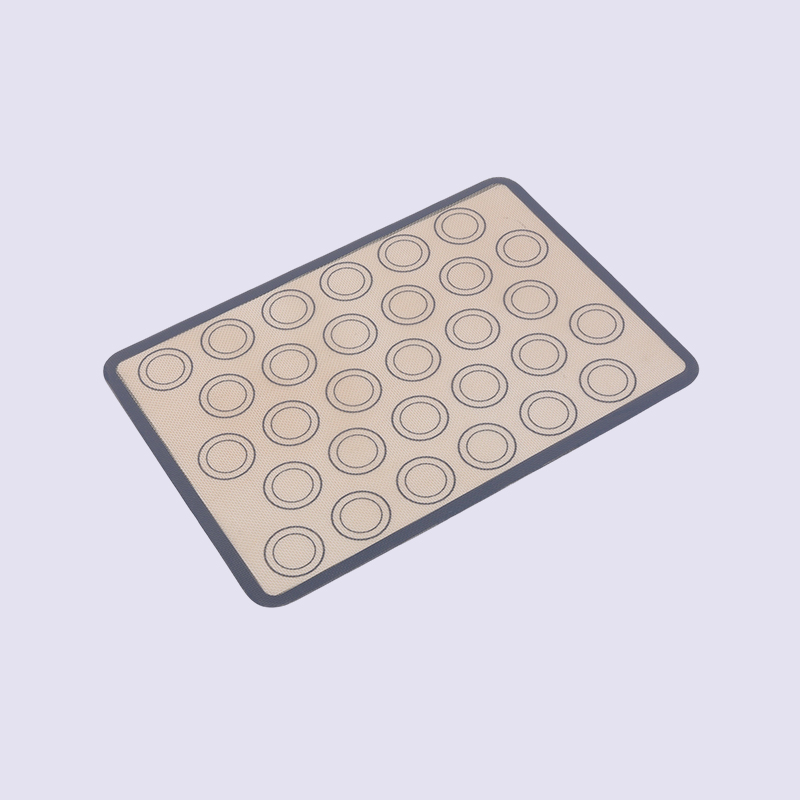
Hand Washing vs. Dishwasher Cleaning
While dishwashers are convenient, hand washing with warm water and mild soap can extend the life of a silicone baking mat. Gently scrubbing with a soft sponge helps preserve the surface texture that contributes to its non-stick properties.
- Top-rack dishwasher placement reduces heat stress
- Avoid abrasive scrubbers that damage the surface
- Occasional soaking helps remove stubborn grease
Food Safety Certifications to Look For
When evaluating whether a silicone baking mat is safe, certifications play an important role. Reputable products often comply with FDA food-contact standards or equivalent international regulations. These certifications indicate that the material has been tested for food safety and chemical stability.
While certification alone does not guarantee superior performance, it does provide assurance that the mat is intended for repeated food contact at elevated temperatures. Buyers should be cautious of unbranded or extremely low-cost mats that do not disclose material standards.
Common Safety Mistakes to Avoid
Improper use can reduce both safety and lifespan, even for high-quality silicone baking mats. One common mistake is using the mat under a broiler or placing it directly on a stovetop. Silicone is heat-resistant but not flame-proof, and such exposure can cause permanent damage.
- Do not cut food directly on the mat with sharp knives
- Avoid prolonged exposure beyond rated temperatures
- Do not use as a substitute for parchment in open-flame cooking
How Long Do Silicone Baking Mats Remain Safe?
With proper care, a silicone baking mat can remain safe and functional for several years. Over time, repeated exposure to oils and heat may cause discoloration or reduced non-stick performance, but this does not necessarily mean the mat is unsafe. Structural damage, cracking, or sticky residue are stronger indicators that replacement is needed.
Regular inspection helps ensure continued safety. If the mat emits strong odors during heating or shows signs of surface breakdown, it should be discontinued to avoid potential food contamination.
Silicone Baking Mats vs. Other Baking Liners
Compared to parchment paper and aluminum foil, silicone baking mats offer reusable convenience and stable heat resistance. Parchment paper is disposable and can scorch at high temperatures, while aluminum foil may react with acidic foods. Silicone mats avoid these issues when used correctly.
From a safety perspective, silicone baking mats stand out due to their chemical stability and lack of coatings that can peel or flake. This makes them a practical long-term solution for consistent baking tasks.
Final Assessment of Oven and Dishwasher Safety
Silicone baking mats are safe for both oven and dishwasher use when made from food-grade silicone and used within specified limits. Their heat resistance, chemical stability, and ease of cleaning make them a reliable baking accessory for everyday kitchen use. Understanding temperature ratings, cleaning methods, and proper handling ensures that silicone baking mats remain both safe and effective over time.
By choosing certified products and following manufacturer guidelines, users can confidently rely on silicone baking mats as a reusable and food-safe alternative to traditional baking liners.


Copyright © Jiangsu Bocheng New Tech Materials Co., Ltd. All Rights Reserved. Silicone PTFE Composite Material Solutions
