
 Language
  English
 Español
What Is PTFE Fiberglass Fabric and Why Is It Used?
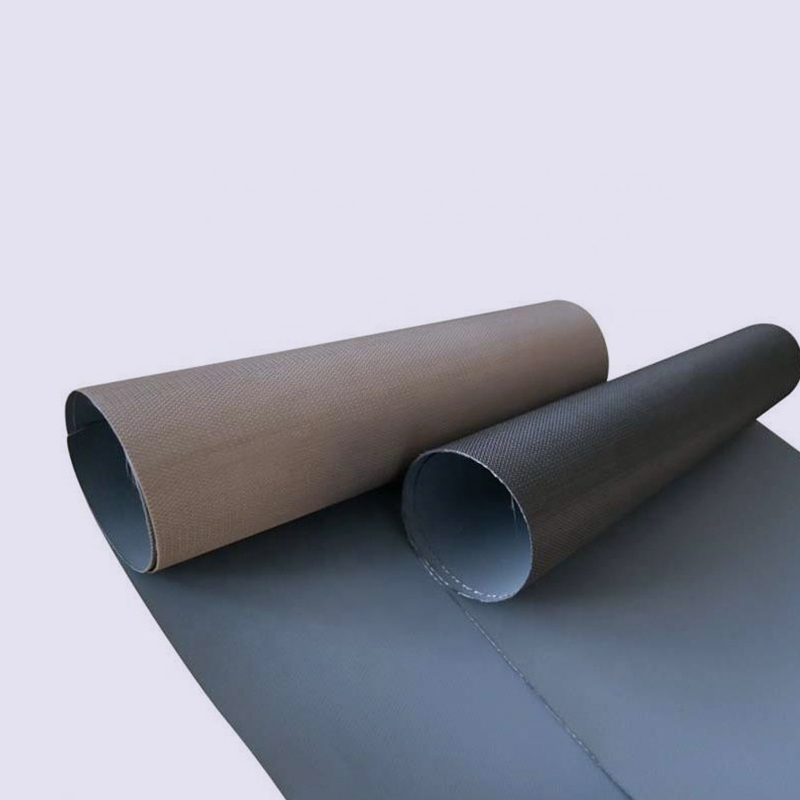
News-PTFE fiberglass fabric is a composite material made by coating woven fiberglass with polytetrafluoroethylene (PTFE). This combination provides excellent thermal resistance, chemical inertness, and non-stick properties. Widely used in industrial applications, PTFE fiberglass fabric is ideal for environments requiring durability under extreme temperatures, resistance to corrosive chemicals, and minimal friction surfaces. Its versatility makes it a critical component in industries such as aerospace, electronics, food processing, and chemical manufacturing.
What Are the Key Properties of PTFE Fiberglass Fabric?
The fabric’s performance comes from both PTFE and fiberglass components. Key properties include:
- High Temperature Resistance: Can withstand continuous use in temperatures up to 260°C (500°F) without degradation.
- Chemical Resistance: Resistant to most acids, bases, solvents, and oils, making it suitable for harsh chemical environments.
- Non-Stick Surface: PTFE coating prevents adhesion of sticky substances, enabling easy cleaning and release of materials.
- Electrical Insulation: Fiberglass core provides excellent dielectric properties for electrical insulation applications.
- Durability and Strength: Fiberglass ensures dimensional stability, tensile strength, and resistance to mechanical stress.
What Are the Typical Applications of PTFE Fiberglass Fabric?
PTFE fiberglass fabric is used in multiple industrial sectors due to its unique combination of properties:
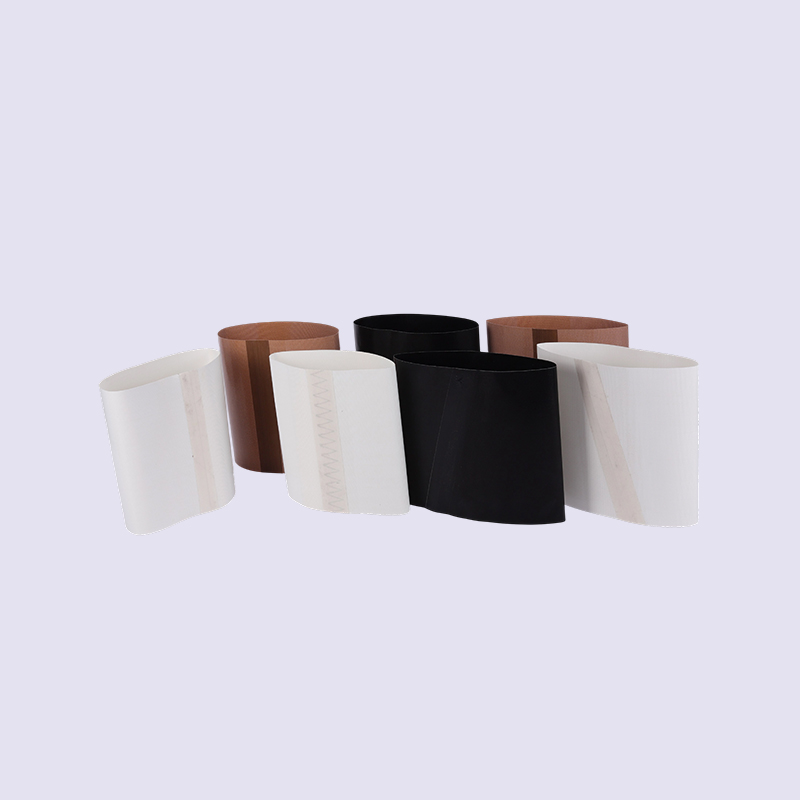
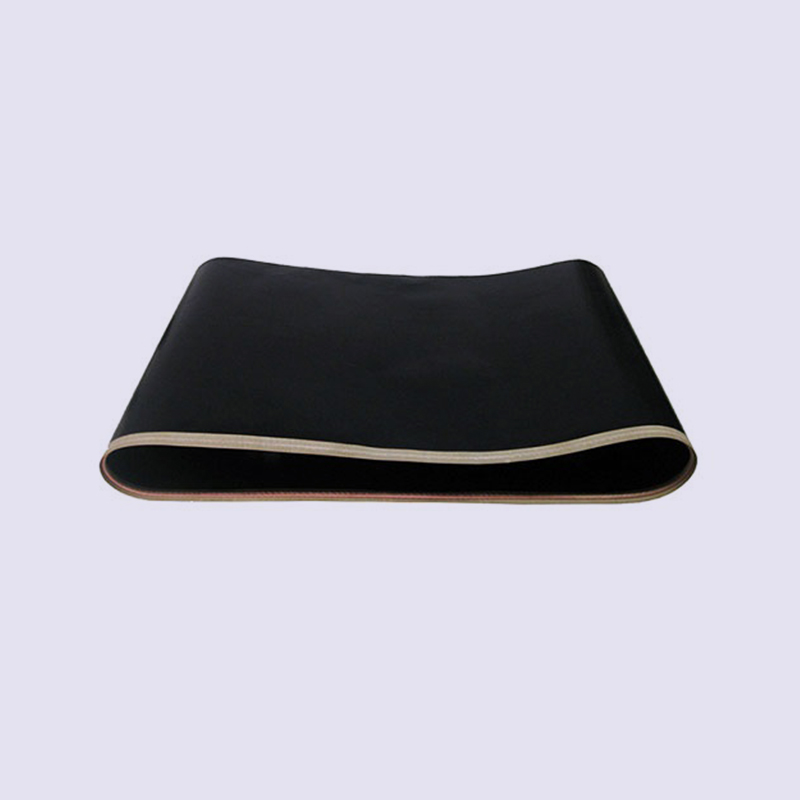
- Heat Sealing and Packaging: Used in heat-sealing belts, sheets, and conveyor surfaces for food and packaging industries.
- Industrial Non-Stick Applications: Ideal for conveyor belts, release liners, and coatings in sticky material processing.
- Electrical Insulation: Employed in cable insulation, electrical components, and electronic assembly due to dielectric strength.
- Chemical Industry: Used for gaskets, sheets, and protective coverings in chemical processing plants resistant to corrosion.
- Aerospace and Aviation: Provides lightweight thermal insulation, protective coatings, and high-performance non-stick surfaces in aircraft components.
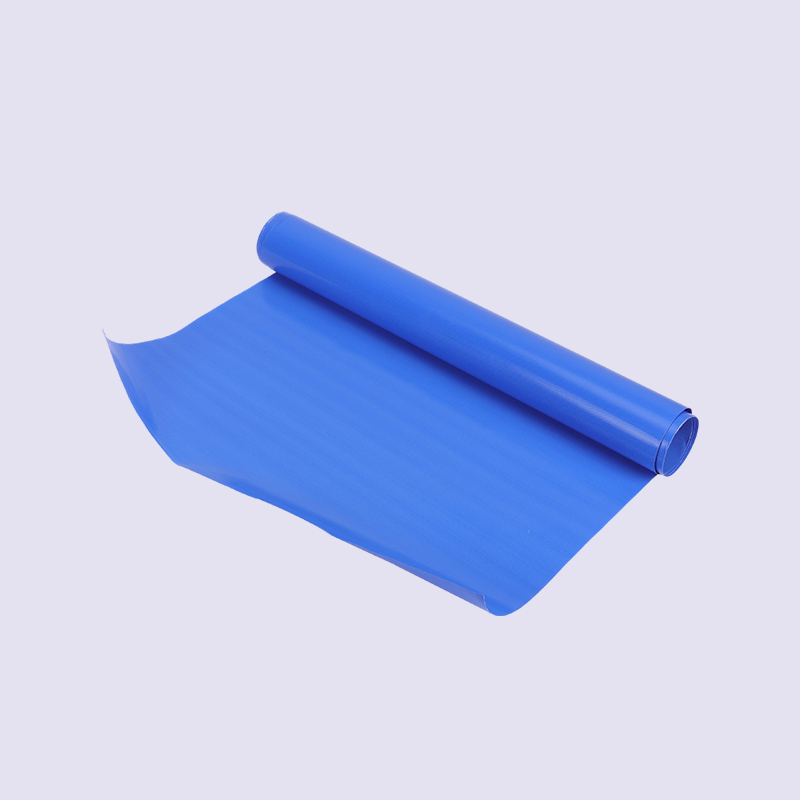
How Is PTFE Fiberglass Fabric Manufactured?
The manufacturing process involves combining woven fiberglass with PTFE coating. Steps include:
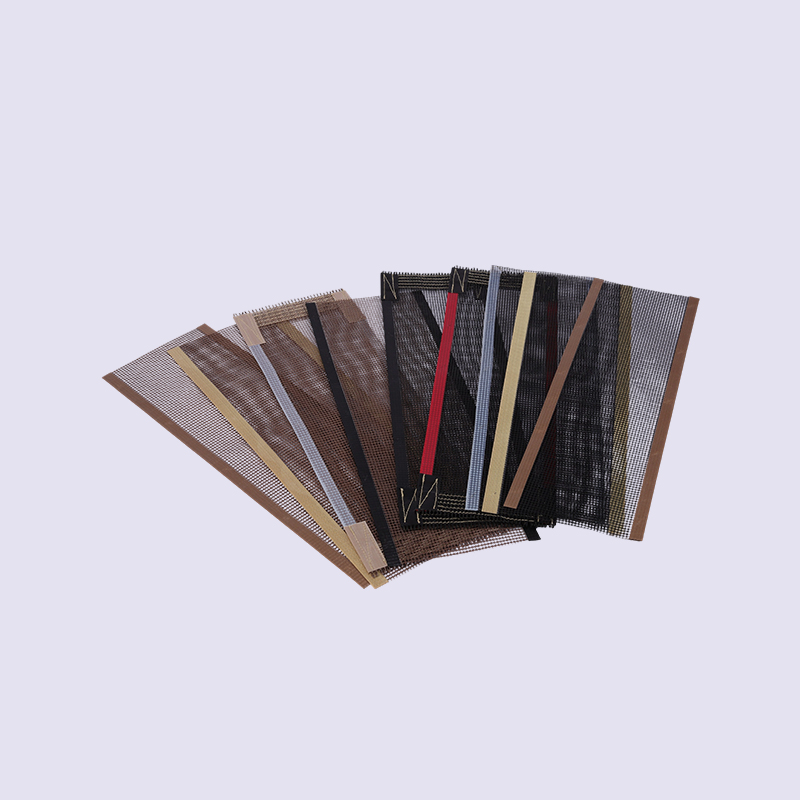
- Fiberglass Weaving: Fiberglass yarns are woven into a stable fabric providing strength and dimensional stability.
- PTFE Coating: The fabric is coated with PTFE using a calendaring or coating process ensuring uniform coverage.
- Sintering and Curing: The coated fabric is heated to bond PTFE to the fiberglass substrate, creating a durable and heat-resistant composite.
- Finishing and Cutting: Fabric is trimmed, sized, or laminated for specific industrial applications.
What Are the Advantages of Using PTFE Fiberglass Fabric?
Choosing PTFE fiberglass fabric provides several benefits for industrial use:
- High Temperature Stability: Maintains performance in extreme heat without degradation.
- Chemical Inertness: Resistant to corrosion and chemical attack, ensuring long service life.
- Non-Stick and Easy Cleaning: Minimizes product adhesion, reducing downtime for cleaning in production lines.
- Electrical Insulation: Suitable for high-voltage and sensitive electronic applications.
- Mechanical Strength: Fiberglass reinforcement ensures durability under stress and repetitive use.
What Should Be Considered When Selecting PTFE Fiberglass Fabric?
When choosing PTFE fiberglass fabric for industrial applications, consider the following factors:
- Thickness: Thicker fabrics provide higher mechanical strength but may reduce flexibility.
- Coating Uniformity: Ensures consistent performance in non-stick and heat-resistant applications.
- Temperature Range: Select fabric compatible with maximum operating temperatures of your process.
- Chemical Compatibility: Verify resistance to specific chemicals in your process to prevent degradation.
- Flexibility and Handling: Ensure ease of installation and integration into machinery or processes.
Conclusion: Why Is PTFE Fiberglass Fabric Essential for Industry?
PTFE fiberglass fabric is a versatile and high-performance material essential for modern industrial applications. Its combination of heat resistance, chemical inertness, non-stick surface, and mechanical strength makes it suitable for a wide range of industries. By understanding its properties, manufacturing process, advantages, and selection criteria, engineers and manufacturers can optimize performance, reduce maintenance, and ensure safety in demanding environments.


Copyright © Jiangsu Bocheng New Tech Materials Co., Ltd. All Rights Reserved. Silicone PTFE Composite Material Solutions
