
 Language
  English
 Español
Can PTFE Skived Film Tape Withstand High Temperatures?
News-Introduction to PTFE Skived Film Tape
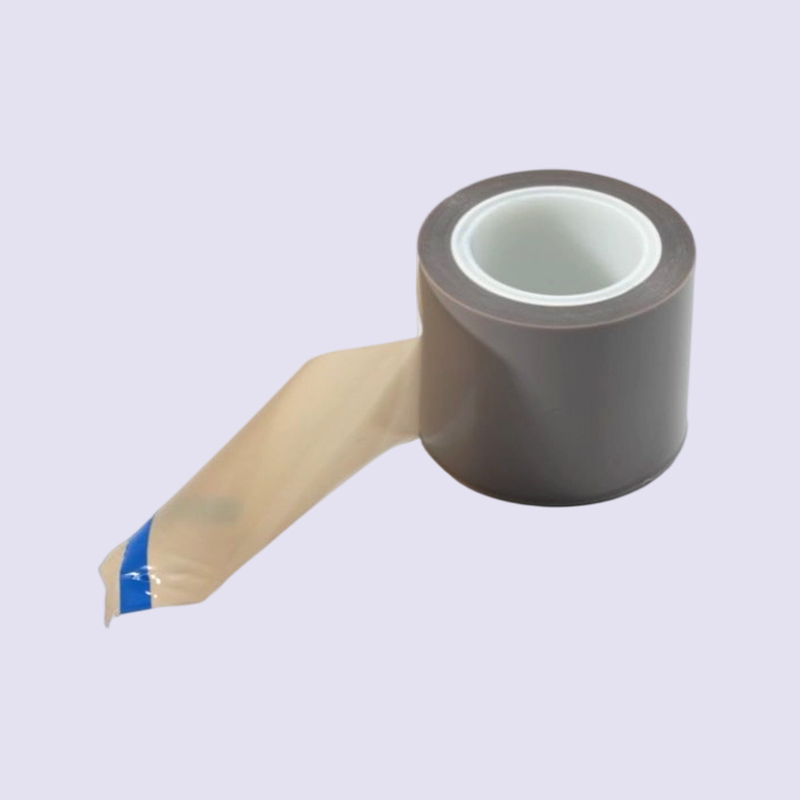
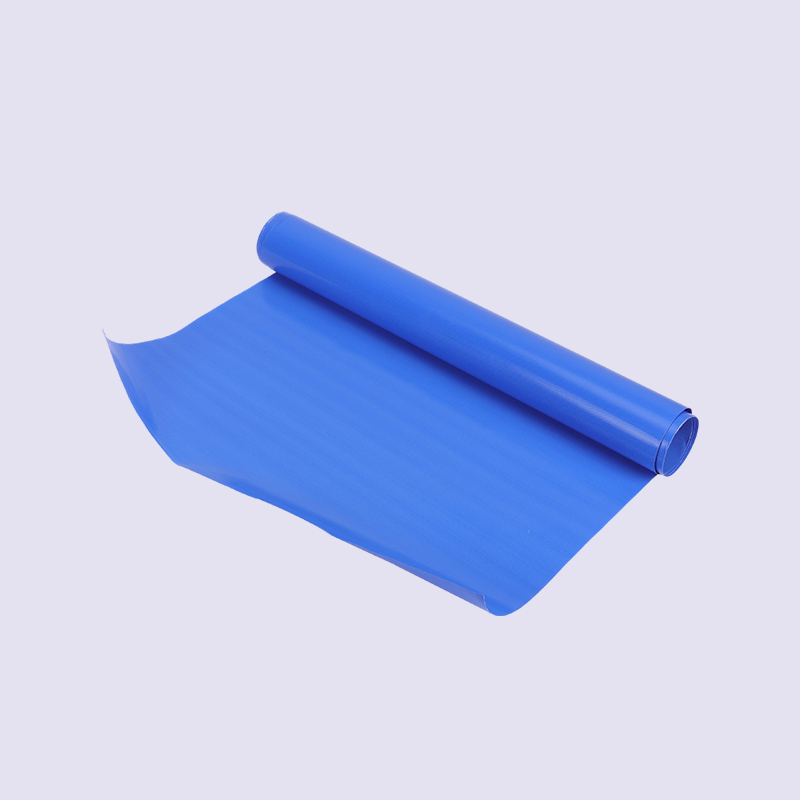
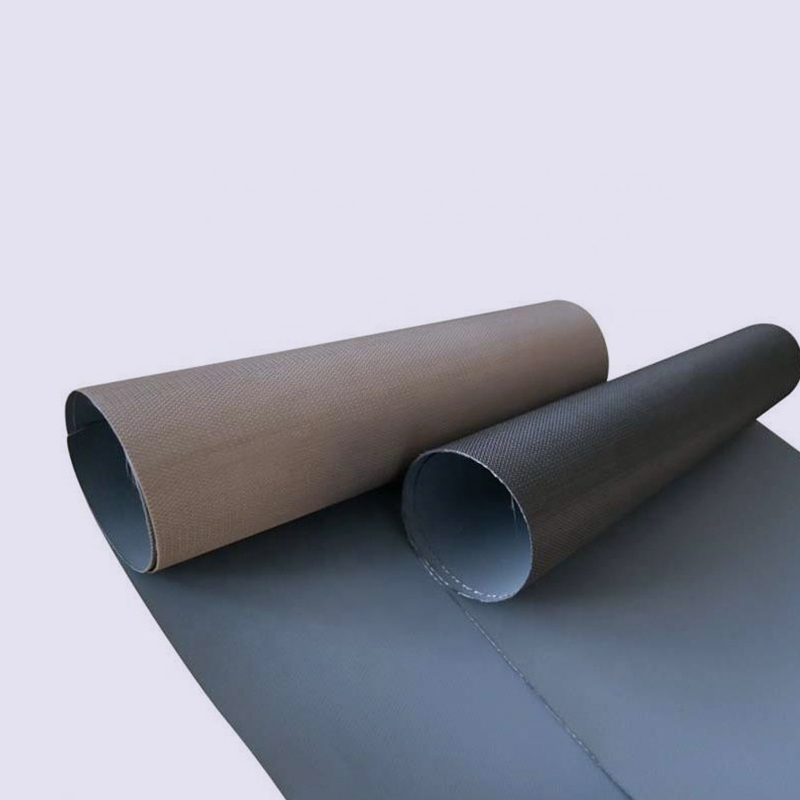
PTFE skived film tape, known for its exceptional chemical resistance and thermal stability, is a highly versatile material used in various industrial applications. Derived from polytetrafluoroethylene, this tape is thin, flexible, and designed to perform in high-temperature environments where other tapes might fail. Understanding its characteristics and applications helps industries optimize processes and ensure safety in demanding conditions.
Composition and Manufacturing Process
PTFE skived film tape is created by slicing thin layers from a solid PTFE block. This skiving process produces a smooth, uniform film that retains PTFE’s inherent properties, including excellent heat resistance, low friction, and chemical inertness. The tape is often reinforced with silicone or acrylic adhesives to enhance its adhesion while maintaining temperature stability.
Properties of PTFE Skived Film Tape
Key properties include:
- High thermal resistance up to 260°C (500°F) continuous, and up to 300°C short-term
- Low coefficient of friction, reducing wear in mechanical applications
- Non-stick surface, preventing materials from adhering
- Outstanding chemical resistance, unaffected by acids, bases, or solvents
- Electrical insulation properties for high-voltage applications
High Temperature Performance
PTFE skived film tape excels in high-temperature environments, making it ideal for applications such as heat sealing, powder coating, and insulation in electrical systems. Unlike PVC or polyester tapes, PTFE does not melt or degrade at elevated temperatures, ensuring long-term performance without losing mechanical strength or adhesive properties.
Thermal Stability Testing
Manufacturers conduct rigorous thermal testing to guarantee the tape withstands continuous exposure to high temperatures. These tests include prolonged heat exposure, thermal cycling, and surface insulation resistance testing. PTFE skived film tape consistently demonstrates minimal shrinkage, no deformation, and stable electrical properties under extreme heat conditions.
Industrial Applications of PTFE Skived Film Tape
PTFE skived film tape is widely used across multiple industries where high temperatures and chemical resistance are critical.
Electronics and Electrical Insulation
The tape is employed as insulation for transformers, motors, and wiring systems exposed to high heat. Its dielectric properties ensure safe and reliable operation in demanding electrical environments.
Heat Sealing and Packaging
In packaging machinery, PTFE skived film tape covers sealing bars and prevents adhesives or hot materials from sticking. Its ability to withstand repeated cycles of heat ensures consistent sealing performance.
Chemical Processing
In chemical plants, PTFE tape protects surfaces from corrosive materials while maintaining structural integrity at elevated temperatures. Its non-reactive nature prevents contamination and material degradation.
Comparison With Other Heat-Resistant Tapes
When compared to other tapes, PTFE skived film tape stands out in several key areas:
| Property | PTFE Skived Film Tape | Kapton Tape | Polyester Tape |
| Maximum Temp (°C) | 260–300 | 400 | 150 |
| Chemical Resistance | Excellent | Good | Moderate |
| Friction | Low | Moderate | High |
| Non-stick | Yes | No | No |
Maintenance and Handling
To ensure optimal performance, PTFE skived film tape should be stored in a cool, dry place away from direct sunlight. During application, surfaces must be clean and free from dust or oils to maximize adhesion. Although PTFE is resistant to most chemicals, it’s advisable to avoid prolonged contact with highly oxidizing agents that can affect adhesive layers.
Conclusion
PTFE skived film tape is a reliable choice for high-temperature applications across electronics, chemical processing, and packaging industries. Its unique combination of thermal stability, chemical resistance, low friction, and electrical insulation makes it superior to many conventional tapes. Proper handling and application ensure long-term durability and consistent performance, even under extreme conditions.


Copyright © Jiangsu Bocheng New Tech Materials Co., Ltd. All Rights Reserved. Silicone PTFE Composite Material Solutions
