
 Language
  English
 Español
How Resistant Are PTFE Belt to Chemicals and Abrasion?
News-Introduction to PTFE Belts
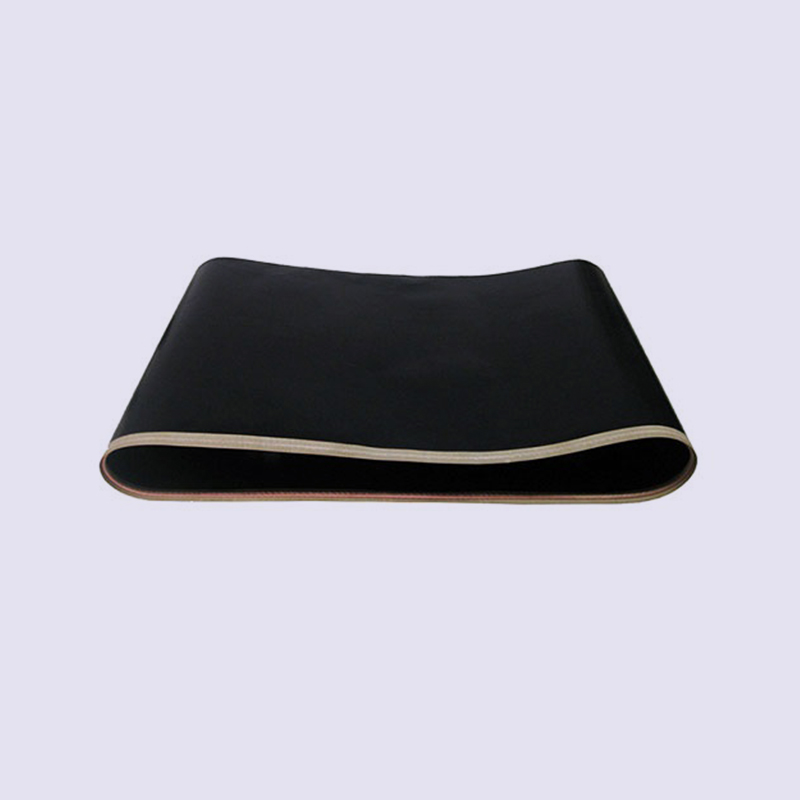
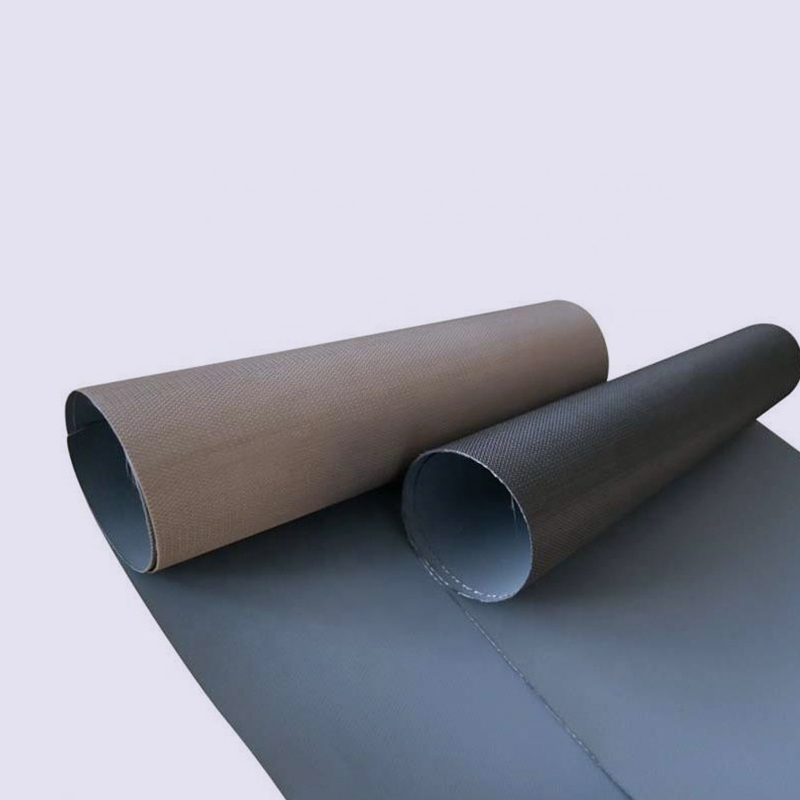
PTFE belts, commonly known as Teflon belts, are widely recognized for their exceptional chemical resistance and low-friction surface. Used in food processing, packaging, chemical, and high-temperature industrial applications, PTFE belts provide unique advantages over conventional conveyor belts. Understanding their chemical and abrasion resistance is essential for selecting the right belt for specific industrial needs.
Material Composition and Construction
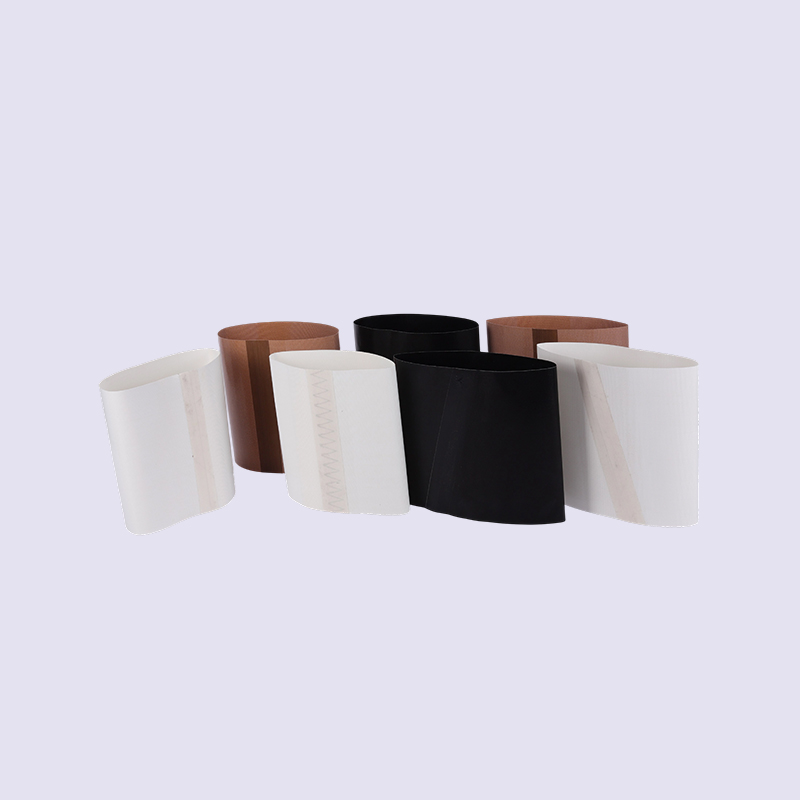
PTFE belts are constructed with a durable fabric or fiberglass base coated with polytetrafluoroethylene (PTFE). This combination results in a belt that is chemically inert, resistant to high temperatures, and mechanically strong. Unlike rubber or PVC belts, PTFE belts can withstand exposure to aggressive chemicals without deteriorating, making them ideal for continuous industrial operations.
Core Material Advantages
- PTFE surface is chemically inert, resisting acids, bases, and solvents.
- Fiberglass or fabric reinforcement ensures tensile strength and dimensional stability.
- Non-stick surface reduces residue buildup and prevents contamination.
Chemical Resistance Properties
One of the key advantages of PTFE belts is their resistance to chemical degradation. PTFE does not react with most acids, alkalis, or organic solvents, making it suitable for a variety of industrial processes. Even in environments with continuous chemical exposure, PTFE belts maintain integrity, avoiding swelling, cracking, or discoloration common in standard rubber or PVC belts.
Chemical Resistance Comparison
- PTFE belts: resistant to almost all chemicals, including strong acids and alkalis.
- Rubber belts: may swell or degrade when exposed to solvents or harsh chemicals.
- PVC/PU belts: moderate resistance but can discolor, soften, or lose strength over time.
Abrasion Resistance and Mechanical Strength
PTFE belts are also highly resistant to abrasion due to their smooth, low-friction surface. This makes them ideal for conveying rough or sticky materials without significant wear. The underlying fabric or fiberglass core provides structural strength, ensuring long-term mechanical stability and minimal elongation under load.
Mechanical Advantages
- High tensile strength reduces the risk of stretching and deformation under heavy loads.
- Smooth PTFE surface minimizes friction, reducing wear on both belt and machinery.
- Durability ensures long service life even in continuous, high-speed operations.
Temperature Tolerance and Environmental Resistance
PTFE belts maintain performance over a wide temperature range, typically from -70°C to 260°C. This high thermal resistance, combined with chemical stability, allows PTFE belts to operate in environments that would quickly degrade rubber or PVC belts. Additionally, PTFE is UV resistant and maintains mechanical properties even in outdoor applications.
Maintenance and Longevity
The chemical inertness and abrasion resistance of PTFE belts translate into low maintenance requirements and extended service life. Unlike conventional belts, PTFE belts require minimal cleaning and are less likely to accumulate residue from conveyed materials. Reduced downtime for maintenance leads to higher operational efficiency.
Maintenance Tips
- Regular inspection for mechanical damage or fraying at edges.
- Ensure rollers and pulleys are properly aligned to reduce wear.
- Avoid exposure to sharp objects that could puncture or damage the belt surface.
Cost vs. Performance Analysis
Although PTFE belts typically have a higher initial cost than standard rubber or PU belts, their superior chemical and abrasion resistance reduces the total cost of ownership. Longer service life, minimal maintenance, and high operational reliability make PTFE belts an ideal investment for industries dealing with harsh chemicals or abrasive materials.
Comparison Table: PTFE vs. Standard Belts
| Property | PTFE Belts | Rubber/PU Belts |
| Chemical Resistance | High, resistant to acids, alkalis, solvents | Moderate, prone to degradation |
| Abrasion Resistance | Excellent, low-friction surface | Moderate, surface wear over time |
| Temperature Tolerance | -70°C to 260°C | -20°C to 100°C |
| Maintenance | Low, minimal cleaning required | High, frequent cleaning needed |
Conclusion
PTFE belts provide outstanding resistance to chemicals and abrasion, making them suitable for demanding industrial applications. Their high-temperature tolerance, low-friction surface, and long service life ensure operational efficiency and reduced maintenance costs. Although more expensive initially, PTFE belts deliver superior performance and reliability compared to standard rubber or PU belts, proving to be a cost-effective solution for industries requiring durable conveyor solutions.


Copyright © Jiangsu Bocheng New Tech Materials Co., Ltd. All Rights Reserved. Silicone PTFE Composite Material Solutions
