
 Language
  English
 Español
What factors should you consider when selecting a high temperature PTFE sealing belt?
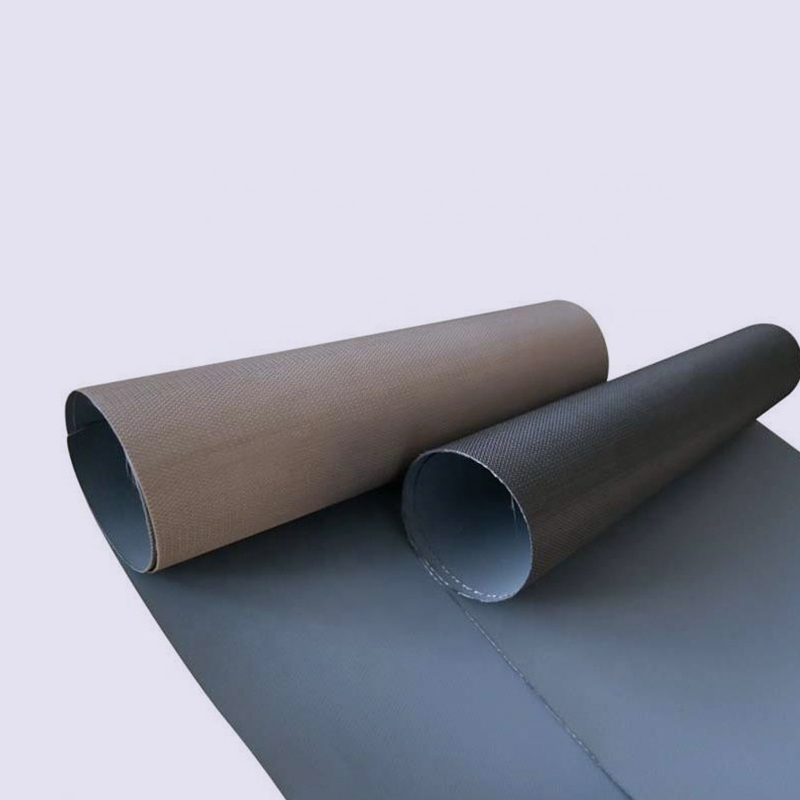
News-High temperature PTFE sealing belts are critical components in industrial processes that require reliable sealing, non-stick performance, and exceptional heat resistance. They are widely used in packaging machines, heat presses, food processing equipment, and continuous conveyor systems. Selecting the appropriate PTFE sealing belt is essential to ensure durability, operational efficiency, and product quality.
This article explores the key factors to consider when selecting a high temperature PTFE sealing belt, including material composition, temperature range, dimensions, surface treatment, and chemical compatibility.
Material Composition and Base Fabric
The core of a PTFE sealing belt is typically a fiberglass or Kevlar fabric that provides structural stability and tensile strength. PTFE (Polytetrafluoroethylene) is laminated onto the fabric to provide non-stick and chemical-resistant properties. Understanding the base fabric type is important because it affects flexibility, elongation, and overall mechanical strength.
Fiberglass vs Kevlar
Fiberglass is widely used due to its high-temperature tolerance up to 260°C (500°F), excellent dimensional stability, and cost-effectiveness. Kevlar reinforcement, on the other hand, offers higher tensile strength, better impact resistance, and longer life in high-stress applications, making it suitable for heavy-duty sealing and conveyor operations.

Temperature Resistance
One of the most important factors in selecting a PTFE sealing belt is its temperature rating. High temperature belts can withstand continuous exposure to heat without degradation. For most industrial applications, PTFE belts tolerate temperatures ranging from -70°C to 260°C (-94°F to 500°F). Exceeding these limits can cause the belt to shrink, lose flexibility, or suffer surface damage.
Additionally, consider the thermal shock resistance if the belt will experience rapid heating and cooling cycles. A belt with a high-quality base fabric and uniform PTFE coating ensures long-term stability under such conditions.
Belt Dimensions and Thickness
Proper width and thickness selection ensures effective sealing, proper fit on rollers, and adequate strength to handle mechanical stress. Belts that are too thin may wear out quickly, while excessively thick belts can reduce flexibility and affect heat transfer efficiency. Standard thickness ranges from 0.1mm to 0.6mm, depending on application requirements.
Width Considerations
Select a belt width that matches the sealing or conveyor surface. Wider belts provide better coverage but require precise tensioning to avoid slippage or misalignment. Narrow belts are suitable for targeted sealing or smaller equipment.
Surface Treatment and Coating
The surface finish of a PTFE sealing belt affects its non-stick properties, friction, and wear resistance. Standard PTFE belts have a smooth finish, but some applications require textured or embossed surfaces to improve grip or heat transfer.
Lubrication and Release Coatings
In high-temperature packaging or laminating operations, additional release coatings or dry lubricants can enhance the belt’s non-stick performance, reducing the risk of material sticking and maintaining consistent production quality.
Chemical Compatibility
PTFE is highly resistant to most chemicals, including acids, alkalis, and solvents. However, when selecting a belt, ensure compatibility with the specific chemicals used in your process. Some high-concentration reagents or prolonged exposure to aggressive solvents may necessitate reinforced or specially coated PTFE belts.
Tensile Strength and Mechanical Load
The mechanical strength of a sealing belt determines its lifespan under tension, bending, and roller stress. High-temperature PTFE belts must withstand repeated flexing without cracking or delaminating. Check the belt’s maximum tensile load and elongation rate to ensure suitability for conveyor or sealing operations.
Durability and Maintenance
Durable belts reduce downtime and maintenance costs. Factors contributing to longevity include uniform PTFE coating, high-quality base fabric, proper belt tensioning, and correct roller alignment. Regular inspection for wear, fraying, or surface damage prolongs belt life and maintains sealing efficiency.
Application-Specific Considerations
Different industrial applications require specific PTFE belt properties. For example:
- Heat sealing machines need belts with excellent thermal conductivity and surface smoothness.
- Conveyor systems require high tensile strength and resistance to mechanical wear.
- Food processing applications prioritize chemical inertness, non-stick properties, and FDA-compliant materials.
Comparison Table of Key Selection Factors
| Factor | Recommendation | Reason |
| Base Fabric | Fiberglass or Kevlar | Provides structural stability and tensile strength |
| Temperature Resistance | -70°C to 260°C | Ensures stability under high heat |
| Thickness | 0.1–0.6mm | Balances flexibility and durability |
| Surface | Smooth or textured, optional coatings | Optimizes non-stick performance and grip |
| Chemical Compatibility | Compatible with process chemicals | Prevents degradation and ensures safety |
Conclusion
Selecting a high temperature PTFE sealing belt requires careful consideration of material, temperature tolerance, dimensions, surface treatment, chemical resistance, and mechanical load. By evaluating these factors in relation to your specific industrial application, you can ensure optimal performance, extended service life, and efficient operation. Proper selection enhances production reliability and reduces maintenance costs in both heavy-duty and precision processes.

Copyright © Jiangsu Bocheng New Tech Materials Co., Ltd. All Rights Reserved. Silicone PTFE Composite Material Solutions
