
 Language
  English
 Español
What are the advantages of two-sided silicone coated fabric? How does it differ from single-sided silicone coating?
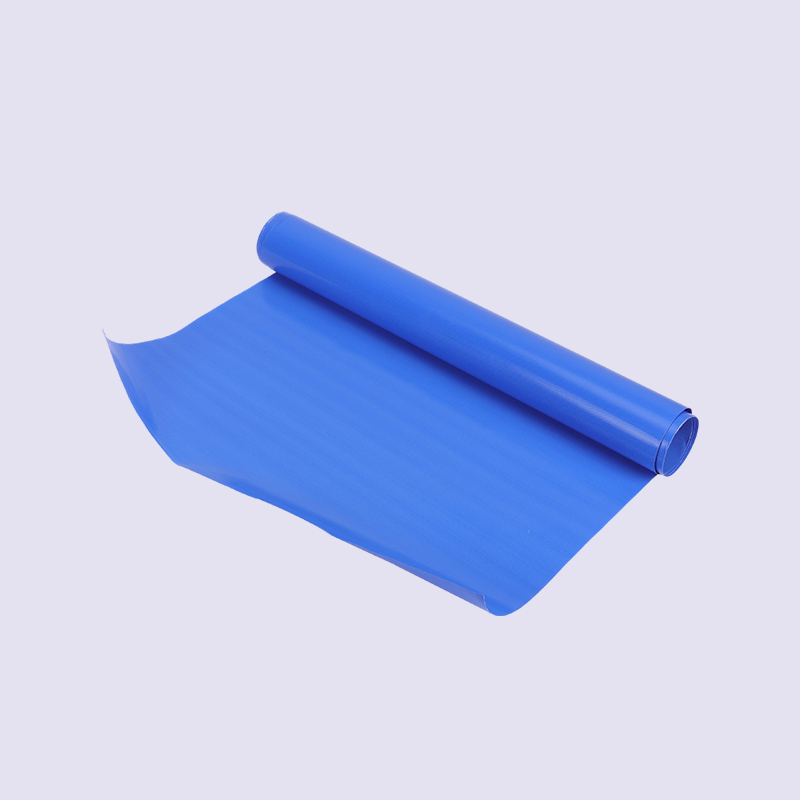
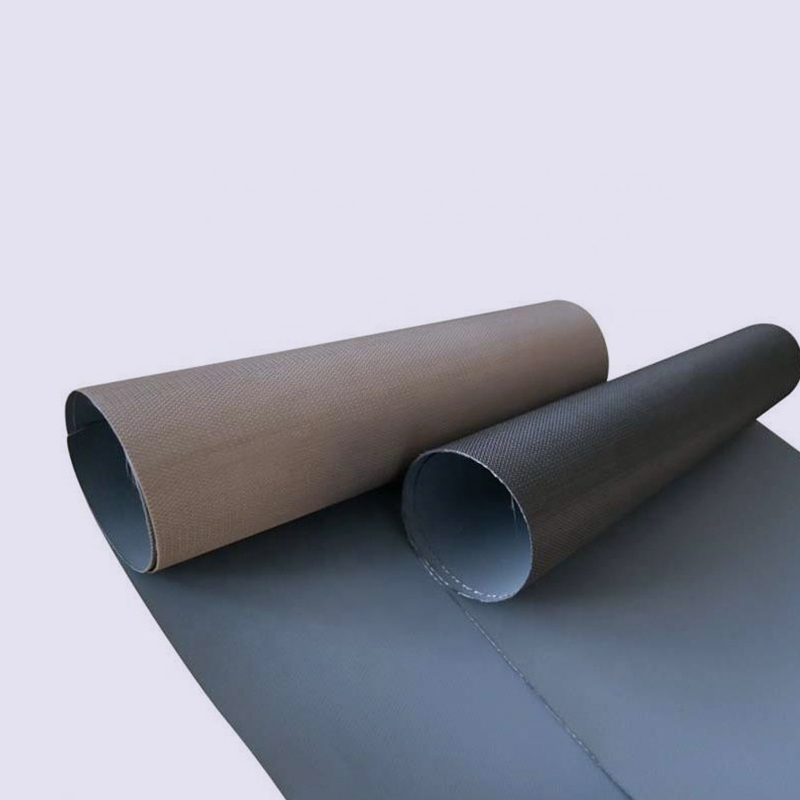
News-Two-sided silicone coated fabric refers to a technical textile in which both surfaces of a base fabric are coated with a layer of silicone rubber. This construction is designed to enhance durability, protection, and performance under demanding conditions. The base fabric is often fiberglass, polyester, aramid, or other high-strength materials, while the silicone coating provides resistance to heat, moisture, chemicals, and environmental exposure.
Unlike decorative or lightweight coated fabrics, two-sided silicone coated fabric is primarily engineered for industrial and technical uses. It is commonly applied in environments where both sides of the material are exposed to stress, abrasion, or extreme temperatures. Understanding its structure is essential to appreciating why it outperforms single-sided silicone coated alternatives in many applications.
How Silicone Coating Enhances Fabric Performance
Silicone rubber is known for its flexibility, thermal stability, and chemical inertness. When applied as a coating, it bonds tightly to the fabric surface, forming a protective barrier without significantly increasing weight or reducing flexibility. In a two-sided configuration, this protection is applied symmetrically, ensuring balanced performance across the entire fabric.
The silicone layer improves resistance to water, oils, UV radiation, and many chemicals. It also maintains elasticity across a wide temperature range, which is critical in applications involving heat cycling or outdoor exposure. By coating both sides, the fabric avoids uneven aging and degradation, which can occur when only one side is protected.
Key Advantages of Two-Sided Silicone Coated Fabric
The most significant advantage of two-sided silicone coated fabric is its all-around protection. Because both surfaces are coated, the material can withstand harsh conditions regardless of orientation or installation method. This makes it particularly suitable for complex or dynamic environments where the fabric may flex, fold, or rub against other surfaces.
- Enhanced durability due to uniform coating on both sides, reducing wear and tear.
- Improved resistance to moisture penetration, preventing water ingress from either direction.
- Better thermal insulation and heat resistance in high-temperature environments.
- Longer service life compared to single-sided silicone coated fabric.
These advantages translate into lower maintenance requirements and reduced replacement frequency, which can significantly reduce long-term operational costs in industrial settings.
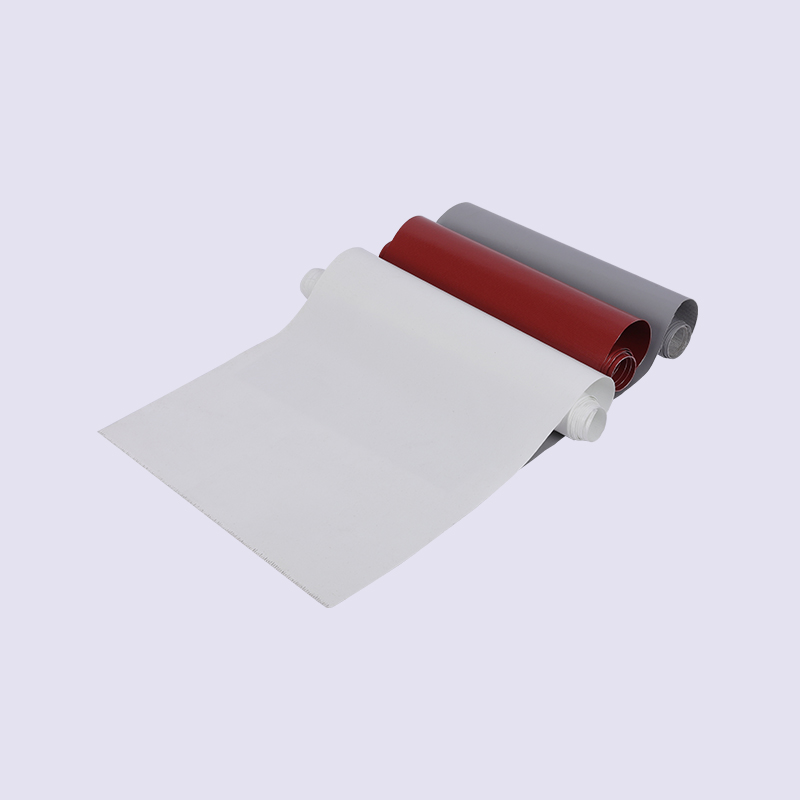
Differences Between Two-Sided and Single-Sided Silicone Coating
The primary difference between two-sided and single-sided silicone coated fabric lies in the scope of protection. Single-sided silicone coating applies silicone to only one surface of the fabric, leaving the opposite side exposed or minimally treated. This design may be sufficient for applications where only one side faces harsh conditions.
In contrast, two-sided silicone coated fabric is designed for environments where both sides are exposed to heat, moisture, or abrasion. This dual protection ensures consistent performance and reduces the risk of premature failure caused by unprotected areas.
Performance and Longevity Comparison
From a performance standpoint, two-sided silicone coated fabric generally offers superior longevity. Because both sides are protected, the fabric is less susceptible to degradation from environmental factors. Single-sided silicone coated fabric may experience delamination, fraying, or moisture absorption from the uncoated side over time.
Cost and Practical Considerations
While two-sided silicone coated fabric typically has a higher initial cost due to additional coating material and processing, it often proves more economical over its lifespan. Single-sided options may be more affordable upfront, but they may require more frequent replacement in demanding applications.
Typical Applications of Two-Sided Silicone Coated Fabric
Two-sided silicone coated fabric is widely used in industrial, commercial, and technical fields where reliability is critical. Its balanced protection makes it suitable for applications that involve constant movement, folding, or exposure from multiple directions.
- Thermal insulation jackets and removable insulation covers.
- Fire-resistant curtains, welding blankets, and safety barriers.
- Expansion joints and flexible connectors in HVAC and industrial piping systems.
- Outdoor protective covers exposed to weather on both sides.
In these applications, the ability to withstand extreme temperatures and environmental stress from both surfaces is a decisive advantage.
Material Selection and Fabric Base Options
The performance of two-sided silicone coated fabric is closely linked to the choice of base fabric. Fiberglass is commonly used for high-temperature resistance, while polyester or aramid may be selected for flexibility, strength, or specific mechanical properties. The silicone coating enhances these base characteristics without compromising the inherent advantages of the fabric.
When selecting a product, factors such as coating thickness, fabric weight, and tensile strength should be considered alongside the intended application environment. Two-sided coating ensures that whichever base fabric is chosen, its performance is fully protected.
Comparison Table: Two-Sided vs Single-Sided Silicone Coated Fabric
| Aspect | Two-Sided Silicone Coated Fabric | Single-Sided Silicone Coated Fabric |
| Surface Protection | Both sides fully protected | Only one side protected |
| Durability | Higher, balanced wear resistance | Moderate, depends on exposure |
| Typical Cost | Higher initial investment | Lower upfront cost |
How to Decide Which Option Is Right for Your Application
Choosing between two-sided silicone coated fabric and single-sided silicone coating depends largely on application requirements. If the fabric will be exposed to heat, moisture, or abrasion on both sides, a two-sided coating is the more reliable choice. It provides consistent performance and reduces the risk of unexpected failure.
For less demanding environments where only one surface faces harsh conditions, single-sided silicone coated fabric may be sufficient and more cost-effective. Evaluating environmental exposure, mechanical stress, and expected service life will help determine the most suitable option.
Conclusion: Why Two-Sided Silicone Coated Fabric Stands Out
Two-sided silicone coated fabric offers comprehensive protection, enhanced durability, and long-term performance advantages over single-sided silicone coating. Its ability to withstand demanding conditions from both surfaces makes it an ideal solution for industrial and technical applications where reliability is essential.
Although the initial investment may be higher, the extended service life and reduced maintenance needs often justify the cost. By understanding the differences and advantages, users can make informed decisions and select the fabric solution that best matches their operational requirements.


Copyright © Jiangsu Bocheng New Tech Materials Co., Ltd. All Rights Reserved. Silicone PTFE Composite Material Solutions
