
 Language
  English
 Español
What Are the Differences Between PTFE Adhesive Tape and Regular Tape?
News-When it comes to tapes, not all are created equal. From household use to industrial applications, choosing the right tape can make a significant difference in performance, safety, and longevity. Among the wide variety of tapes available, PTFE adhesive tape and regular tape are two options often considered for sealing, insulating, or binding purposes. Understanding their differences can help buyers and users make informed choices for their specific needs.
What is PTFE Adhesive Tape?
PTFE adhesive tape, often known as Teflon tape, is made from polytetrafluoroethylene (PTFE). PTFE is a synthetic fluoropolymer renowned for its non-stick properties, high chemical resistance, and ability to withstand extreme temperatures. PTFE adhesive tape is commonly used in plumbing, industrial sealing, and electrical insulation, as well as applications requiring resistance to corrosion, heat, and chemical exposure.
Key Properties of PTFE Adhesive Tape
- Heat Resistance: PTFE tape can typically handle temperatures ranging from -200°C to 260°C (-328°F to 500°F), making it suitable for both freezing and high-temperature applications.
- Chemical Resistance: PTFE is inert to most chemicals, including acids, bases, and solvents, ensuring durability in harsh environments.
- Non-Stick Surface: Its low surface energy prevents materials from sticking, which is ideal for preventing adhesion in certain applications.
- Electrical Insulation: PTFE is an excellent insulator, making this tape useful in electrical and electronic applications.
- Waterproofing and Sealing: PTFE tape is often used to seal pipe threads, preventing leaks in plumbing and gas systems.
What is Regular Tape?
Regular tape refers to a variety of adhesive tapes commonly used in households, offices, or general-purpose applications. Examples include cellophane tape, masking tape, duct tape, and packing tape. These tapes are usually made from materials such as plastic films, paper, or fabric, with adhesives based on rubber, acrylic, or synthetic polymers.
Key Properties of Regular Tape
- Limited Temperature Tolerance: Most regular tapes degrade or lose adhesion at high or extremely low temperatures.
- Limited Chemical Resistance: Regular tapes can be affected by water, oils, or chemicals, making them unsuitable for harsh environments.
- Moderate Adhesion: Designed for general-purpose bonding, wrapping, or sealing but not for specialized industrial applications.
- Surface Compatibility: Works well on smooth surfaces such as paper, cardboard, and some plastics but may not adhere reliably to metal or oily surfaces.
- Cost-Effectiveness: Regular tapes are typically inexpensive and widely available for everyday use.
Differences Between PTFE Adhesive Tape and Regular Tape
Understanding the differences between PTFE adhesive tape and regular tape is crucial when selecting the right product for a specific task. Here are the main areas where they differ:
1. Material Composition
- PTFE Adhesive Tape: Made from a high-performance polymer (PTFE) with unique non-stick and chemical-resistant properties.
- Regular Tape: Made from materials like paper, plastic film, or cloth, with adhesives designed for general use.
2. Heat Resistance
- PTFE Tape: Can handle extreme temperatures, both high and low, without losing its structure or adhesion.
- Regular Tape: Usually loses adhesion or becomes brittle under extreme heat or cold.
3. Chemical and Corrosion Resistance
- PTFE Tape: Resistant to acids, bases, solvents, and other corrosive substances.
- Regular Tape: Can be damaged or dissolved by chemicals, limiting its use in industrial or laboratory settings.
4. Non-Stick Surface
- PTFE Tape: Its low-friction surface prevents materials from sticking, which is particularly useful for sealing or coating applications.
- Regular Tape: Adhesive is designed to stick, so it may leave residue or fail in applications requiring a non-stick surface.
5. Electrical Insulation
- PTFE Tape: Excellent insulator suitable for electrical wiring and components.
- Regular Tape: Some tapes (like electrical tape) can insulate but are generally less heat-resistant and less durable in harsh conditions.
6. Application Areas
- PTFE Tape: Industrial sealing, plumbing, high-temperature insulation, chemical processing, aerospace, and medical equipment.
- Regular Tape: Office tasks, packaging, crafts, temporary fixes, and general household use.
7. Durability
- PTFE Tape: Highly durable, maintains integrity over long periods even under stress, heat, and chemical exposure.
- Regular Tape: Can peel, degrade, or lose adhesion over time, especially in adverse conditions.
8. Cost
- PTFE Tape: Typically more expensive due to its specialized material and properties.
- Regular Tape: Affordable and widely available for everyday tasks.
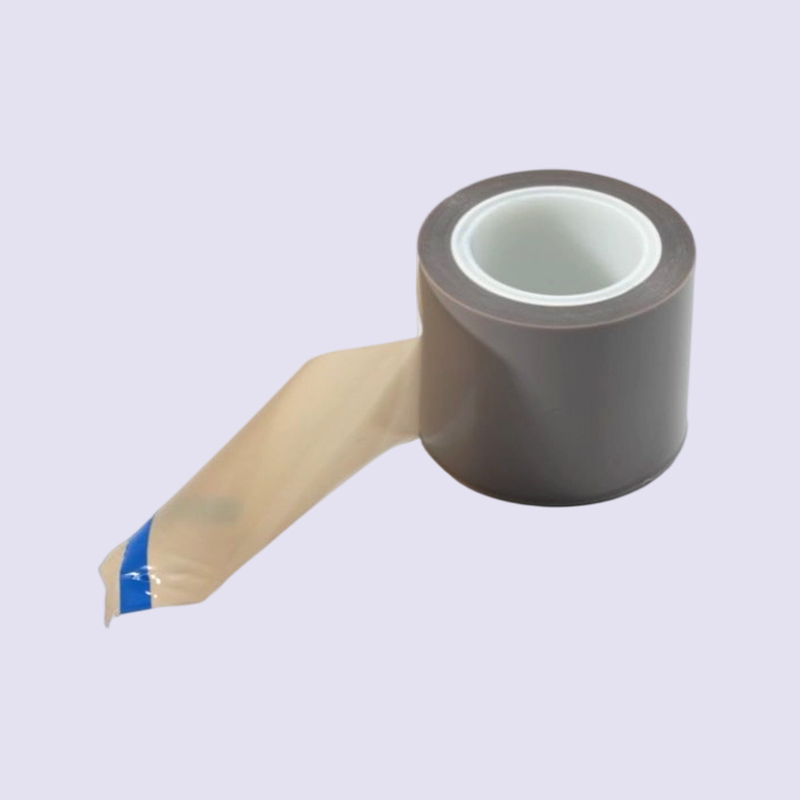
Choosing Between PTFE Adhesive Tape and Regular Tape
The choice between PTFE adhesive tape and regular tape depends on the specific requirements of your project. Consider the following factors:
1. Temperature Requirements
If the task involves high heat or freezing temperatures, PTFE adhesive tape is the better choice. Regular tape may fail under such conditions.
2. Chemical Exposure
For tasks involving chemicals, oils, or corrosive substances, PTFE tape provides superior resistance and longevity.
3. Electrical Insulation Needs
For electrical or electronic applications, PTFE tape’s insulating properties make it safer and more reliable than standard tapes.
4. Surface Compatibility
PTFE tape is ideal for metal, threaded surfaces, or materials prone to adhesion problems, whereas regular tape works best on smooth, clean surfaces.
5. Cost Considerations
For everyday household use, office work, or packaging, regular tape is cost-effective and sufficient. PTFE tape is a specialized solution and may not be necessary for simple tasks.
Tips for Using PTFE Adhesive Tape
- Clean the Surface: Ensure the surface is free of dirt, oil, or moisture to maximize adhesion.
- Apply Tightly: When sealing pipe threads, wrap the tape tightly around the threads to prevent leaks.
- Avoid Overstretching: PTFE tape is flexible but can tear if overstretched.
- Store Properly: Keep PTFE tape in a cool, dry place to maintain its quality over time.
Tips for Using Regular Tape
- Surface Preparation: Smooth, dry surfaces ensure the tape adheres properly.
- Use Appropriate Tape Type: Choose duct tape, masking tape, or packing tape depending on your project.
- Avoid Heat: Keep regular tapes away from high temperatures to prevent adhesive failure.
- Replace as Needed: Regular tape may lose effectiveness over time, so replace it when adhesion weakens.
Conclusion
While PTFE adhesive tape and regular tape may look similar at first glance, their properties, applications, and performance differ significantly. PTFE adhesive tape excels in heat resistance, chemical resistance, electrical insulation, and durability, making it ideal for industrial, plumbing, and specialized applications. Regular tape is better suited for everyday household, office, or light-duty tasks, offering affordability and convenience.
By understanding the differences, buyers and users can select the right tape for the right job, ensuring safety, efficiency, and long-lasting results. Whether you need a tape that can withstand extreme conditions or just something to hold packages together, knowing these distinctions is essential for making an informed choice.


Copyright © Jiangsu Bocheng New Tech Materials Co., Ltd. All Rights Reserved. Silicone PTFE Composite Material Solutions
