
 Language
  English
 Español
How Durable Are Silicone-Coated Belts Compared to Standard Conveyor Belts?
News-Introduction to Silicone-Coated Belts
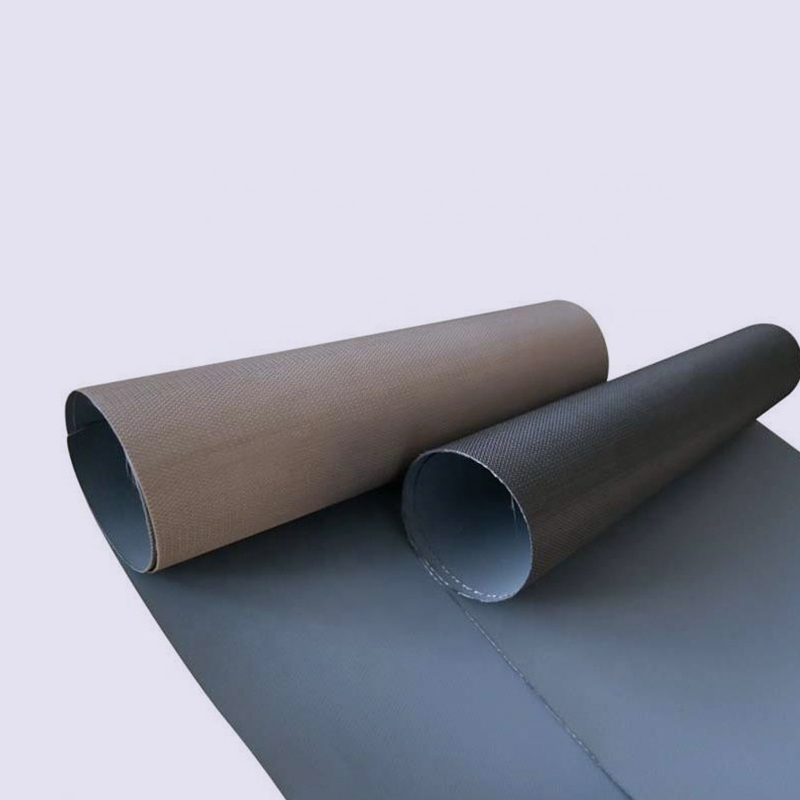
Silicone-coated belts are widely used in modern industrial applications for their unique combination of flexibility, heat resistance, and non-stick properties. Unlike standard conveyor belts, which are often made of rubber, PVC, or polyurethane, silicone-coated belts provide enhanced durability in demanding environments. Understanding their durability compared to standard conveyor belts is essential for industries aiming to improve operational efficiency and reduce maintenance costs.
Materials and Construction
The durability of a belt largely depends on its material composition and construction. Silicone-coated belts typically feature a fabric or polymer core covered with a layer of high-grade silicone. This coating offers excellent resistance to abrasion, heat, and chemical exposure. Standard conveyor belts, on the other hand, usually rely on rubber, PVC, or PU alone, which may be more prone to wear under extreme conditions.
Key Material Advantages
- Silicone coating provides thermal stability up to 250°C, exceeding most rubber and PU belts.
- The non-stick surface reduces material adhesion, decreasing surface damage over time.
- Silicone resists UV degradation, extending outdoor belt lifespan compared to standard belts.
Heat Resistance and Operational Temperature
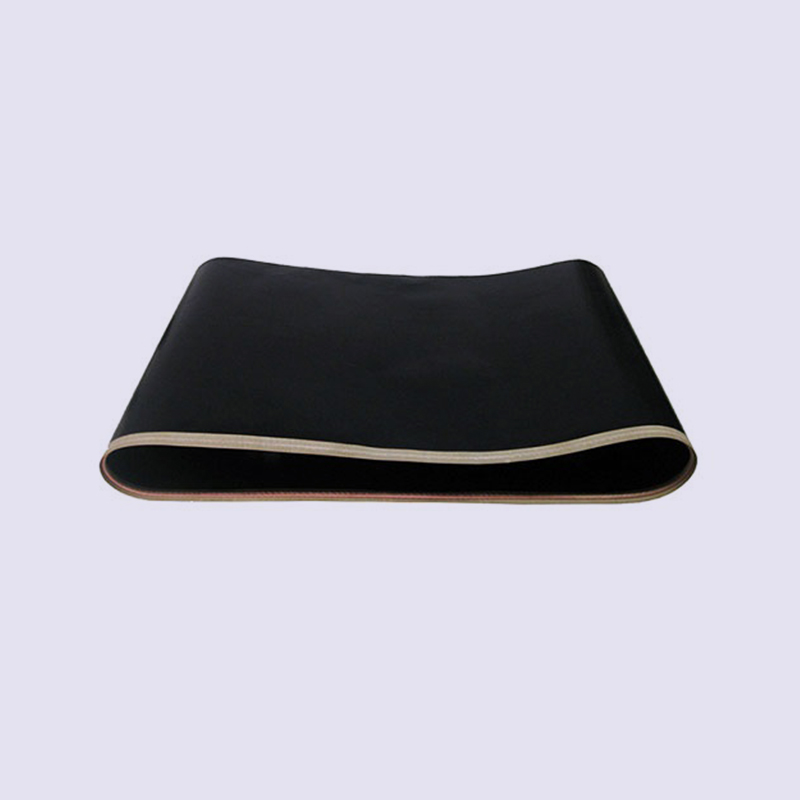
One of the main durability advantages of silicone-coated belts is their ability to withstand high temperatures. Industries such as food processing, packaging, and electronics often expose belts to heat. Standard conveyor belts made of rubber or PVC may deform or degrade under continuous high temperatures, whereas silicone-coated belts maintain structural integrity.
Temperature Tolerance Comparison
- Silicone-coated belts: typically stable from -60°C to 250°C.
- Rubber belts: usually stable up to 80-100°C, higher heat can cause softening or cracking.
- PVC belts: heat exposure can lead to shrinkage and surface wear.
Chemical Resistance and Cleaning
In chemical, pharmaceutical, and food industries, belts are often exposed to acids, oils, solvents, and cleaning agents. Silicone-coated belts resist most chemicals and maintain surface integrity, unlike standard rubber or PU belts that may swell, discolor, or lose elasticity.
Maintenance and Cleaning Benefits
- Non-stick silicone reduces residue buildup, simplifying cleaning procedures.
- High chemical resistance extends service intervals and reduces downtime.
- Lower maintenance costs compared to standard belts subjected to frequent chemical wear.
Mechanical Strength and Wear Resistance
Durability also depends on mechanical properties such as tensile strength, elongation, and abrasion resistance. Silicone-coated belts, reinforced with woven or polyester fabric cores, exhibit superior tensile strength and resistance to stretching. Standard rubber belts may stretch or tear under heavy loads or high-speed operation, decreasing overall durability.
Wear Resistance Comparison
- Silicone-coated belts: high abrasion resistance, long lifespan under continuous operation.
- Rubber belts: prone to surface wear and cracking under high friction or load.
- PU belts: moderate durability but can degrade under prolonged heavy stress.
Environmental Factors Affecting Durability
Environmental exposure, including UV light, moisture, and temperature variations, impacts belt longevity. Silicone-coated belts resist UV degradation, maintaining mechanical properties and flexibility in outdoor applications. Standard belts may experience brittleness, cracking, or loss of tensile strength over time.
Cost vs. Durability Analysis
While silicone-coated belts typically have a higher initial cost than standard belts, their enhanced durability, low maintenance needs, and reduced downtime often result in lower total cost of ownership. In environments with extreme temperatures, chemicals, or frequent cleaning, silicone-coated belts provide significant value compared to rubber or PU alternatives.
Durability Summary Table
| Property | Silicone-Coated Belts | Standard Rubber/PU Belts |
| Temperature Resistance | -60°C to 250°C | -20°C to 100°C |
| Chemical Resistance | High, resists acids, oils, solvents | Moderate, may degrade under chemicals |
| Wear Resistance | Excellent, reinforced fabric core | Moderate, may tear or stretch |
| UV and Environmental Stability | High, resistant to degradation | Low, may become brittle over time |
Conclusion
Silicone-coated belts offer superior durability compared to standard rubber or PU conveyor belts. Their high temperature resistance, chemical stability, mechanical strength, and UV resilience make them ideal for demanding industrial applications. Although initial costs are higher, their long-term performance, reduced maintenance, and operational efficiency justify the investment. Choosing silicone-coated belts can significantly extend service life and lower total operating costs in challenging production environments.


Copyright © Jiangsu Bocheng New Tech Materials Co., Ltd. All Rights Reserved. Silicone PTFE Composite Material Solutions
