
 Language
  English
 Español
Do Silicone Baking Mats Work for Baking Bread?
News-
Baking bread at home can be a deeply satisfying experience. From the smell of fresh dough to the golden crust of a finished loaf, it’s a sensory joy. Yet, for many home bakers, one common question arises: can silicone baking mats help in achieving perfect bread loaves?
What is a Silicone Baking Mat?
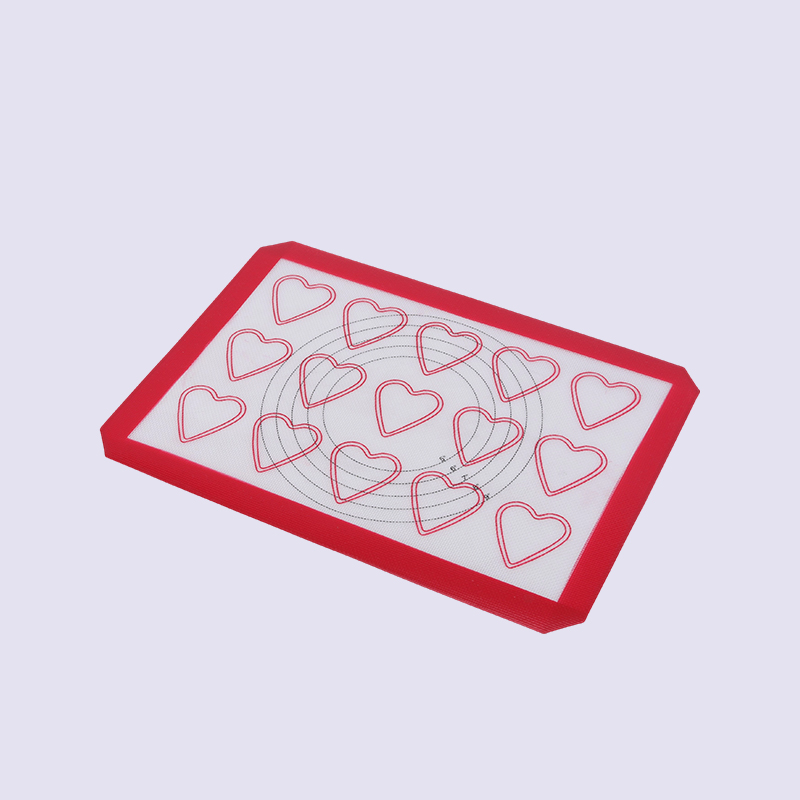
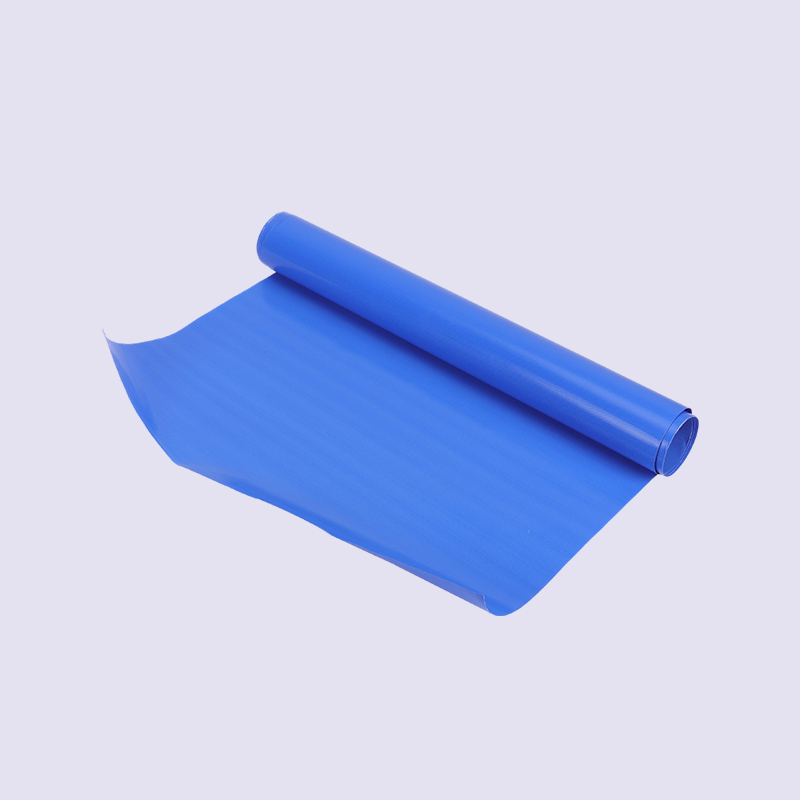
A silicone baking mat is a non-stick sheet made primarily from food-grade silicone, often reinforced with fiberglass for added stability. It is designed to replace parchment paper or greasing baking sheets. Silicone mats are heat-resistant, flexible, and reusable, making them a popular choice among bakers who want to reduce waste and simplify cleanup. They are typically sold in standard sheet sizes to fit half or full baking trays, but some mats are round or oval to fit specialty pans.
Key features of a silicone baking mat include:
- Non-stick surface: Helps prevent sticking without the need for additional flour, oil, or butter.
- Heat resistance: Most mats can withstand temperatures ranging from 220°C to 260°C (428°F to 500°F).
- Flexibility: Easy to roll or fold for storage.
- Ease of cleaning: Can be wiped down, washed by hand, or cleaned in a dishwasher.
Can You Bake Bread on a Silicone Baking Mat?
The short answer is yes, you can bake bread on a silicone baking mat. Many home bakers use silicone mats as a convenient surface for kneading, proofing, and baking. However, the results may vary depending on the type of bread, baking method, and the mat’s quality.
Bread Types That Work Well on Silicone Mats
- Artisan-style breads: Rustic loaves, baguettes, and sourdoughs can be baked directly on silicone mats, especially if you prefer a soft, even crust.
- Soft sandwich breads: Doughs enriched with milk, butter, or eggs generally benefit from the non-stick surface, which prevents sticking and tearing.
- Flatbreads and focaccia: Silicone mats are excellent for sticky doughs, like focaccia, where a lightly oiled mat can prevent sticking while ensuring even cooking.
Bread Types That May Require Extra Care
- Crusty European-style breads: Achieving a crisp, thick crust may be slightly more challenging on silicone mats because they do not absorb moisture like parchment paper or baking stones.
- Very sticky doughs: While silicone mats reduce sticking, extremely wet doughs may still require dusting with flour or cornmeal.
Advantages of Using a Silicone Baking Mat for Bread
1. Non-Stick Surface Reduces Waste and Cleanup
A primary benefit of silicone mats is their non-stick nature. Unlike greased pans or parchment paper, a silicone mat often eliminates the need for oil, butter, or additional flour. This not only reduces fat intake but also makes cleaning far easier. A quick wipe or a rinse in warm soapy water is often enough to clean the mat after baking.
2. Even Heat Distribution
High-quality silicone mats often include a fiberglass mesh reinforcement, which helps distribute heat evenly across the surface. This can promote more uniform baking, minimizing the risk of undercooked centers or overly dark bottoms.
3. Reusable and Eco-Friendly
Unlike parchment paper, which is typically single-use, silicone mats are reusable for hundreds of bakes. This reduces waste and can save money in the long term. For environmentally conscious bakers, this is a significant advantage.
4. Convenient for Proofing
Many bakers use silicone mats as a surface for proofing dough. The non-stick surface allows dough to rise without sticking, and some mats include printed measurements or guidelines, making it easier to portion dough for rolls, buns, or loaves.
Limitations of Silicone Mats in Bread Baking
While silicone mats offer many benefits, there are some considerations to keep in mind.
1. Crust Texture Differences
Breads baked on silicone mats may develop a slightly softer crust compared to those baked on a preheated baking stone or ungreased metal pan. The mat insulates the bread from direct heat, which can prevent the classic, crisp bottom crust many artisan bread enthusiasts prefer. To compensate, some bakers use a baking steel, stone, or broil the bread for a few minutes at the end.
2. Limited High-Temperature Use
Although most silicone mats are heat-resistant up to 260°C (500°F), certain breads, such as pizza or some sourdough recipes, may benefit from higher temperatures to achieve maximum oven spring or crust development. Always check the manufacturer’s recommended temperature limits before using the mat.
3. Size Constraints
Silicone mats are typically sold in standard sizes. Very large or specialty baking pans may require trimming the mat, which is possible but may compromise the mat’s durability over time.
4. Slower Browning
Because silicone mats do not absorb moisture like parchment paper, bread bottoms may brown slightly slower. Some bakers lightly oil or dust the mat with flour to achieve a golden crust, but this can slightly reduce the non-stick benefit.
Tips for Baking Bread on a Silicone Mat
- Preheat Your Oven Properly: Preheating ensures even baking and helps the bread rise correctly.
- Use Minimal Flour or Cornmeal: If your dough is very sticky, lightly dust the silicone mat to prevent sticking without affecting non-stick properties.
- Check the Mat’s Temperature Limit: Avoid exceeding the manufacturer’s recommended heat to prevent warping or degradation.
- Consider Adding Steam: For artisan breads, introducing steam in the oven (with a water tray or misting spray) can help develop a crisp crust even when using a silicone mat.
- Rotate the Baking Tray: To ensure even baking, rotate the tray halfway through the cooking time.
How to Care for a Silicone Baking Mat
Proper maintenance can extend the life of your silicone mat and improve baking results.
- Cleaning: Wash with warm, soapy water or place in the dishwasher. Avoid abrasive scrubbers, which can damage the surface.
- Drying: Always dry completely before storing to prevent mold or odors.
- Storage: Store flat or rolled up loosely; avoid folding tightly, which can create permanent creases.
- Avoid Sharp Objects: Knives, pizza cutters, or other sharp tools can cut or puncture the mat.
With proper care, a silicone baking mat can last for hundreds of baking sessions, making it a durable and cost-effective tool for bread bakers.
Comparing Silicone Baking Mats to Other Surfaces
| Feature | Silicone Baking Mat | Parchment Paper | Baking Stone |
|---|---|---|---|
| Non-stick | Yes | Yes | No (requires flour or cornmeal) |
| Reusable | Yes | No | Yes |
| Heat retention | Moderate | Low | High |
| Crust crispness | Moderate | Moderate | High |
| Cleanup | Easy | Easy | Moderate |
This table shows that silicone mats strike a balance between convenience and baking quality, but for certain breads, baking stones or steel may still be preferred for achieving a crispier crust.
Real-World Use Cases
- Home bakers with small ovens: Silicone mats are perfect for regular use and easy cleanup.
- Families baking multiple loaves: Mats allow for proofing and baking on the same surface, minimizing mess.
- Bakers seeking eco-friendly options: Reusable mats reduce reliance on disposable parchment paper.
- Beginners learning to bake: Mats reduce frustration from sticking dough or messy cleanup, making the learning process smoother.
Final Verdict
Do silicone baking mats work for baking bread? Absolutely. They are versatile, convenient, and can produce excellent results for most types of bread. While they may not perfectly replicate the crisp crust of a baking stone or absorb moisture like parchment paper, silicone mats are an excellent choice for soft, evenly baked loaves, sticky doughs, and everyday home baking.
To maximize results, consider your bread type, oven temperature, and whether you need extra tools like a baking stone or steam tray. With these considerations, a silicone baking mat can become a trusted companion in your bread-baking journey, helping you create delicious loaves with minimal cleanup.


Copyright © Jiangsu Bocheng New Tech Materials Co., Ltd. All Rights Reserved. Silicone PTFE Composite Material Solutions
