
 Language
  English
 Español
Which Industries Commonly Use Single Side PTFE Coated Fiberglass Fabric and Why?
News-Single side PTFE coated fiberglass fabric combines the mechanical strength of fiberglass with the non-stick, chemical-resistant properties of polytetrafluoroethylene (PTFE). Its unique features make it an essential material across multiple industries where heat resistance, durability, and non-stick surfaces are critical.
Overview of Single Side PTFE Coated Fiberglass Fabric
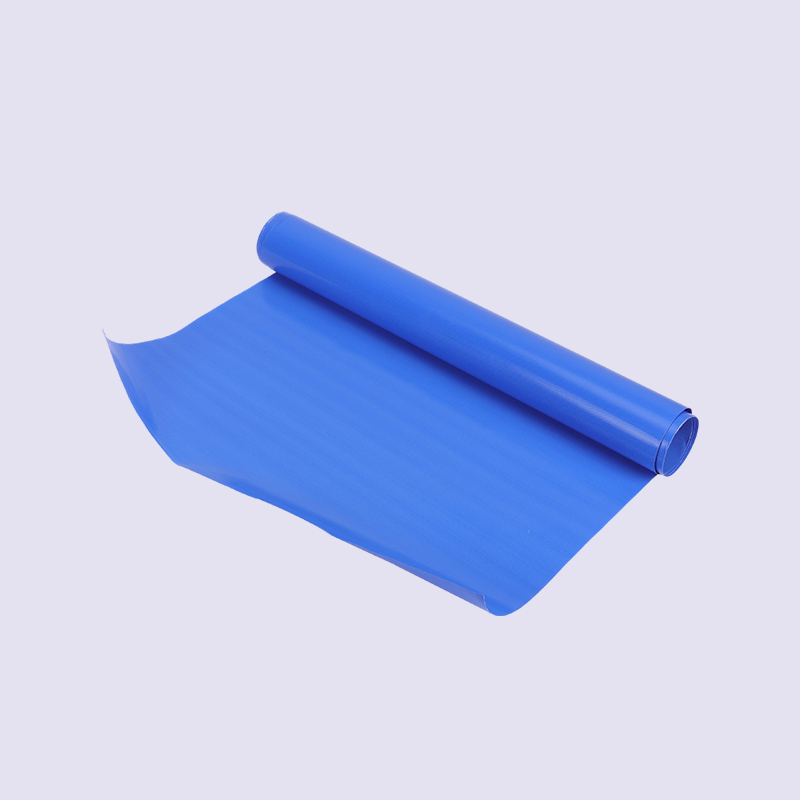
This fabric features a layer of PTFE coating applied to one side of the fiberglass base. The coating enhances surface smoothness, chemical resistance, and thermal stability, while the fiberglass provides tensile strength and dimensional stability. This combination makes the material suitable for high-performance applications where traditional fabrics would fail.
Heat and Chemical Resistance Properties
High Temperature Tolerance
Single side PTFE coated fiberglass fabric can withstand temperatures up to 260°C (500°F) without degradation. This property makes it suitable for applications in ovens, heat sealing, and other thermal processes where consistent performance under extreme heat is required.
Chemical and Corrosion Resistance
PTFE provides excellent resistance to a wide range of chemicals, including acids, bases, and solvents. When applied to fiberglass, the resulting fabric is ideal for environments where exposure to reactive substances is common, ensuring longevity and reducing maintenance costs.
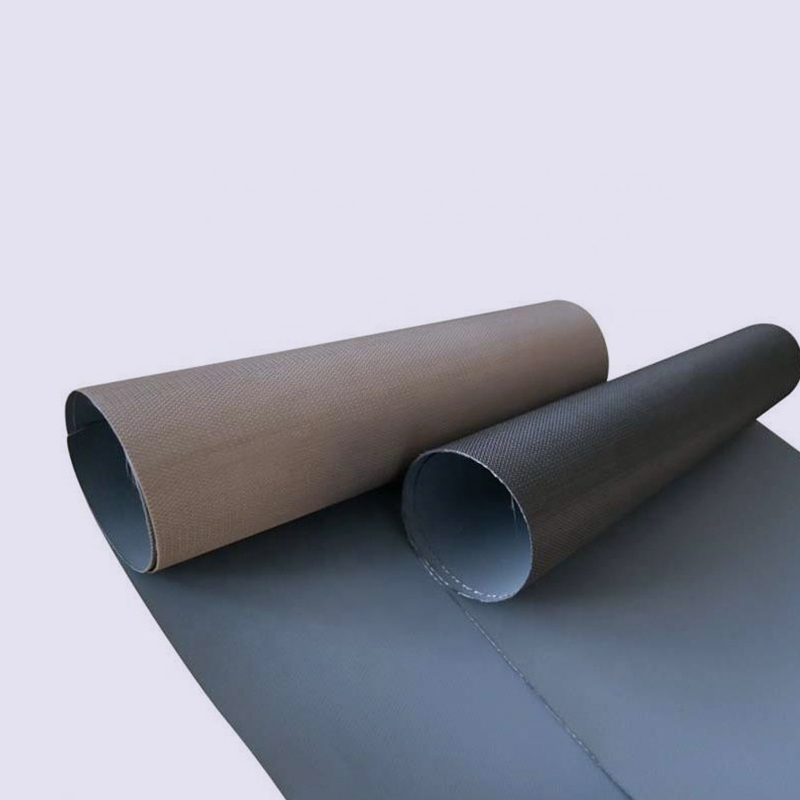
Key Industries Using Single Side PTFE Coated Fiberglass Fabric
Food Processing and Packaging
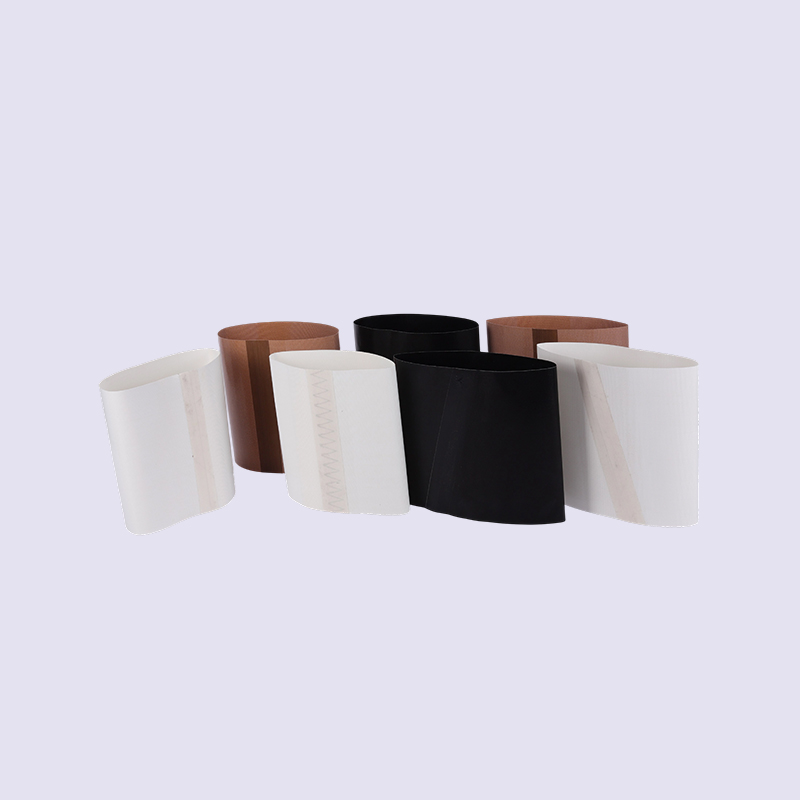
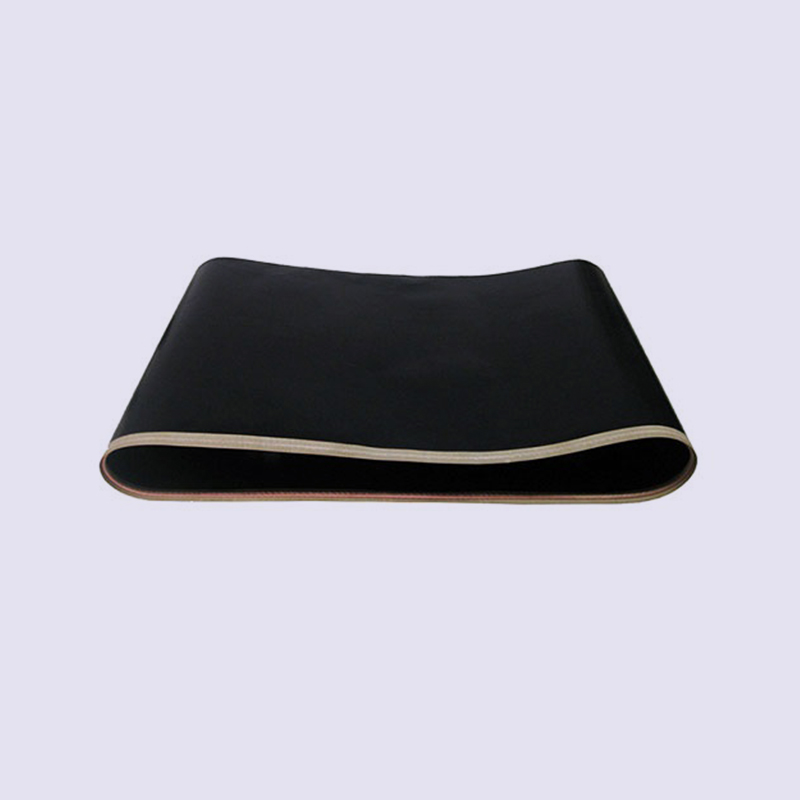
In the food industry, this fabric is used for conveyor belts, baking liners, and drying sheets. The non-stick PTFE surface prevents food from adhering, ensuring consistent cooking and easy cleaning. Its high temperature resistance allows it to operate in ovens and heat tunnels safely.
Industrial Heat Sealing and Laminating
PTFE coated fabrics are widely used in heat sealing machines for packaging films and laminates. The non-stick surface prevents adhesion to the sealing element, while the fiberglass ensures dimensional stability under repeated thermal cycles.
Electronics and Electrical Insulation
Electronics manufacturing benefits from single side PTFE coated fiberglass fabric as insulation sheets, protective layers, and cable wraps. The combination of electrical insulation, heat resistance, and chemical inertness ensures reliable performance in circuit boards and other sensitive components.
Composite Molding and Industrial Release Liners
In composite manufacturing, PTFE coated fiberglass fabrics serve as release liners for molding processes. The smooth PTFE surface allows molded components to separate easily without adhesives, reducing production defects and improving efficiency.
Textile and Laminated Material Applications
Industries producing laminated fabrics, coated textiles, and non-stick fabrics use PTFE coated fiberglass to ensure heat resistance and durability. Its flexibility and resistance to wear allow repeated use in industrial presses and heat application processes.
Advantages Across Industries
- High heat tolerance up to 260°C (500°F)
- Non-stick surface prevents material adherence
- Excellent chemical and corrosion resistance
- Durable fiberglass base provides tensile strength
- Reusable and easy to clean, reducing operational costs
Comparison Table: PTFE Coated vs Other Coated Fabrics
| Feature | Single Side PTFE Fiberglass | Silicone Coated Fabric | Uncoated Fiberglass |
| Max Temperature | 260°C | 230°C | 500°C (structural only) |
| Non-stick Surface | Yes | Moderate | No |
| Chemical Resistance | High | Moderate | Low |
| Durability | High | Moderate | Moderate |
Conclusion
Single side PTFE coated fiberglass fabric is a versatile material used across food processing, electronics, composite manufacturing, and industrial heat applications. Its combination of non-stick surface, chemical resistance, and heat tolerance makes it indispensable for industries that require durable, high-performance fabrics. By understanding its properties and applications, manufacturers can optimize production processes, enhance efficiency, and ensure long-lasting performance.


Copyright © Jiangsu Bocheng New Tech Materials Co., Ltd. All Rights Reserved. Silicone PTFE Composite Material Solutions
