
 Language
  English
 Español
Is PTFE (Teflon) Safe Enough for Everyday Kitchen Use?
News-What Is PTFE and Why Is It Used in Kitchen Products?
Polytetrafluoroethylene — universally known by DuPont's brand name Teflon — is a synthetic fluoropolymer composed entirely of carbon and fluorine atoms. The carbon-fluorine bond is one of the strongest in organic chemistry, giving PTFE an almost uniquely inert chemical character: it does not react with food, oils, acids, bases, or cleaning agents under normal kitchen conditions. This chemical inertness, combined with a surface friction coefficient lower than almost any other solid material, is the foundation of PTFE's dominance in kitchen non-stick cookware, bakeware, and food processing equipment.
PTFE was discovered by accident in 1938 when DuPont chemist Roy Plunkett found that a cylinder of tetrafluoroethylene gas had polymerized into a waxy white solid. Its kitchen application came later — a French engineer named Marc Grégoire applied PTFE coating to a fishing rod, and his wife famously suggested applying the same technology to cookware. By the 1960s, PTFE-coated pans were a mainstream consumer product worldwide, and today they appear in a far broader range of kitchen items than most home cooks recognize.
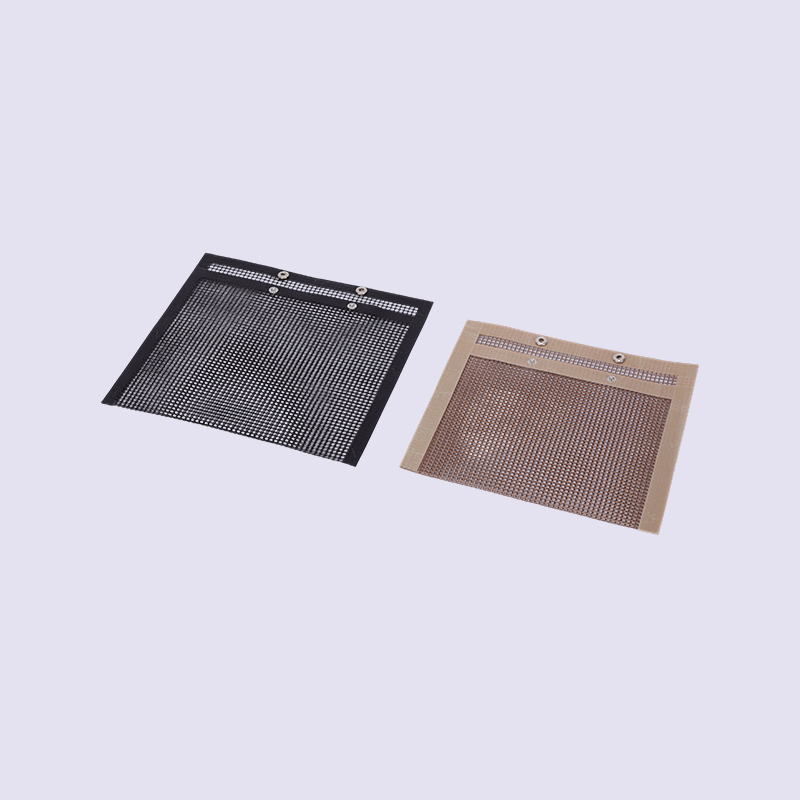
The Full Range of Kitchen PTFE Products
Most people associate PTFE with non-stick frying pans, but the material appears in a much wider range of kitchen and food preparation products. Understanding where PTFE is present in the kitchen helps users make informed decisions about appropriate handling and care for each product type.
- Non-stick cookware (pans, woks, griddles, sauté pans): The most familiar PTFE application. A thin layer of PTFE coating — typically 20–35 microns in total across two to three applied layers — is bonded to an aluminum, stainless steel, or cast iron substrate through a primer adhesion layer. The PTFE surface prevents food from bonding to the metal and allows cooking with minimal oil.
- Bakeware (sheet pans, cake tins, muffin trays, loaf pans): PTFE-coated bakeware provides reliable food release without greasing, reduces cleaning time, and is particularly valued for sticky baked goods like caramelized tarts, brownies, and breads. Bakeware coatings are formulated to withstand oven temperatures rather than stovetop direct-flame conditions.
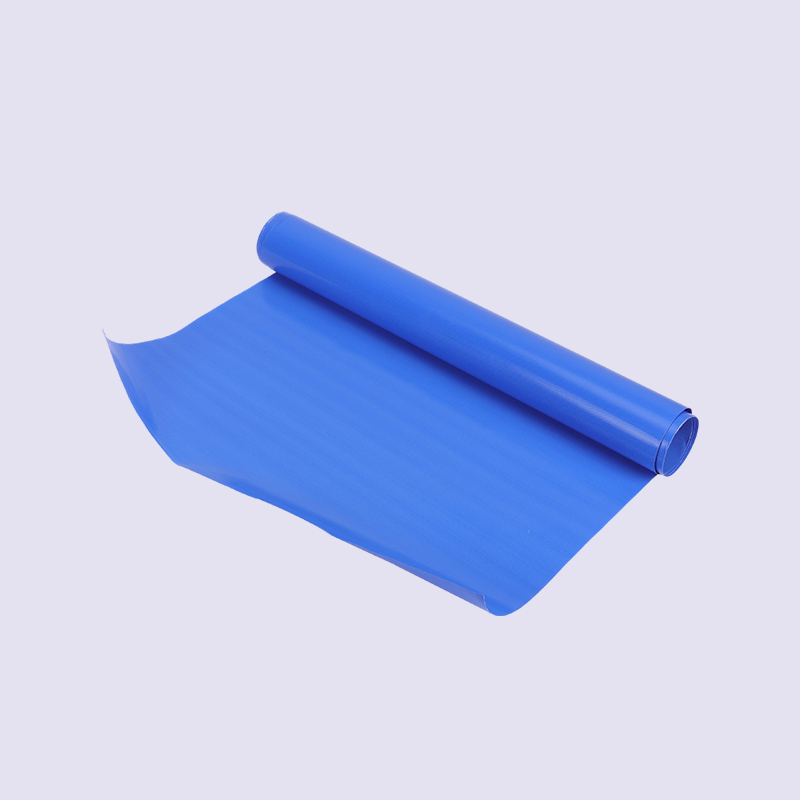
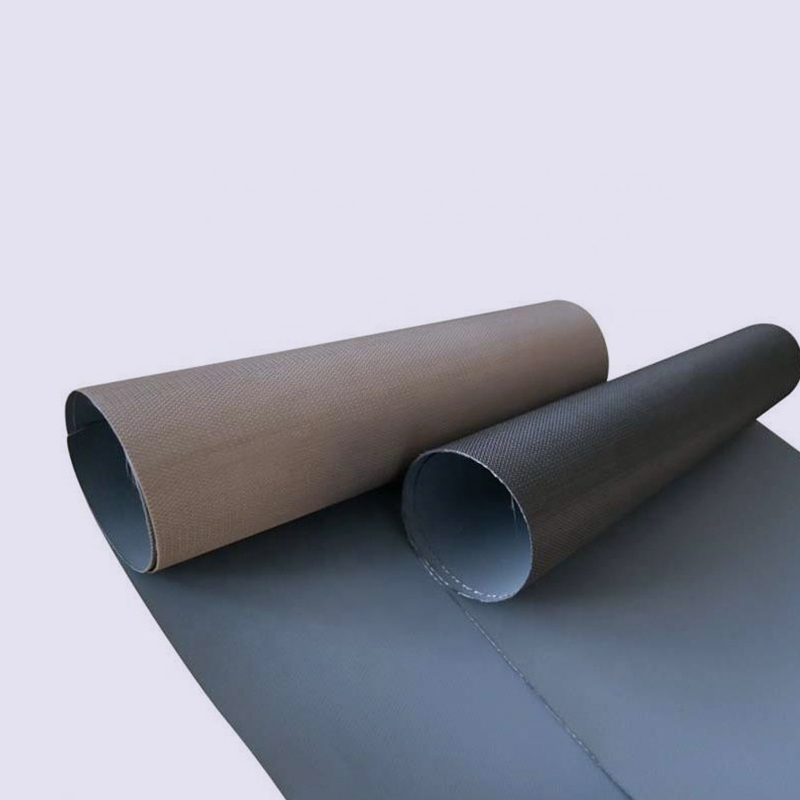
- PTFE oven liners and baking sheets: Reusable PTFE-coated fiberglass mesh sheets used as oven liners or baking surfaces for pizzas, pastries, and cookies. These products are typically rated to 260°C (500°F) and are designed for repeated use and dishwasher cleaning.
- Waffle makers, sandwich presses, and electric grills: The heated cooking surfaces of countertop appliances are almost universally coated with PTFE to prevent sticking and simplify cleaning of the complex ridged surface geometries that are difficult to clean by other means.
- PTFE-coated utensils and cutting boards: Some knife blades, pastry scrapers, and cutting surfaces incorporate PTFE coatings to reduce food adhesion, though these applications are less common than cookware.
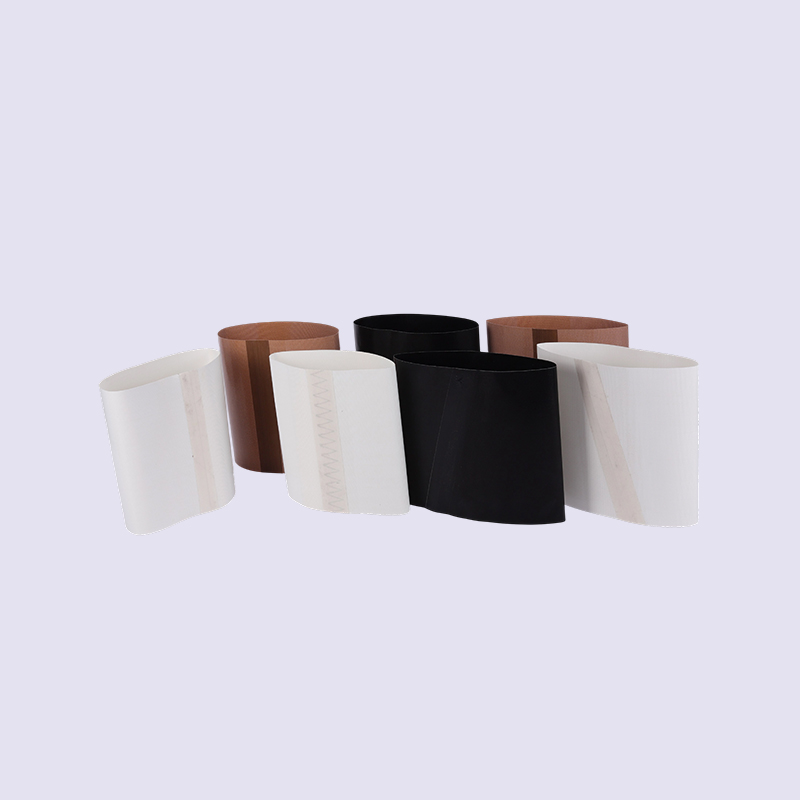
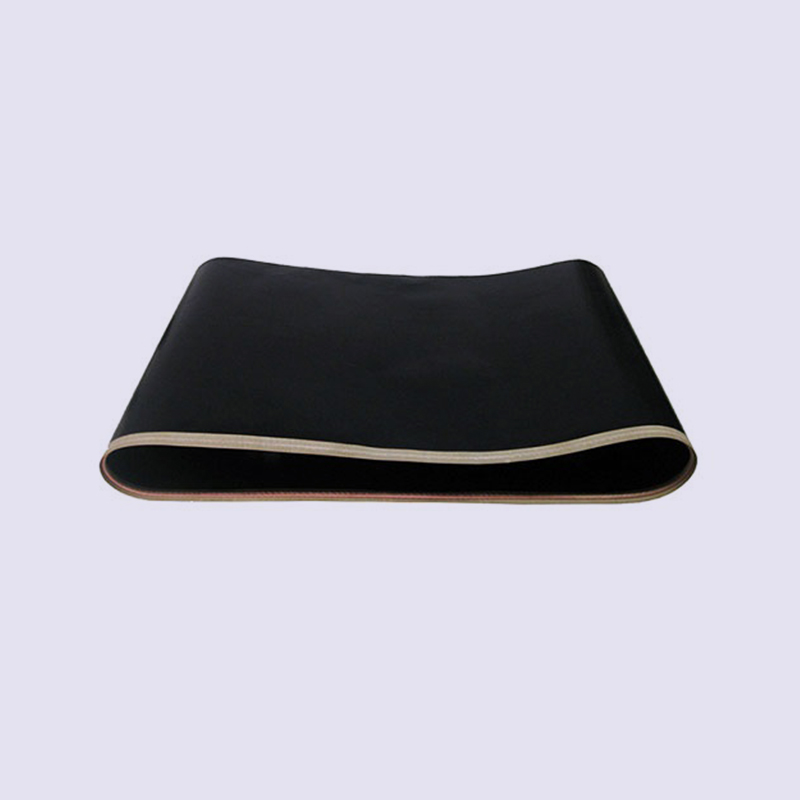
- Food processing equipment: Commercial food production uses PTFE extensively in conveyor belts, chute liners, bread molding surfaces, dough processing equipment, and sealing jaws on packaging machines — all applications that benefit from PTFE's food release and chemical inertness in continuous production environments.
Is PTFE Safe for Daily Kitchen Use? The Scientific Position
The safety of PTFE in kitchen use is one of the most frequently asked and most frequently misrepresented topics in consumer food safety discussion. The scientific consensus, supported by regulatory assessments from the U.S. FDA, the European Food Safety Authority (EFSA), and health agencies in most developed countries, is that PTFE itself is biologically inert and poses no health risk in normal kitchen use. The confusion arises from conflating PTFE with PFOA (perfluorooctanoic acid), a processing aid chemical formerly used in the manufacture of PTFE coatings that has been identified as a persistent environmental contaminant with potential health concerns.
PFOA was phased out of PTFE cookware manufacturing globally by 2013 under voluntary industry agreements and subsequent regulatory requirements. PTFE cookware manufactured and sold since 2013 does not contain PFOA at detectable levels. The polymer itself — the PTFE coating on the pan surface — does not release PFOA or any other harmful compound into food at normal cooking temperatures. When PTFE is tested by regulatory agencies for food contact safety, it consistently meets the most stringent global standards for migration of substances into food.
What Happens When PTFE Is Heated?
PTFE begins to slowly degrade above 260°C (500°F), releasing trace amounts of fluorinated decomposition products. At temperatures above 350°C (660°F), the rate of decomposition accelerates significantly. At temperatures approaching 400°C (750°F) — which can be reached by an empty pan left on high heat for several minutes — PTFE releases decomposition gases that can cause flu-like symptoms (dubbed "Teflon flu" or polymer fume fever) in humans exposed in poorly ventilated spaces, and that are acutely toxic to pet birds due to their extremely sensitive respiratory systems.
The critical point is that normal cooking temperatures do not approach the degradation threshold. Frying food in oil in a PTFE pan operates at 160–200°C. Oven baking at 220°C is well within the safe zone. The risk of PTFE degradation arises only from misuse — specifically, heating an empty PTFE-coated pan on maximum heat for an extended period, which is not a normal cooking practice. Understanding this temperature context makes it clear that the safety question is not about whether PTFE is safe, but about whether it is used correctly.
PTFE Temperature Guidelines for Kitchen Products
The following table summarizes safe and unsafe temperature thresholds for PTFE-coated kitchen products based on manufacturer guidance and independent research:
| Temperature Range | PTFE Condition | Typical Kitchen Activity | Safety Status |
| Below 260°C (500°F) | Fully stable | Frying, sautéing, baking, grilling | Safe for daily use |
| 260–300°C (500–570°F) | Minor surface changes begin | High-heat searing, broiling | Avoid sustained exposure |
| 300–350°C (570–660°F) | Decomposition begins slowly | Empty pan on high heat | Not recommended; coating degrades |
| Above 350°C (660°F) | Rapid decomposition | Severely overheated pan (misuse) | Unsafe; ventilate immediately |
How to Use PTFE Kitchen Products Correctly Every Day
The practical guidelines for safe, effective daily use of PTFE kitchen products follow directly from understanding the material's temperature behavior and physical properties. Following these guidelines consistently extends the service life of PTFE products and ensures they remain within the conditions verified as safe by regulatory authorities.
- Never preheat an empty PTFE pan on high heat: An empty aluminum pan on maximum gas or electric heat reaches 300°C or higher within 2–3 minutes. Always add food, butter, or oil before or immediately after turning on the heat, and use medium heat for most PTFE cookware tasks. PTFE's non-stick properties function perfectly at medium heat — there is no cooking advantage to using maximum heat settings.
- Match heat level to the cooking task: Eggs, pancakes, and delicate fish need only low to medium-low heat. Sautéed vegetables and stir-fries operate well at medium heat. For high-heat searing of meats where temperatures approaching the PTFE limit are more likely, consider using cast iron, carbon steel, or stainless steel cookware instead — these are better suited to searing applications and are not temperature-limited in the same way.
- Use wooden, silicone, or nylon utensils: Metal utensils — particularly sharp-edged metal spatulas, whisks, and tongs — scratch and chip the PTFE coating. Once the coating is scratched through to the base metal, the damaged area no longer provides non-stick performance and the structural integrity of the coating is compromised. Soft utensil materials preserve the coating surface effectively through years of daily use.
- Hand wash with a soft sponge: Dishwasher detergents are alkaline and abrasive, and the mechanical action of dishwasher spray arms subjects PTFE cookware to conditions that accelerate coating wear. Most PTFE-coated cookware manufacturers specify hand washing for this reason, regardless of whether the product is labeled "dishwasher safe." A soft sponge with mild dish soap and warm water cleans PTFE surfaces completely with no risk of coating damage.
- Store with protective padding between stacked pans: Stacking bare metal or heavy cookware directly on PTFE-coated surfaces causes impact scratching and surface abrasion that progressively degrades the coating. Soft pan protectors, kitchen towels, or felt pads placed between stacked pans prevent this damage during storage.
- Remove pets from the kitchen when using PTFE cookware: Pet birds — canaries, parakeets, parrots — are disproportionately sensitive to airborne fluoropolymer particles and should not be kept in or near the kitchen when PTFE cookware is in use at high heat. This precaution applies even within the safe operating range, as birds can be affected at concentrations that cause no symptoms in humans.
When to Replace PTFE-Coated Kitchen Products
A well-maintained PTFE-coated pan used at correct temperatures and cleaned carefully can remain in serviceable condition for three to five years or longer. However, the coating does wear over time, and recognizing when a PTFE product has reached end of service life is important for both cooking performance and safety confidence.
The primary indicator that replacement is needed is visible coating damage — deep scratches that expose the underlying metal substrate, flaking or peeling of the PTFE layer, or areas where the coating has bubbled and separated from the substrate. Minor surface dulling and slight reduction in non-stick performance over time are normal signs of wear and do not require immediate replacement. Only when the coating is visibly damaged to the point where fragments could physically detach and enter food should the pan be retired from use. Small ingested PTFE fragments are chemically inert and pass through the digestive system without absorption, but the underlying exposed metal in a damaged pan is no longer protected and the non-stick surface is functionally compromised.
PTFE vs. Alternative Non-Stick Coatings: Making an Informed Choice
Consumer concern about PTFE safety — often based on outdated PFOA-era information — has driven significant growth in marketing of "PTFE-free" and "ceramic" non-stick cookware. Understanding how these alternatives compare to PTFE helps kitchen users make purchasing decisions based on actual performance and safety data rather than marketing claims.
| Coating Type | Non-Stick Performance | Durability | Max. Safe Temp. | Safety Status |
| PTFE (post-2013) | Excellent | Good (3–5 years) | 260°C (500°F) | FDA / EFSA approved |
| Ceramic (sol-gel) | Good initially; fades faster | Moderate (1–2 years) | 450°C (840°F) | Safe; no fluoropolymers |
| Hard-anodized aluminum | Moderate | Very good | No specific limit | Safe |
| Seasoned cast iron | Good when seasoned | Excellent (decades) | No specific limit | Safe |
The practical conclusion for most home cooks is that PTFE-coated cookware — manufactured after 2013 and used according to the temperature and care guidelines above — is entirely appropriate for daily kitchen use and remains the non-stick solution with the best combination of performance, durability, and cost across its service life. For high-heat cooking tasks such as searing steaks or wok cooking at maximum heat, cast iron or carbon steel are better-matched tools that do not require temperature management. Using the right cookware material for the right cooking task — rather than relying on a single surface type for everything — is the most practical approach to getting excellent cooking results while respecting the performance envelope of each material.


Copyright © Jiangsu Bocheng New Tech Materials Co., Ltd. All Rights Reserved. Silicone PTFE Composite Material Solutions
