
 Language
  English
 Español
How Does Teflon Coated Fiberglass Fabric Improve Industrial Performance?
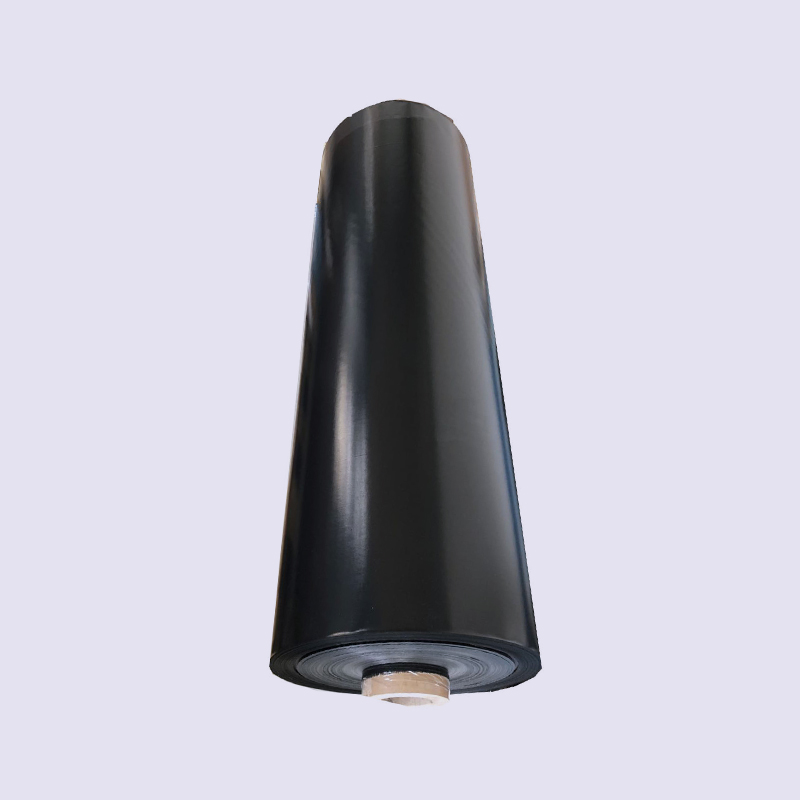
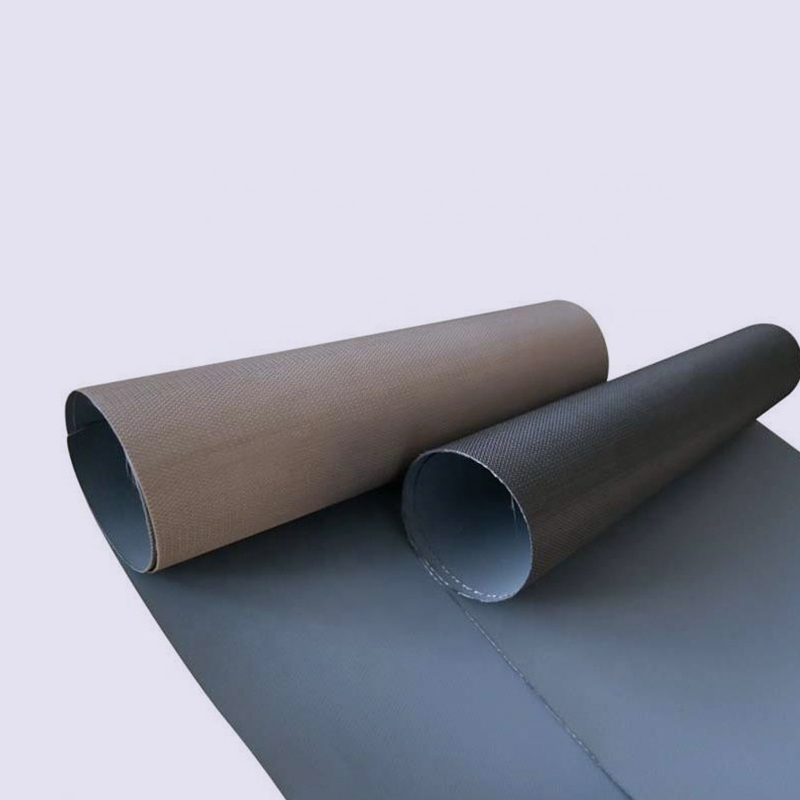
News-Teflon coated fiberglass fabric is a high-performance material known for its exceptional resistance to heat, chemicals, and electrical conductivity. This unique fabric is created by applying a layer of Teflon (PTFE) to fiberglass fibers, resulting in a durable, versatile material with a wide range of applications across many industries. In this article, we will explore the properties, manufacturing process, applications, and benefits of Teflon coated fiberglass fabric.
What is Teflon Coated Fiberglass Fabric?
Teflon coated fiberglass fabric combines the excellent strength and heat resistance of fiberglass with the non-stick, chemical-resistant, and electrically insulating properties of Teflon. This combination makes the fabric ideal for demanding applications where traditional materials may fail. It is widely used in industries that require durable, heat-resistant materials, including the aerospace, automotive, and electronics industries.
Properties of Teflon Coated Fiberglass Fabric
Teflon coated fiberglass fabric boasts a variety of properties that make it a preferred material for industrial applications:
- Excellent Heat Resistance: Can withstand temperatures up to 500°F (260°C) without degradation.
- Chemical Resistance: Resistant to most acids, alkalis, and solvents.
- Non-stick Surface: Teflon coating prevents adhesion of most substances, reducing cleaning and maintenance requirements.
- Electrical Insulation: Offers high resistance to electrical conductivity, making it ideal for insulating purposes.
- Durability: High tensile strength and abrasion resistance make the fabric long-lasting and tough.
Manufacturing Process of Teflon Coated Fiberglass Fabric
The process of manufacturing Teflon coated fiberglass fabric involves several key steps:
- Weaving the Fiberglass: The first step is to weave fiberglass fibers into a fabric. These fibers are known for their high strength and resistance to heat.
- Applying Teflon Coating: After weaving the fiberglass fabric, a layer of Teflon is applied. The Teflon is either sprayed or dipped onto the fabric, ensuring a consistent and even coating.
- Curing the Fabric: The fabric is then cured at high temperatures, allowing the Teflon coating to bond firmly with the fiberglass fibers.
- Finishing: The final fabric is inspected for consistency, durability, and other quality checks before being shipped out for use in various applications.
Applications of Teflon Coated Fiberglass Fabric
Teflon coated fiberglass fabric is used in a variety of applications due to its unique combination of properties:
- Aerospace Industry: Used in the construction of heat shields, gaskets, and seals due to its heat resistance and durability.
- Automotive Industry: Ideal for heat-resistant automotive parts such as brake pads, hoses, and insulation.
- Electronics: Used for insulation in high-voltage cables and electronic components due to its electrical insulating properties.
- Food Processing: Teflon coated fiberglass fabric is used as a non-stick surface for conveyors, packaging, and other machinery in food production.
- Industrial Applications: Common in industrial filtration, textile manufacturing, and as a protective barrier in environments exposed to high temperatures.
Benefits of Teflon Coated Fiberglass Fabric
The primary benefits of Teflon coated fiberglass fabric include:
- Enhanced Performance: Teflon coating significantly improves the performance of fiberglass fabric by adding resistance to heat, chemicals, and wear.
- Longer Service Life: The durability of Teflon coated fiberglass extends the service life of components in harsh environments.
- Reduced Maintenance: The non-stick surface prevents the buildup of substances, making it easier to maintain equipment and machinery.
- Cost-Effectiveness: While the initial cost may be higher, the longevity and durability of Teflon coated fiberglass reduce the need for frequent replacements, saving costs in the long run.
Conclusion
Teflon coated fiberglass fabric is an incredibly versatile and durable material that has proven its value across a range of industries. From aerospace to food processing, its unique properties make it ideal for use in applications where high heat resistance, chemical resistance, and electrical insulation are required. With its durability and low maintenance, Teflon coated fiberglass fabric continues to be an indispensable material in the modern industrial landscape.


Copyright © Jiangsu Bocheng New Tech Materials Co., Ltd. All Rights Reserved. Silicone PTFE Composite Material Solutions
