
 Language
  English
 Español
How to Apply PTFE Adhesive Tape: A Step-by-Step Guide
News-PTFE adhesive tape is a high-performance solution used in sealing, insulation, surface protection, and friction reduction across many industries. Because of its low friction, chemical resistance, and heat tolerance, PTFE tape is commonly used in electrical, mechanical, automotive, and manufacturing environments. However, to achieve optimal performance, it is essential to apply PTFE adhesive tape correctly. Improper application can lead to poor adhesion, premature failure, and reduced effectiveness.
This step-by-step guide explains how to apply PTFE adhesive tape properly, including surface preparation, application techniques, common mistakes to avoid, and best practices for long-term durability. Whether you are using PTFE tape for sealing, insulation, or wear protection, following these procedures will help you get professional, reliable results.
Understanding PTFE Adhesive Tape and Its Uses
PTFE adhesive tape is made from polytetrafluoroethylene film or fabric with a pressure-sensitive adhesive backing. The PTFE surface provides exceptional non-stick properties, while the adhesive layer allows it to bond to metals, plastics, glass, and other substrates. This combination makes the tape useful in environments where heat, chemicals, or friction would quickly degrade standard adhesive tapes.
Common applications include heat sealing equipment, conveyor belts, wire insulation, gasket protection, surface masking, and sliding surface liners. Understanding your specific application will help you select the correct tape thickness, adhesive type, and backing material for the job.
Choosing the Right PTFE Adhesive Tape
Selecting the correct PTFE adhesive tape is a critical first step. Not all PTFE tapes are the same, and choosing the wrong type can lead to poor adhesion or premature failure.
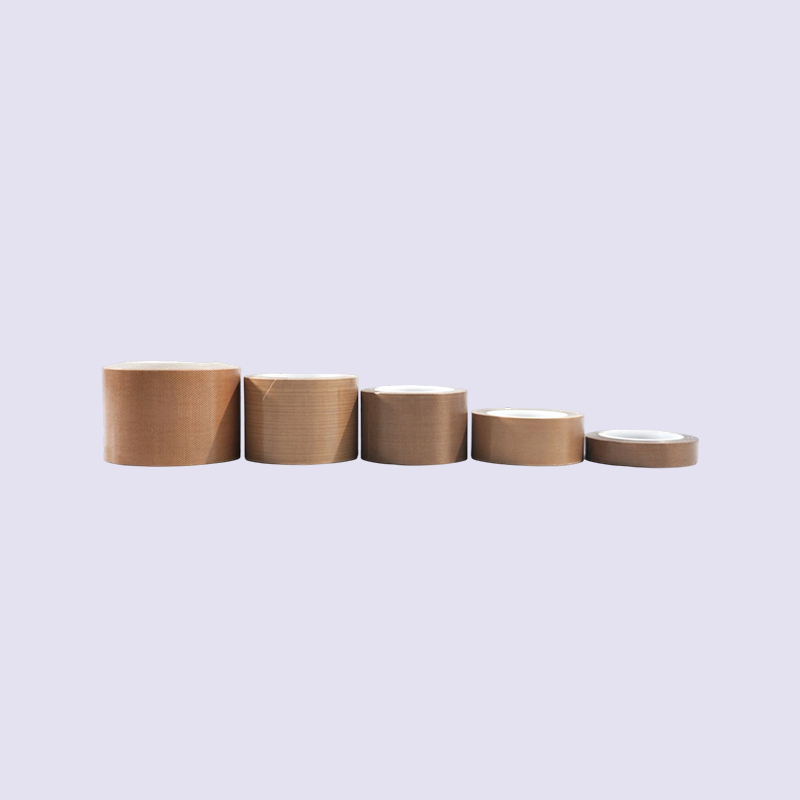
PTFE Film vs. PTFE Coated Fiberglass
PTFE film tape is thin and flexible, making it ideal for electrical insulation, surface protection, and applications requiring a smooth, low-friction surface. PTFE coated fiberglass tape is thicker and more durable, offering higher tensile strength and better resistance to abrasion, making it suitable for heat sealing, industrial machinery, and conveyor systems.
Adhesive Type and Temperature Rating
PTFE adhesive tapes typically use silicone or acrylic adhesives. Silicone adhesives perform well at high temperatures and on difficult surfaces, while acrylic adhesives provide stronger initial tack and better performance at lower temperatures. Always verify the operating temperature range to ensure compatibility with your application.
Surface Preparation Before Application
Proper surface preparation is one of the most important factors in successful PTFE adhesive tape application. Even the highest-quality tape will fail if applied to a dirty, oily, or uneven surface.
Cleaning the Surface
Remove all dust, grease, oil, moisture, and debris from the surface. Isopropyl alcohol is commonly used to clean metal and plastic substrates. Allow the surface to dry completely before applying the tape to prevent trapped moisture from weakening adhesion.
Checking Surface Condition
Inspect the surface for sharp edges, rust, loose coatings, or surface irregularities. Smooth and repair the surface if necessary. PTFE adhesive tape bonds best to smooth, solid substrates with consistent surface energy.
Measuring and Cutting the Tape
Accurate measurement and clean cutting help ensure proper coverage and a professional finish. Measure the application area carefully before cutting the tape to avoid excessive overlap or gaps.
- Use a clean, sharp utility knife or scissors for precise edges.
- Cut the tape slightly longer than needed to allow for final positioning.
- Avoid touching the adhesive side with your fingers to prevent contamination.
Step-by-Step PTFE Adhesive Tape Application
Applying PTFE adhesive tape correctly involves careful alignment, steady pressure, and proper tension control. Following a consistent process will improve adhesion and reduce the risk of wrinkles or air bubbles.
Positioning the Tape
Start by aligning one end of the tape with the desired starting point. Lightly tack down a short section to confirm alignment before committing to full application. This allows you to make adjustments if necessary.
Applying Even Pressure
Gradually press the tape onto the surface while pulling away the liner. Use consistent, firm pressure to activate the adhesive. A roller or squeegee tool can help apply uniform pressure and improve bonding strength.
Avoiding Air Bubbles and Wrinkles
Work slowly and press from the center outward to prevent air pockets. If bubbles appear, gently lift the tape and reapply before the adhesive fully sets. Wrinkles reduce contact area and can cause premature tape failure.
Overlapping and Seaming Techniques
In applications requiring multiple strips of PTFE tape, proper overlapping is important to maintain continuous protection or sealing. Overlaps should be consistent and minimal to avoid uneven surfaces.
- Overlap edges by 3–6 mm for consistent coverage.
- Press seam areas firmly to ensure full adhesion.
- Avoid excessive overlap that can create raised edges.
Post-Application Curing and Set Time
Although PTFE adhesive tape is pressure-sensitive, full bond strength may take time to develop. Allow the tape to rest without stress for the manufacturer’s recommended curing period. This is especially important for high-temperature or high-load applications.
Avoid exposing the tape to extreme heat, moisture, or mechanical stress immediately after application. Proper curing improves long-term adhesion and performance.
Common Application Mistakes to Avoid
Many PTFE tape failures are caused by avoidable mistakes. Understanding these issues helps prevent costly rework and downtime.
- Applying tape to dirty or oily surfaces.
- Using incorrect adhesive type for the temperature range.
- Stretching the tape excessively during application.
- Failing to apply sufficient pressure.
- Ignoring recommended curing time.
Maintenance and Replacement Best Practices
Regular inspection helps ensure PTFE adhesive tape continues to perform as intended. Look for signs of edge lifting, contamination, wear, or discoloration. Replace damaged sections promptly to maintain protection and performance.
When removing old tape, clean the surface thoroughly before reapplication. Adhesive residue can interfere with bonding and reduce the lifespan of new tape.
Safety and Handling Considerations
Although PTFE adhesive tape is generally safe to handle, proper storage and handling practices help maintain product quality. Store tape in a cool, dry environment away from direct sunlight. Avoid bending or creasing the roll, which can damage the adhesive layer.
For industrial environments, follow site-specific safety guidelines when working around heated equipment or moving machinery during tape installation.
Conclusion: Achieving Reliable Results with PTFE Adhesive Tape
Correct application of PTFE adhesive tape is essential for achieving its full performance benefits. By selecting the right tape, preparing surfaces properly, applying consistent pressure, and allowing sufficient curing time, you can significantly improve adhesion, durability, and long-term reliability.
Following these step-by-step guidelines will help ensure your PTFE adhesive tape delivers dependable results in sealing, insulation, surface protection, and industrial wear applications. Proper technique not only extends tape life but also reduces maintenance costs and operational downtime.


Copyright © Jiangsu Bocheng New Tech Materials Co., Ltd. All Rights Reserved. Silicone PTFE Composite Material Solutions
