
 Language
  English
 Español
Silicone Coated Fiberglass Fabric: Safety, Waterproofing, and Durability
News-What Is Silicone Coated Fiberglass Fabric
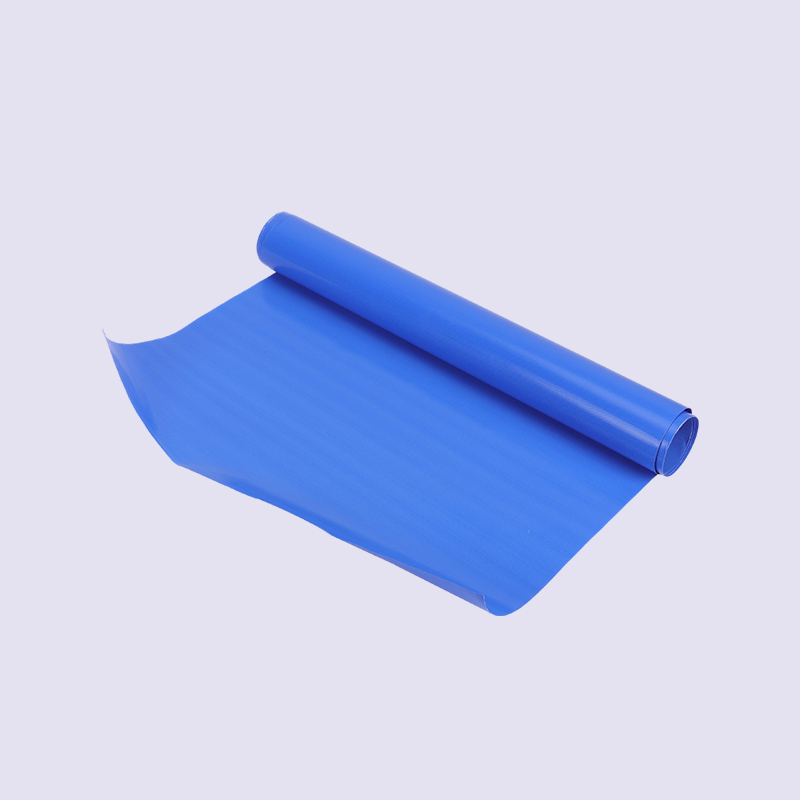
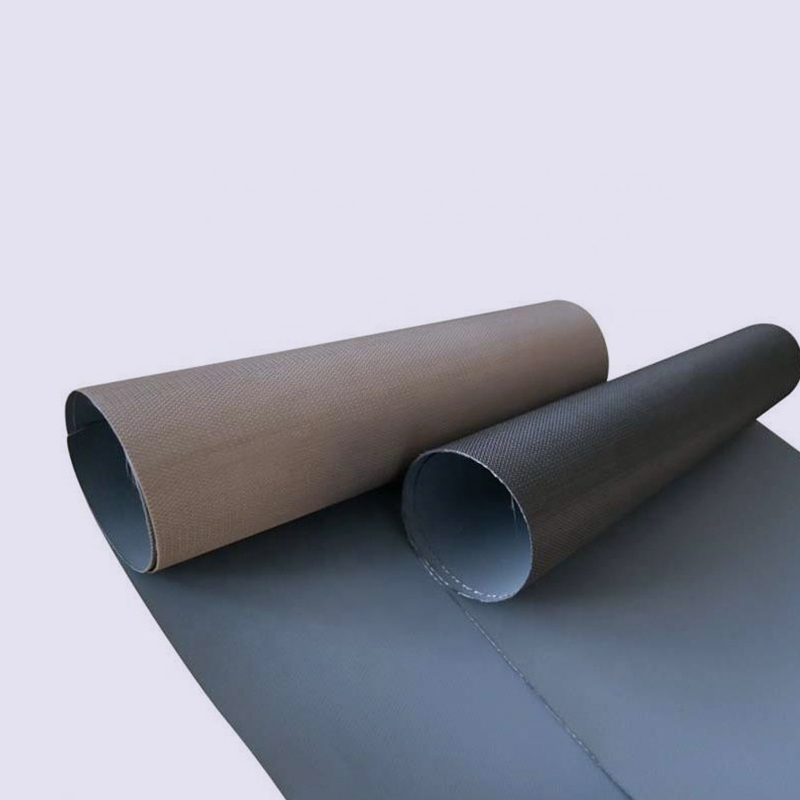
Silicone coated fiberglass fabric is produced by applying a layer of liquid silicone rubber onto a woven fiberglass base cloth, then curing the material to create a flexible, high-performance textile. The fiberglass core provides exceptional strength and dimensional stability, while the silicone coating adds resistance to heat, moisture, and abrasion that raw fiberglass alone cannot offer. This combination makes the material widely used across industries ranging from industrial insulation to fire protection curtains and expansion joints.
Because this material sits at the intersection of industrial performance and everyday practical applications, buyers frequently have questions about its safety, water resistance, and long-term durability before committing to a purchase or specifying it for a project. Understanding how each of these properties actually works in practice helps clarify where this fabric excels and where its limitations lie.
Is Silicone Coated Fiberglass Fabric Safe to Use
Safety concerns around fiberglass-based products often stem from the well-known irritant properties of raw, uncoated fiberglass, which can release fine particles that irritate skin and lungs when handled directly. However, once fiberglass cloth is coated with silicone, this risk is substantially reduced, as the silicone layer encapsulates the fiberglass fibers and prevents them from becoming airborne during normal handling and use.
Chemical Stability and Off-Gassing
Cured silicone rubber is chemically stable and does not readily off-gas harmful compounds under normal operating conditions, which is one reason it is widely used in food processing equipment, medical devices, and other applications requiring low chemical reactivity. This stability also contributes to the material's safety profile when used in enclosed industrial environments where air quality matters.
Cut Edge Handling
One important safety consideration involves cut or trimmed edges of the fabric, where the fiberglass core may become exposed even though the flat surfaces remain fully coated. Workers handling freshly cut silicone coated fiberglass should still wear basic protective gloves during installation to avoid minor skin irritation from exposed fiber edges, even though the overall material is considerably safer to handle than uncoated fiberglass cloth.
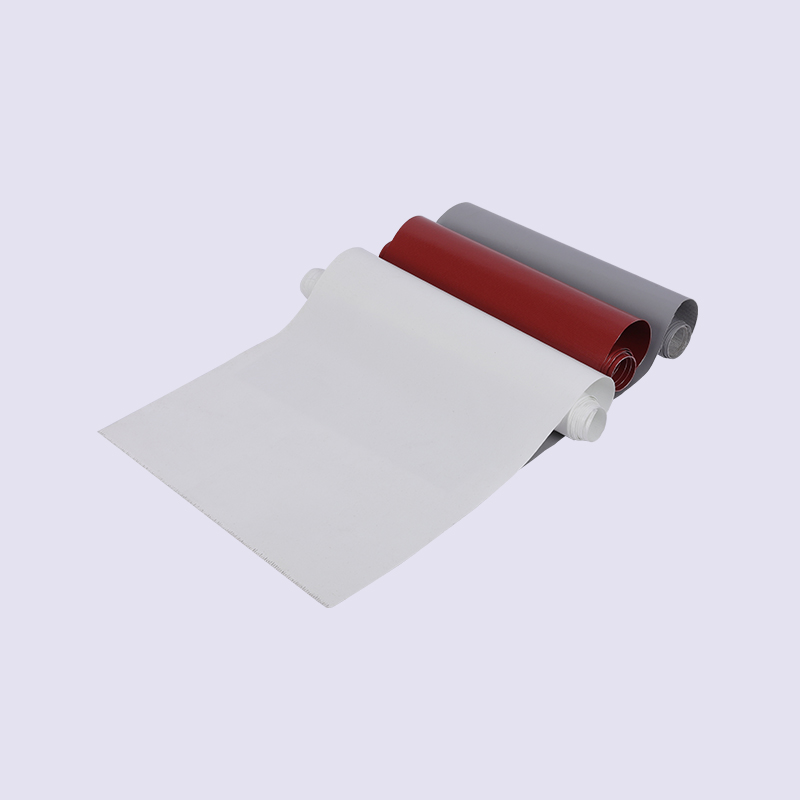
How Waterproof Is Silicone Coated Fiberglass Fabric
Silicone rubber is inherently hydrophobic, meaning it naturally repels water rather than absorbing it. When applied as a coating over fiberglass cloth in sufficient thickness and with proper curing, the resulting fabric becomes highly resistant to water penetration, making it suitable for outdoor covers, welding curtains, and applications where moisture exposure is a regular concern.
It is worth noting that the degree of waterproofing can vary depending on coating weight and the number of silicone layers applied during manufacturing. Fabrics with heavier silicone coating weights generally provide more reliable water resistance over the long term, while lighter coatings may still allow minor moisture penetration under sustained heavy rain or submersion conditions. Buyers requiring guaranteed waterproof performance for critical applications should confirm the specific coating weight and hydrostatic pressure rating with their supplier before finalizing a purchase.
Durability and Performance Under Stress
Durability is where silicone coated fiberglass fabric truly stands out compared to many alternative industrial textiles. The fiberglass core provides high tensile strength and resistance to stretching, while the silicone coating adds flexibility and resistance to cracking even after repeated folding or flexing over time.
Temperature Resistance
This fabric is particularly valued for its ability to withstand extreme temperature ranges, often performing reliably from well below freezing up to several hundred degrees Celsius, depending on the specific silicone formulation used. This wide temperature tolerance makes it a preferred material for welding blankets, furnace curtains, and thermal insulation jackets in industrial settings.
Abrasion and Tear Resistance
The combination of a durable fiberglass weave and a resilient silicone surface gives this fabric strong resistance to abrasion and tearing, even under repeated mechanical stress. This makes it well-suited for applications involving frequent movement or contact with rough surfaces, such as conveyor belt covers or protective wrapping for machinery.
Comparing Key Properties at a Glance
The table below summarizes the core performance characteristics of silicone coated fiberglass fabric to help buyers quickly assess its suitability for their intended application.
| Property | Performance Level | Typical Application |
| Water Resistance | High | Outdoor covers, curtains |
| Heat Resistance | Very High | Welding blankets, furnace insulation |
| Chemical Stability | High | Food and industrial equipment |
| Abrasion Resistance | High | Conveyor covers, protective wraps |
Common Applications Where This Fabric Excels
Given its unique combination of properties, silicone coated fiberglass fabric is used across a wide range of industrial and commercial settings.
- Welding blankets and curtains that protect workers and surrounding areas from sparks and heat.
- Fire-resistant barriers used in industrial facilities to contain heat and slow flame spread.
- Expansion joint fabrics in ductwork systems requiring flexibility under high temperatures.
- Protective covers for outdoor machinery exposed to rain and temperature fluctuations.
- Thermal insulation jackets for pipes and valves in high-heat industrial environments.
Maintenance Tips for Extending Fabric Lifespan
Proper care can significantly extend the service life of silicone coated fiberglass fabric, particularly in demanding industrial environments. Regular inspection for surface cracking or coating wear helps identify potential failure points before they compromise water or heat resistance. Cleaning with mild soap and water, rather than harsh solvents, helps preserve the integrity of the silicone coating over repeated use cycles.
When storing unused fabric, keeping it away from direct sunlight and extreme temperature fluctuations helps prevent premature degradation of the silicone layer, ensuring the material remains ready for reliable performance whenever it is needed for installation or replacement in ongoing industrial applications.
PREV: How Does High Temperature Teflon Tape Perform in Extreme Industrial Conditions? It is the last article


Copyright © Jiangsu Bocheng New Tech Materials Co., Ltd. All Rights Reserved. Silicone PTFE Composite Material Solutions
