
 Language
  English
 Español
How Does High Temperature Teflon Tape Perform in Extreme Industrial Conditions?
News-What Is High Temperature Teflon Tape
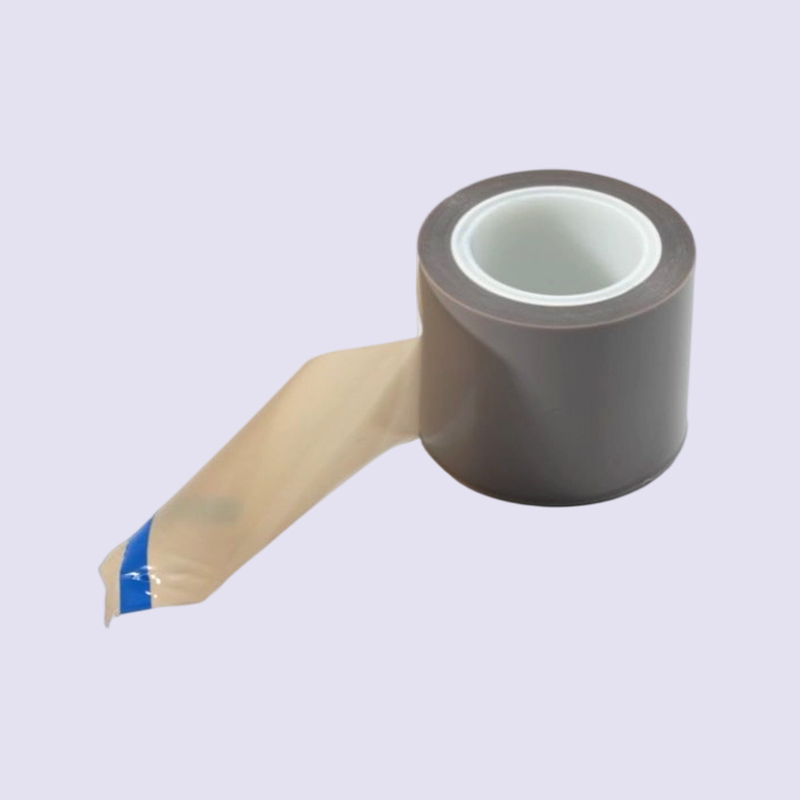
High temperature Teflon tape is a specialized adhesive or non-adhesive film made from PTFE, or polytetrafluoroethylene, engineered to withstand extreme heat conditions without melting, degrading, or releasing harmful fumes. Unlike standard plumbing-grade PTFE thread seal tape, high temperature Teflon tape is typically manufactured with a heat-resistant silicone adhesive backing and is used across industrial, electrical, and manufacturing applications where surfaces are regularly exposed to temperatures that would compromise ordinary tapes or sealants. This specialized formulation allows the tape to maintain its integrity and function in environments ranging from packaging machinery to electronics manufacturing.
The unique molecular structure of PTFE gives this tape exceptional thermal stability, chemical inertness, and a low coefficient of friction, making it valuable not only for heat resistance but also for applications requiring non-stick or electrically insulating properties. These combined characteristics have made high temperature Teflon tape a staple material across numerous demanding industrial processes worldwide.
Key Properties That Define Performance
Several core physical and chemical properties explain why high temperature Teflon tape performs reliably under conditions that would cause conventional tapes to fail:
- Thermal resistance typically ranging from negative 70 degrees Celsius up to 260 degrees Celsius or higher, depending on formulation
- Excellent chemical resistance to solvents, acids, and most industrial cleaning agents
- Low surface friction, providing natural non-stick and anti-friction properties
- Strong dielectric strength, making it suitable for electrical insulation applications
- Resistance to UV degradation and prolonged exposure to sunlight
These properties work together to make the tape suitable for demanding environments where standard adhesive tapes would soften, discolor, or lose their bonding strength under sustained heat exposure.
How High Temperature Teflon Tape Is Manufactured
Production begins with PTFE resin being processed into a thin film through a skiving or casting method, both of which create a consistent, uniform sheet suitable for further processing. Skiving involves shaving thin layers from a solid PTFE billet, while casting involves forming the resin into film directly from a liquid dispersion, with each method offering slightly different thickness tolerances and surface characteristics.
Once the PTFE film is formed, a heat-resistant adhesive, most commonly silicone-based, is applied to one side using precision coating equipment. This adhesive layer must be carefully formulated to maintain its bonding strength at elevated temperatures without becoming brittle or losing tack over repeated thermal cycling. The finished tape is then slit into rolls of various widths to accommodate different application needs.
Common Applications Across Industries
High temperature Teflon tape serves a wide range of functions across industrial and manufacturing settings where heat resistance and reliable performance are critical:
- Masking components during powder coating and painting processes that involve baking or curing ovens
- Wrapping heat sealing bars in packaging machinery to prevent film sticking
- Insulating electrical wiring and components in high-heat industrial environments
- Protecting molds and equipment surfaces during plastic and rubber manufacturing
- Providing non-stick surfaces on conveyor systems in food processing facilities
Each of these applications relies on the tape's ability to maintain both its physical form and adhesive properties under conditions that combine high temperatures with mechanical stress or repeated thermal cycling.
Comparing Common Thickness Options
Tape thickness affects flexibility, durability, and suitability for specific applications. The table below outlines typical thickness ranges and their common uses.
ThicknessCharacteristicTypical Application1-2 milHighly flexible, conforms to curved surfacesWire wrapping, small component insulation3-5 milBalanced flexibility and durabilityHeat sealer bars, general masking7-10 milHigher abrasion resistanceConveyor surfaces, mold protection
Selecting the correct thickness depends on the level of flexibility required for the application surface and the amount of mechanical wear the tape is expected to endure over its service life.
Factors to Consider Before Purchasing
Maximum Operating Temperature
Not all high temperature Teflon tapes are rated for the same maximum heat exposure. Buyers should confirm the specific temperature rating of a given product against the actual operating conditions of their application, since exceeding the rated limit can cause adhesive failure even if the PTFE film itself remains structurally intact.
Adhesive Type and Bond Strength
Silicone adhesives generally offer the best balance of heat resistance and bonding strength, but different formulations vary in tack level and removability. Applications requiring temporary masking during a coating or curing process may benefit from a lower-tack adhesive that allows clean removal without leaving residue.
Width and Roll Length
Selecting the appropriate width minimizes material waste and reduces the need for overlapping strips, which can create uneven surfaces on sealing bars or masked components. Roll length should also be matched to production volume to avoid frequent interruptions for tape changes during continuous manufacturing runs.
Proper Application Techniques
Before applying high temperature Teflon tape, surfaces should be thoroughly cleaned and dried to remove dust, oil, or residue that could compromise adhesion. Applying the tape smoothly and avoiding trapped air bubbles helps ensure even heat distribution and prevents premature lifting at the edges during thermal cycling.
For applications involving curved or irregular surfaces, stretching the tape slightly during application can help it conform more closely to the contour, reducing the likelihood of wrinkles or gaps that could allow heat or moisture to penetrate underneath the tape layer.
Storage and Shelf Life Considerations
Proper storage helps preserve the adhesive performance of high temperature Teflon tape before use. Rolls should be kept in a cool, dry location away from direct sunlight, since prolonged UV exposure or excessive humidity can gradually degrade adhesive tack even before the tape is applied to a surface. Most manufacturers recommend using the tape within one to two years of purchase for optimal adhesive performance, though the PTFE film itself remains stable for significantly longer periods when stored correctly.
Checking the manufacturing date and any listed shelf life information on the packaging before use, particularly for tape that has been stored for an extended period, helps ensure consistent adhesion performance in critical industrial applications.
PREV: Why Is PTFE Anti-Static Fabric the Material of Choice for High-Performance UPVC Window Manufacturing? It is the last article


Copyright © Jiangsu Bocheng New Tech Materials Co., Ltd. All Rights Reserved. Silicone PTFE Composite Material Solutions
