
 Language
  English
 Español
PTFE Fiberglass Fabric: Efficient Alternative for Composite Manufacturing
News-What Is PTFE Fiberglass Fabric?
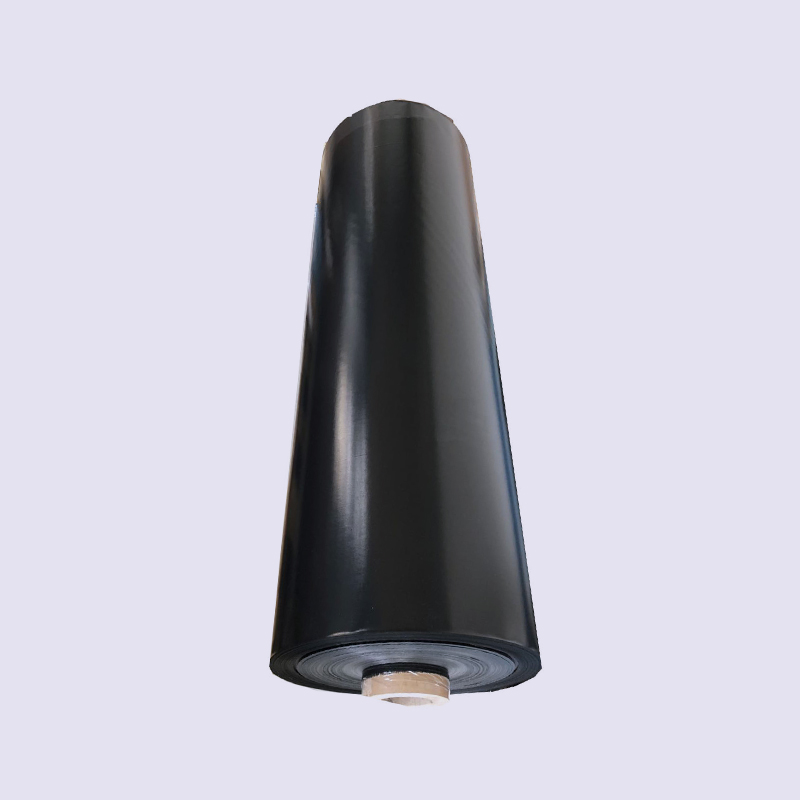
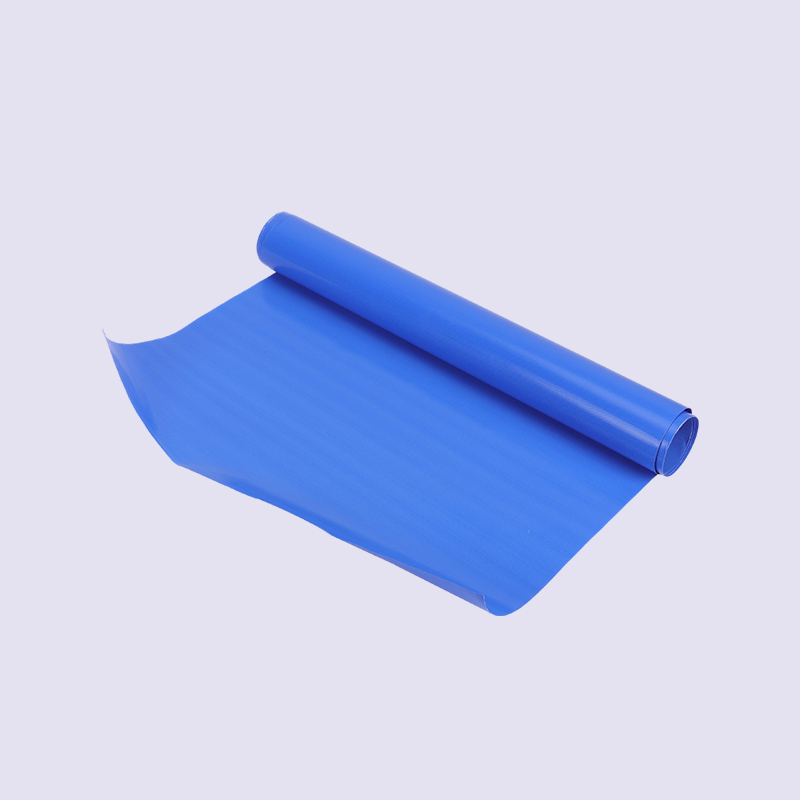
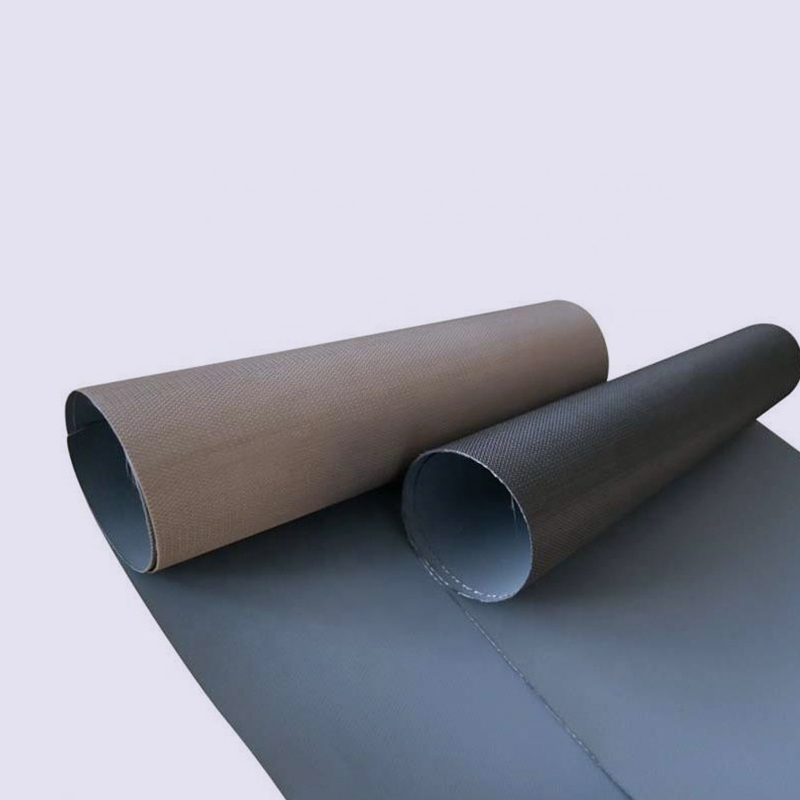
PTFE fiberglass fabric is a composite material made by coating or impregnating woven fiberglass cloth with polytetrafluoroethylene (PTFE), commonly known by the brand name Teflon. The resulting material combines the mechanical strength and dimensional stability of fiberglass with the exceptional chemical resistance, non-stick surface, and thermal properties of PTFE. The fabric is typically available in various thicknesses—from 0.08 mm to over 1.0 mm—and can be produced in open-mesh or solid-weave configurations depending on the application. It is widely used across industries including aerospace, food processing, electronics, and increasingly, composite manufacturing, where performance under demanding conditions is non-negotiable.
The unique molecular structure of PTFE gives the fabric its hallmark low friction coefficient and near-zero moisture absorption, while the fiberglass substrate contributes tensile strength and resistance to tearing. Together, these properties make PTFE fiberglass fabric one of the most technically versatile release and process materials available on the market today.
Key Properties That Make It Suitable for Composite Manufacturing
Composite manufacturing involves high-temperature curing cycles, aggressive resins, and repeated processing—conditions that quickly degrade conventional release films or peel plies. PTFE fiberglass fabric addresses these challenges through a combination of material properties that are directly relevant to the demands of composite layup and curing:
- Temperature resistance: PTFE fiberglass fabric can withstand continuous operating temperatures from -70°C to +260°C, making it compatible with autoclave and oven curing processes used in advanced composite production.
- Non-stick surface: The PTFE coating ensures that cured resins—including epoxy, bismaleimide, and phenolic systems—release cleanly from the fabric without the need for external mold release agents.
- Chemical inertness: PTFE does not react with most industrial chemicals, solvents, or resin systems, preventing contamination of the composite part and maintaining process integrity.
- Dimensional stability: The fiberglass base prevents elongation or distortion under vacuum pressure or elevated temperature, ensuring that the fabric maintains its geometry throughout the cure cycle.
- Reusability: Unlike single-use peel plies or release films, PTFE fiberglass fabric is robust enough to be cleaned and reused hundreds of times, significantly reducing per-part material costs.
How PTFE Fiberglass Fabric Is Used in the Composite Process
In composite manufacturing, PTFE fiberglass fabric plays several functional roles depending on where it is placed in the layup stack and what outcome is desired. Understanding these roles helps engineers and process designers select the right material configuration and weight for their specific application.
Release Layer Between Part and Tool
The most common use is as a release layer placed directly on the tool surface or mold before the composite prepreg or wet layup is applied. The PTFE fabric prevents the resin from bonding to the mold, enabling clean demolding without mechanical prying or chemical release agents. This is particularly useful in complex geometry tooling where liquid release agents can pool and affect surface finish.
Breather and Bleeder Support
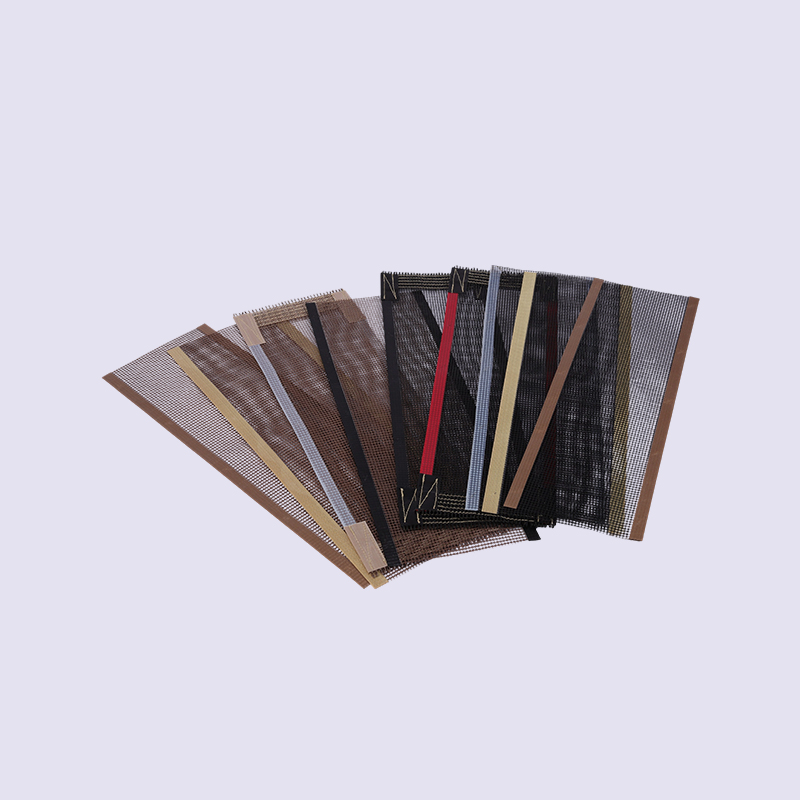
Open-weave PTFE fiberglass fabrics are used as breather or bleeder layers within the vacuum bag assembly. The open mesh structure allows gases and excess resin to migrate through during the cure while the PTFE surface prevents the breather layer from bonding to the composite laminate. This function is critical in vacuum infusion and resin transfer molding processes where resin flow and air evacuation must be precisely controlled.
Caul Sheet Facing and Pressure Distribution
PTFE fiberglass fabric is frequently laminated to the face of aluminum or composite caul sheets to provide a smooth, non-stick surface. The caul sheet distributes consolidation pressure evenly across the part during cure, and the PTFE facing ensures the caul releases cleanly from the finished laminate surface. This technique is widely used in producing aerospace-grade flat panels and structural skins.
Comparing PTFE Fiberglass Fabric to Alternative Process Materials
To appreciate the practical value of PTFE fiberglass fabric, it is useful to compare it directly with the alternatives most commonly used in composite manufacturing environments:
| Material | Max Temp | Reusable | Non-Stick | Cost Per Use |
| PTFE Fiberglass Fabric | 260°C | Yes (100–500+ uses) | Excellent | Very Low |
| Nylon Peel Ply | 180°C | No | Moderate | High (single-use) |
| Silicone Release Film | 200°C | Limited | Good | Medium |
| FEP Release Film | 200°C | No | Very Good | High (single-use) |
The data clearly illustrates that PTFE fiberglass fabric provides superior temperature tolerance and the lowest cost per use over time, making it the most economical and technically capable option for high-volume or high-temperature composite production environments.
Selecting the Right Specification for Your Application
Not all PTFE fiberglass fabrics are the same, and choosing the correct specification is critical to achieving the desired process outcome. Several parameters must be evaluated when selecting a product:
- Fabric weight and thickness: Lighter fabrics (under 0.15 mm) are better suited for close-contoured surfaces and fine surface finish applications. Heavier fabrics (0.3 mm and above) provide greater durability and are preferred where mechanical handling or repeated insertion into tooling is required.
- PTFE coating level: Higher PTFE content (typically expressed as percentage by weight) improves non-stick performance and chemical resistance but can slightly reduce the fabric's tear strength. Standard coatings range from 40% to 70% PTFE by weight.
- Weave type: Plain weave provides a smoother surface finish on the composite part, while satin weave offers better drapability over complex curvatures. Open mesh variants are used exclusively for breather or flow media functions.
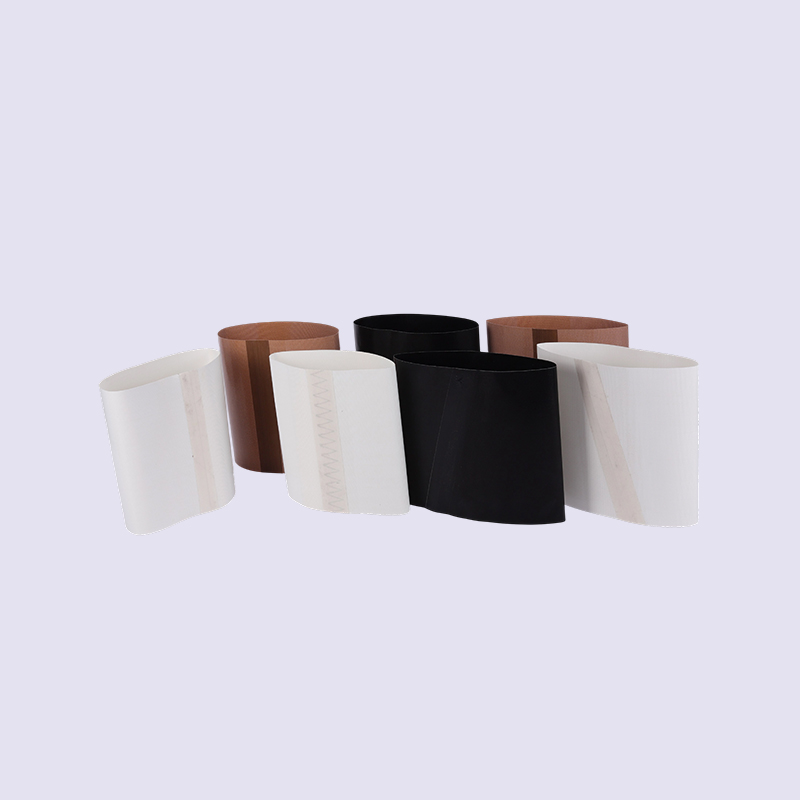
- Color and opacity: Standard PTFE fiberglass fabric is white or off-white, but black versions are available for applications where visual contrast against light-colored prepregs is needed to detect foreign object debris (FOD).
Maintenance and Lifespan in Production Environments
One of the most significant practical advantages of PTFE fiberglass fabric over disposable alternatives is its long service life, but this requires proper handling and maintenance. After each cure cycle, the fabric should be inspected for resin buildup, tears, or delamination of the PTFE coating. Light resin residue can typically be removed by wiping with a clean cloth and an appropriate solvent such as acetone or MEK, though care must be taken not to soak the fabric as this can lead to solvent entrapment in the fiberglass substrate.
Fabrics showing signs of coating degradation—evidenced by increased surface tack or discoloration—should be retired from service. On average, a well-maintained PTFE fiberglass fabric used in standard autoclave processing at 180°C will provide between 200 and 500 reuse cycles before replacement is warranted. For lower-temperature applications such as room-temperature cure systems, service life can extend considerably longer.
Environmental and Economic Benefits Over Disposable Alternatives
The shift toward PTFE fiberglass fabric in composite manufacturing is not driven solely by performance. Environmental sustainability is an increasingly important factor in materials procurement decisions. Disposable peel plies and release films generate significant waste in high-volume production environments—some aerospace facilities consume thousands of square meters of single-use release materials per month. Switching to reusable PTFE fiberglass fabric directly reduces this waste stream.
From an economic standpoint, the initial investment in PTFE fiberglass fabric is higher than a roll of nylon peel ply, but the total cost of ownership over a production run of several hundred parts is substantially lower. When factoring in labor costs for material handling, disposal fees, and inventory management, the financial case for PTFE fiberglass fabric becomes compelling for any facility producing more than a few dozen composite parts per month. The combination of environmental benefit and cost efficiency is one of the strongest arguments for making PTFE fiberglass fabric the default process material in modern composite manufacturing operations.


Copyright © Jiangsu Bocheng New Tech Materials Co., Ltd. All Rights Reserved. Silicone PTFE Composite Material Solutions
