
 Language
  English
 Español
How To Choose The Right PTFE Coated Fiberglass Fabric For My Application?
News-Understanding PTFE Coated Fiberglass Fabric
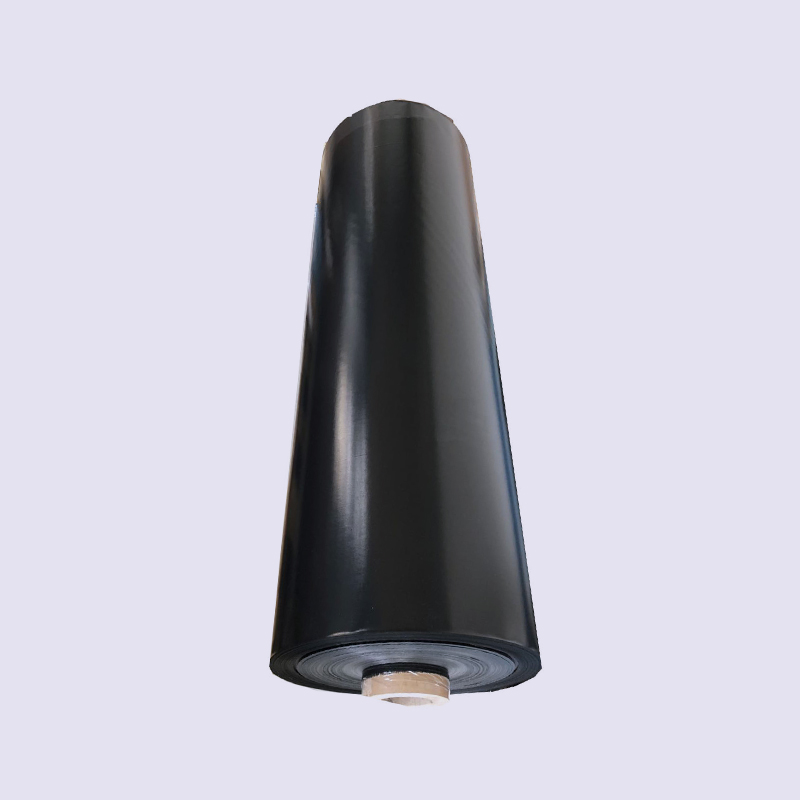
PTFE coated fiberglass fabric combines a woven fiberglass base with a polytetrafluoroethylene (PTFE) coating, resulting in a material that offers exceptional heat resistance, chemical inertness, and non-stick properties. The fiberglass core provides strength and dimensional stability, while the PTFE coating adds resistance to temperature extremes, moisture, UV exposure, and most chemicals. This combination makes it a go-to material for industries that need a fabric capable of performing reliably in demanding environments, from industrial ovens to outdoor architectural structures.
Because PTFE coated fiberglass fabric comes in a wide range of thicknesses, coating weights, and finishes, choosing the right one requires understanding how each variable affects performance in a specific application. Selecting the wrong specification can lead to premature wear, reduced heat resistance, or unnecessary added cost, so it's worth walking through the key decision points before making a purchase.
Key Factors to Consider Before Choosing a Fabric
Several core factors determine whether a particular PTFE coated fiberglass fabric will perform well in a given setting. Reviewing each of these before purchasing helps narrow down the right product from the many options available.
Operating Temperature Range
PTFE coated fiberglass fabrics typically handle continuous temperatures from -73°C up to 260°C, with some heavy-duty variants rated for brief exposure up to 315°C. Applications like heat sealing bars, industrial oven belts, or high-temperature curtains require confirming both the continuous and peak temperature the fabric will be exposed to, since exceeding rated limits can degrade the PTFE coating and shorten the fabric's service life.
Fabric Thickness and Coating Weight
Thickness generally ranges from about 0.08mm for lightweight release fabrics to over 1mm for heavy-duty structural or conveyor belt applications. Thicker fabrics offer greater durability and puncture resistance but are less flexible, making them harder to fold or wrap around tight radii. Lighter fabrics are more pliable, which suits applications like packaging seals or draping over curved surfaces.
Chemical and Environmental Exposure
PTFE coatings resist nearly all industrial chemicals, solvents, and acids, but the underlying fiberglass weave can still be vulnerable if the coating is scratched or punctured. For applications involving abrasive contact or repeated flexing, choosing a fabric with a thicker or double-sided coating helps protect the fiberglass core from exposure over time.
Comparing Common PTFE Fabric Types by Application
The table below outlines typical fabric specifications matched to common use cases, which can serve as a starting point when narrowing down options.
| Application | Recommended Thickness | Key Property Needed |
| Heat Sealing Bars | 0.08mm–0.13mm | Flexibility, release surface |
| Conveyor Belts | 0.25mm–0.75mm | Durability, abrasion resistance |
| Welding Curtains | 0.25mm–0.4mm | Heat and spark resistance |
| Architectural Structures | 0.45mm–1mm | UV resistance, structural strength |
| Expansion Joints | 0.5mm–1mm | High-temperature durability |
Coating Type: Single-Sided vs Double-Sided
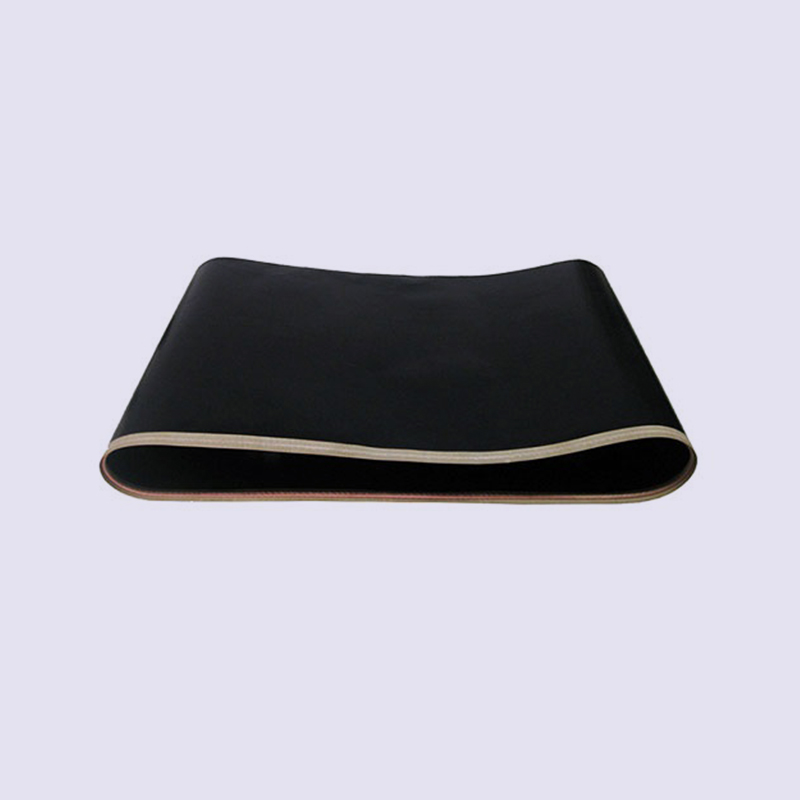
PTFE coated fiberglass fabric is available with coating applied to one or both sides of the fiberglass weave. Single-sided coated fabric leaves one surface of exposed fiberglass, which can be useful in applications where the fabric needs to grip or bond to another surface, such as certain adhesive tape backings. Double-sided coated fabric provides full protection and a consistent non-stick surface on both faces, making it the preferred choice for applications where both sides of the fabric may come into contact with materials, equipment, or the environment, such as conveyor belts or oven liners.
Color and Surface Finish Options
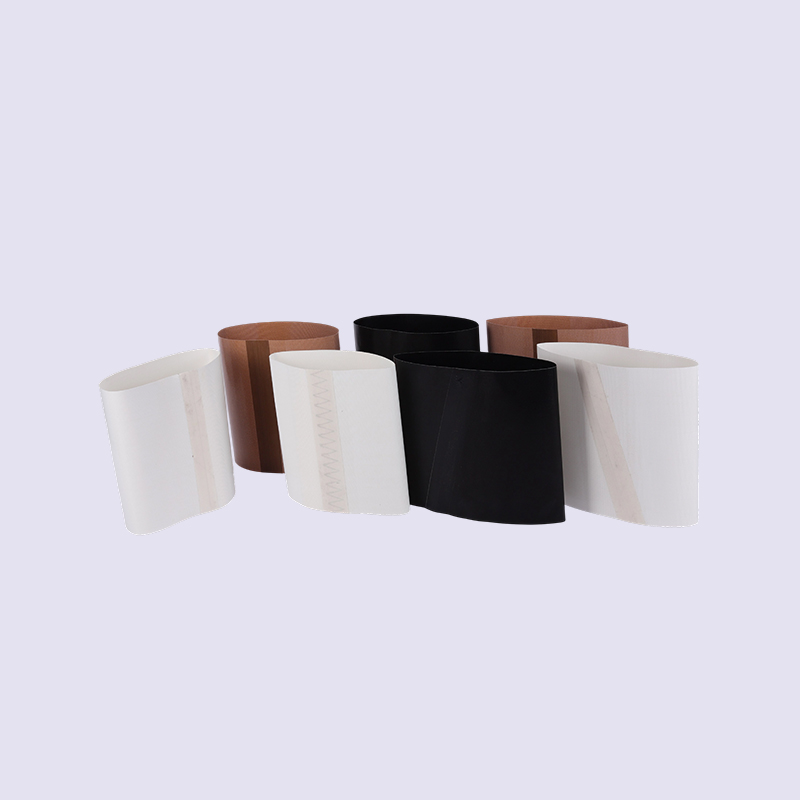
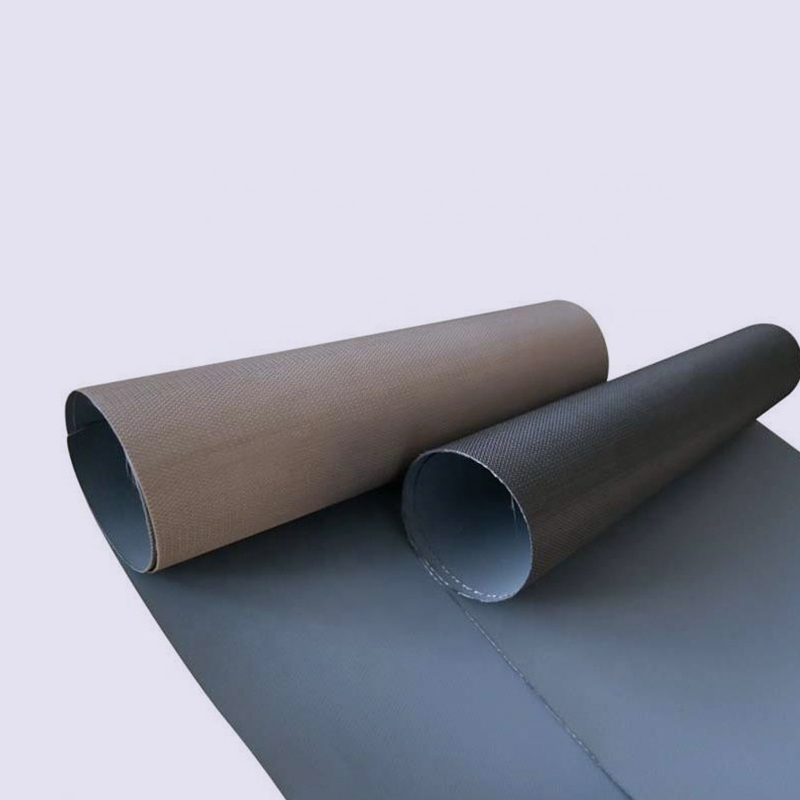
While natural PTFE coated fiberglass fabric typically appears in shades of brown, tan, or black depending on the fiberglass grade and coating process, some suppliers offer additional finish options for specific needs.
- Natural tan or brown: standard finish, most economical and widely available
- Black: often used where a darker, more industrial appearance is preferred
- FDA-compliant white or beige: used in food processing applications requiring food-contact safety certification
- Antistatic coating: added for environments where static buildup poses a safety or product-quality risk
For food processing or pharmaceutical applications, always confirm the fabric carries appropriate food-contact certification, since not all PTFE coated fiberglass products are manufactured to those standards.
Matching Fabric Specifications to Industry Needs
Different industries tend to gravitate toward specific combinations of thickness, coating type, and finish based on their operating conditions. Food packaging and heat sealing operations generally prioritize thin, flexible fabrics that release easily from adhesives and films. Industrial manufacturing settings, such as powder coating ovens or laminating presses, typically require mid-weight fabrics that balance flexibility with resistance to repeated thermal cycling. Heavy industrial and architectural applications, including tensile structures and expansion joints, call for the thickest and most durable fabrics available, since these are expected to remain in place for years under continuous environmental stress.
Before finalizing a purchase, it helps to provide the supplier with specific details about the intended use, including expected temperature exposure, chemical contact, mechanical stress, and whether the fabric needs any special certifications. This allows the supplier to recommend a precise specification rather than a generic option, reducing the risk of premature failure and unnecessary replacement costs.
Maintenance Tips to Extend Fabric Lifespan
Even durable PTFE coated fiberglass fabric benefits from routine care. Regularly wiping down surfaces to remove debris and residue prevents buildup that could compromise the release properties of the coating. Avoiding sharp tools or abrasive cleaning methods protects the coating from scratches that could expose the underlying fiberglass. For fabrics used in high-flex applications, periodically inspecting fold lines and seams for signs of cracking helps catch wear early before it leads to fabric failure, allowing for timely replacement and avoiding unplanned downtime.
PREV: Silicone Coated Fiberglass Fabric: Safety, Waterproofing, and Durability It is the last article


Copyright © Jiangsu Bocheng New Tech Materials Co., Ltd. All Rights Reserved. Silicone PTFE Composite Material Solutions
